Lithium-ion batteries are great, if you can get them. And if you don't mind the price roller coaster. For years, the battery world has been searching for a worthy successor, something cheaper, more abundant, and less geopolitically fraught. Enter sodium-ion batteries, which just got a major glow-up.
Turns out, these salty power packs are now charging so consistently and quickly, they're giving lithium a real run for its money. New research suggests they might be ready for prime time sooner than anyone expected. Because apparently, we're all tired of relying on a handful of countries for our EV dreams and energy storage grids.
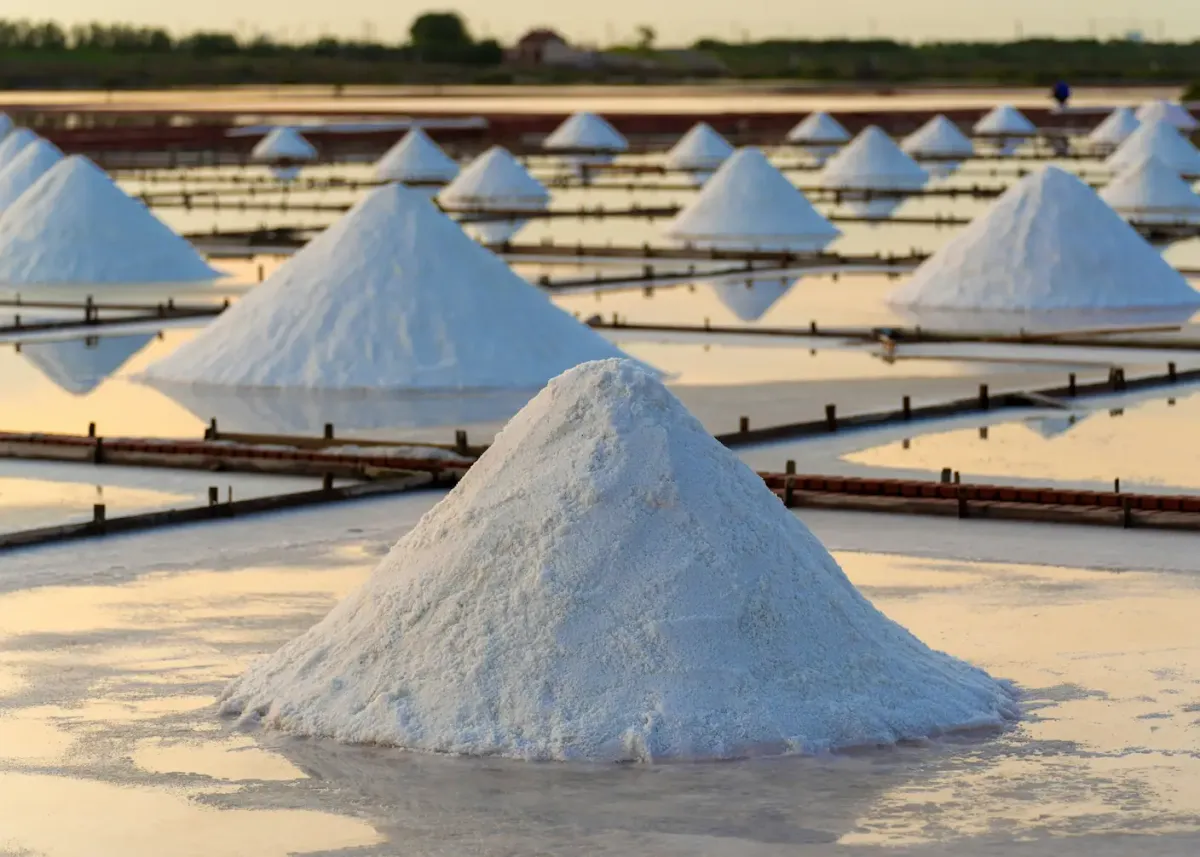
The Rise of the Salt Battery
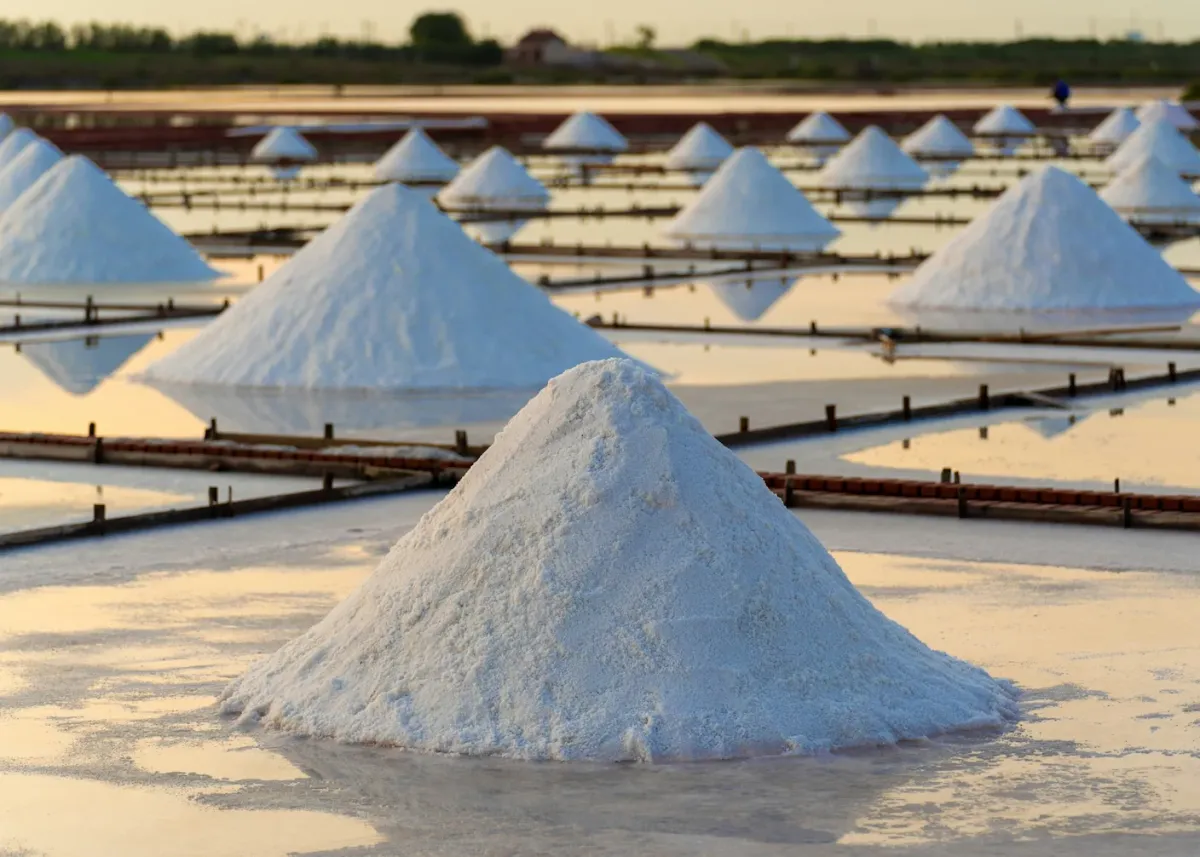
While lithium has dominated, its volatile prices and concentrated supply chains (mostly Australia, Chile, and China for processing) have left a bad taste. Sodium, on the other hand, is everywhere. Like, literally everywhere. The catch has always been performance.
We're a new kind of news feed.
Regular news is designed to drain you. We're a non-profit built to restore you. Every story we publish is scored for impact, progress, and hope.
Start Your News DetoxBut Chinese companies have been quietly (or not so quietly) making moves. A new study by German scientists, published in Cell Reports Physical Science, took a deep dive into cells made by Chinese company HiNa. The verdict? They stack up favorably against the lithium-ion batteries found in, say, a Tesla.
Moritz Schütte, a battery researcher and co-leader of the study, noted these cells are perfect for things like stationary energy storage, grid services, or commercial vehicles that don't need to cross continents on a single charge. For these uses, cost and accessibility beat maximum range every time.
To prove their point, researchers put 120 individual HiNa sodium-ion cells through the wringer. They zapped them with currents, tested them in temperatures ranging from -4 to 113 degrees Fahrenheit, and even X-rayed their insides. Because science.
The results were genuinely impressive: resistance across all 120 cells varied by a mere 5.3 percent. That kind of consistency signals a mature production process, matching what you'd see in established lithium-ion lines. Even better, they held their full capacity with fast charging – we're talking a full battery in just 15 minutes.
Cold weather is still a bit of a party pooper. While the HiNa battery kept over 80 percent of its charge at -4 degrees Fahrenheit if charged at room temp, that dropped to 56 percent if both charging and discharging happened in the deep freeze. So, maybe don't plan on quick-charging your sodium-powered snowmobile in an arctic blizzard just yet.
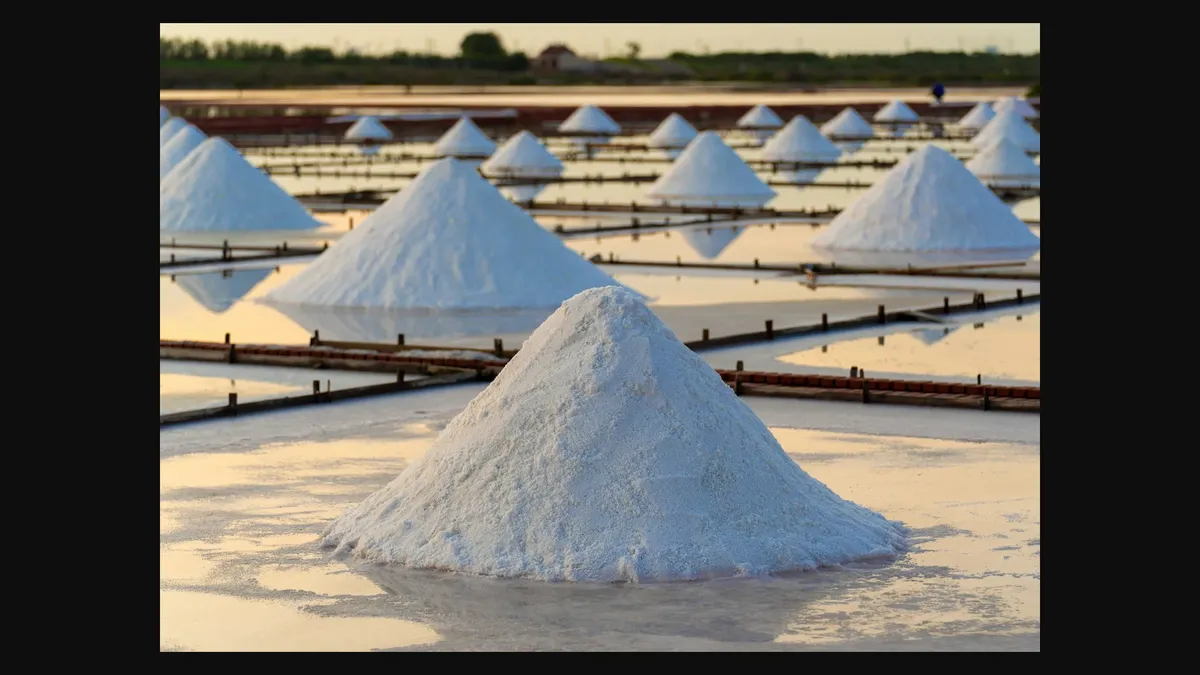
Still, the industry is already on the move. Chinese automaker Changan Automobile is selling the Nevo A06, powered by a sodium-ion battery from CATL, the world's biggest battery maker. CATL's chief technology officer recently declared that mass production of sodium-ion cells starts this quarter. His exact words? "The era of sodium and lithium shining together has arrived."
To put it in perspective, a sodium-ion SUV might get you about 215 miles on a charge, compared to 250-370 for lithium. Less, sure, but 215 miles plus 15-minute charging? That's a game-changer for many drivers. The future of batteries might just be a lot saltier, and a lot more available, than we thought.