South Africa has joined 33 other nations in endorsing the Declaration to Triple Nuclear Energy Capacity by 2050. This nonbinding pledge was made during the 2023 United Nations climate summit in Dubai.
Tsakane Khambane, a spokesperson for South Africa’s Ministry of Electricity and Energy, called this a "significant moment." She noted it shows a commitment to energy security, wider energy access, and climate goals.
Nuclear Power for South Africa's Future
The announcement came at the Africa Energy Indaba in Cape Town on March 5. There, Electricity and Energy Minister Kgosientsho Ramokgopa stated that nuclear power is a "structural necessity" for South Africa's future energy mix.
We're a new kind of news feed.
Regular news is designed to drain you. We're a non-profit built to restore you. Every story we publish is scored for impact, progress, and hope.
Start Your News DetoxRamokgopa highlighted a major challenge for African countries: getting fair financing for nuclear expansion. He said international lenders and supplier countries need to offer financing structures that fit Africa's development needs. If the world wants to triple nuclear capacity, Africa must be a key part of that plan.
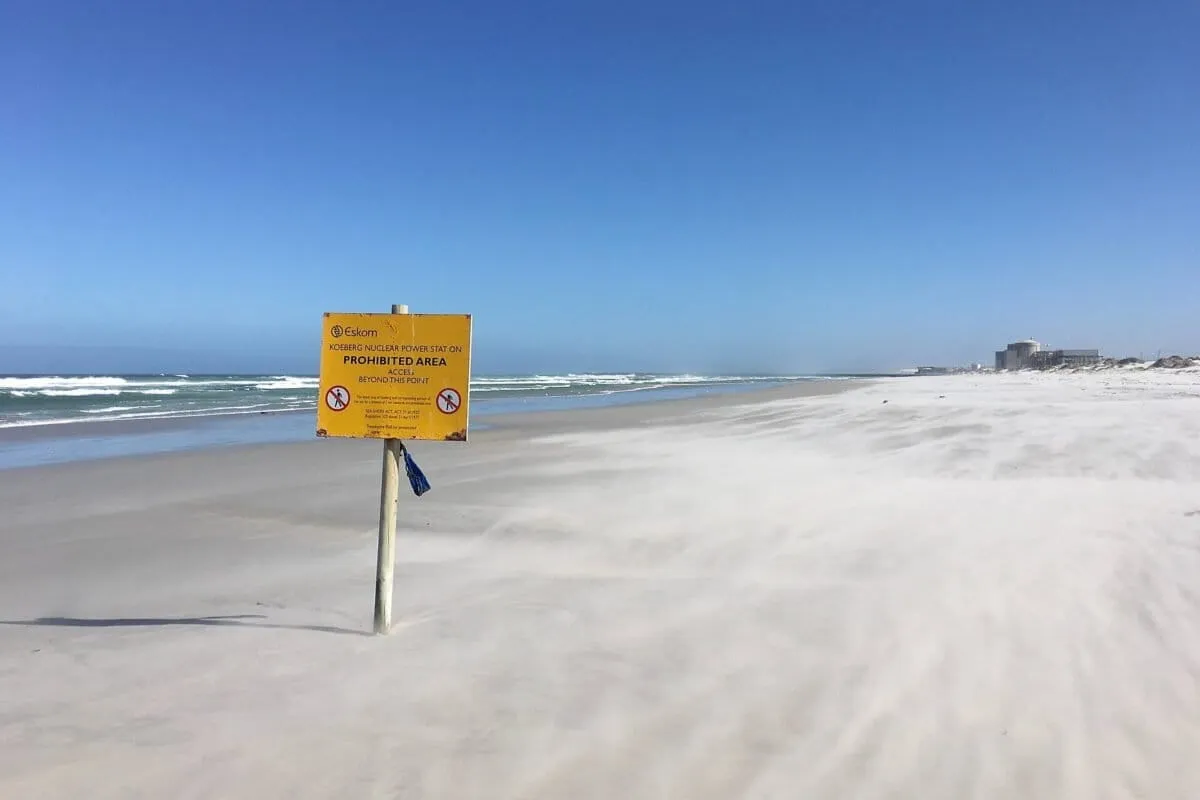
Currently, over 80% of South Africa's electricity comes from coal, a major contributor to climate change. Renewable sources like wind, solar, and hydro provide about 10%. Nuclear power, mainly from the Koeberg plant, makes up about 4% of the country's electricity.
South Africa aims for a diverse energy mix, including coal, nuclear, renewables, and hydropower. The government expects renewables and nuclear energy to grow significantly in the coming decades.
Addressing Energy Challenges
Years of rolling blackouts have resulted from growing demand and an unreliable electricity supply. As the government pushes for economic growth and a gradual shift away from coal, experts warn of future supply-demand imbalances.
Officials are working on solutions. Last year, at a press briefing on the Integrated Resource Plan 2025, Ramokgopa announced plans to build an additional 5,200 megawatts of nuclear capacity. This would be on top of the 1,800 megawatts currently produced.
Adding this much nuclear capacity will require huge investments. Chris Yelland, an energy expert in South Africa, doubts the government can secure the necessary financing. He also questioned the value of investing in nuclear power.
Yelland explained that flexible power generation is needed to quickly adjust to the changing output of renewable energy. He noted that nuclear power is not flexible.
Public and Legal Opposition
South African civil society groups also have concerns. Three organizations have filed a High Court challenge against a proposed nuclear site at Duynefontein. They argue the environmental assessment used outdated data and did not properly consider alternatives like wind and solar.
This legal challenge could delay the government’s plans for new nuclear capacity, which are set for completion by 2039.