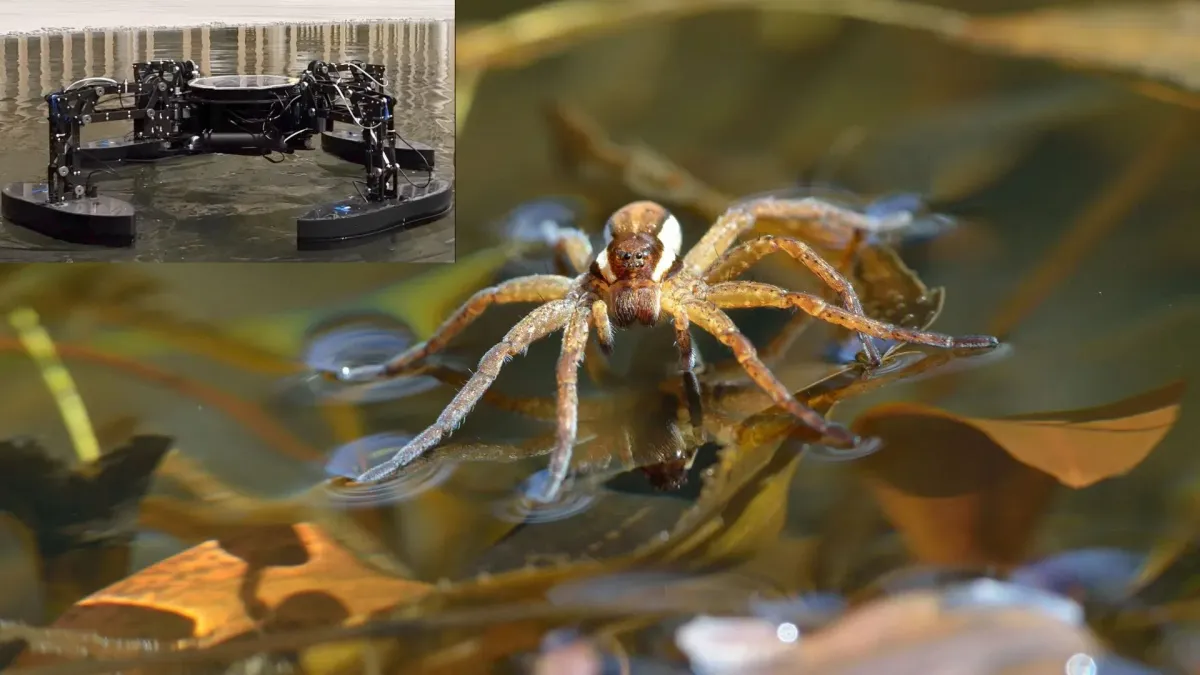
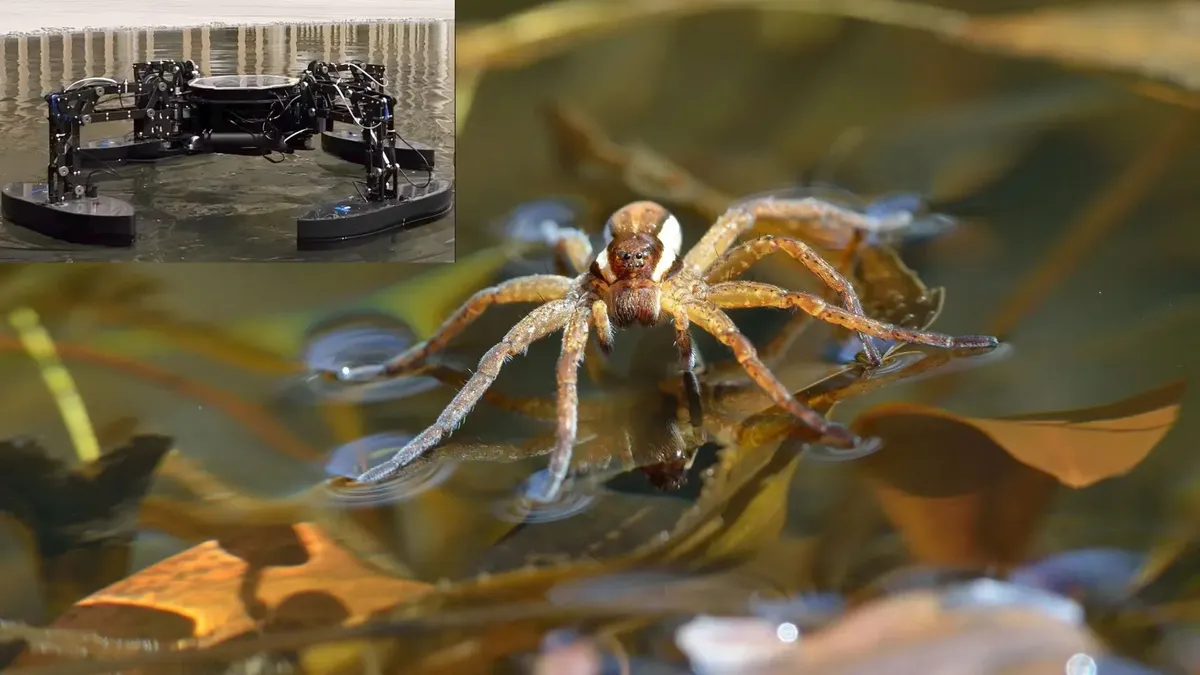
A new four-legged robotic boat, inspired by fishing spiders, could help rescue people from drowning. This robot, called QuadBoat, tracks and retrieves victims directly from the water.
Researchers at the Shenzhen Institute of Artificial Intelligence and Robotics for Society (AIRS) in China and Stevens Institute of Technology in the US developed the robot.
How QuadBoat Works
Most unmanned surface vehicles (USVs) used in search-and-rescue missions only locate or approach people in distress. QuadBoat goes further by physically pulling targets from the water.
We're a new kind of news feed.
Regular news is designed to drain you. We're a non-profit built to restore you. Every story we publish is scored for impact, progress, and hope.
Start Your News DetoxThe robot has a central body and four legs that move independently. Its design mimics fishing spiders, which use their long, water-repellent legs to move across calm water.
Unlike fishing spiders, QuadBoat doesn't rely on surface tension to float. Instead, it uses buoyancy. Its four legs provide movement and steering.
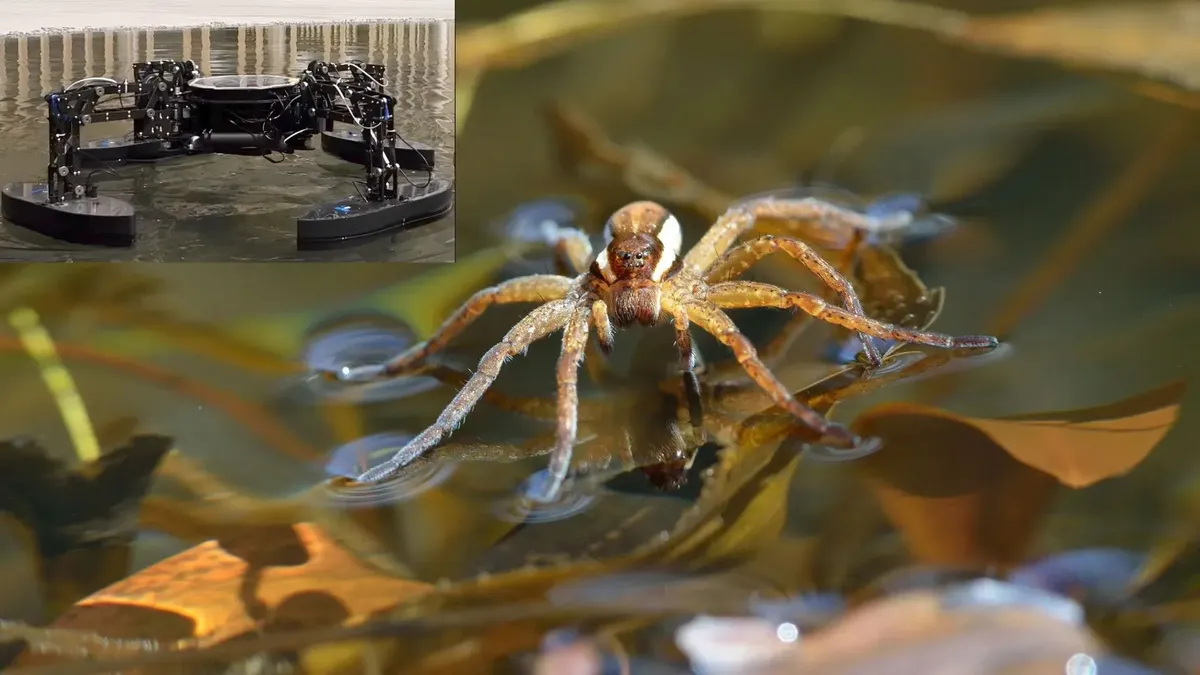
An inverse kinematics controller helps the legs move together. This allows the robot to change its position and move in different directions. The researchers also created control systems to steer and stabilize the robot.
The authors noted that QuadBoat's four-legged design gives it "highly adaptable and agile maneuverability" through its adjustable posture. They added that it can "accurately track and retrieve objects on the water surface."
Testing the Robot
The team tested QuadBoat in a pool. They first checked how well it followed planned routes and made specific movements. Later tests focused on its ability to find, track, and pick up floating targets.
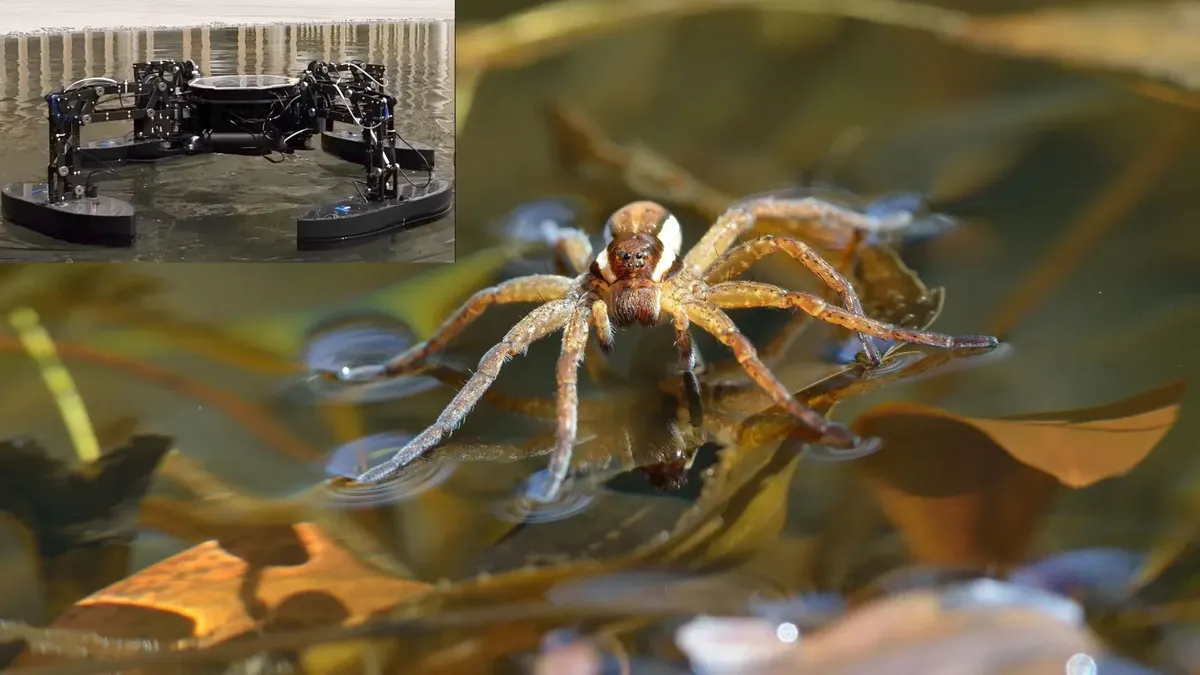
These tests included visual tracking and object pickup both indoors and outdoors. The researchers said these trials showed QuadBoat could follow targets on water and perform rescue-related retrieval tasks.
Addressing a Critical Need
This system aims to fill a major gap in water rescue. Finding someone in the water is just one part of the challenge. Rescue teams must also reach the victim and remove them quickly. This is especially important when cold, exhaustion, or rough conditions make survival harder.
Lianxin Zhang, Yihan Huang, and Huihuan Qian wrote in their paper that "prompt extraction of victims from water is crucial." They noted that previous rescue robot research rarely addressed this issue. QuadBoat is a bio-inspired USV designed to track and retrieve victims.
The researchers believe the robot could help emergency teams respond to boat crashes and other water accidents. Its ability to move and adjust its posture could also be useful where traditional USVs struggle to get close to a person.
QuadBoat is still in the research phase. The first tests were in controlled settings. More work is needed to see how the robot performs in waves, currents, and other real-world rescue conditions.
Future development could turn this spider-inspired design into a practical tool for search-and-rescue teams. It could give responders another way to find, track, and retrieve people from the water.
Deep Dive & References
QuadBoat: A Bio-Inspired Quadrupedal USV for Water Surface Object Tracking and Retrieval - arXiv, 2024