SpaceX just turned its 9,600-satellite constellation into something unexpected: a traffic management system for space itself.
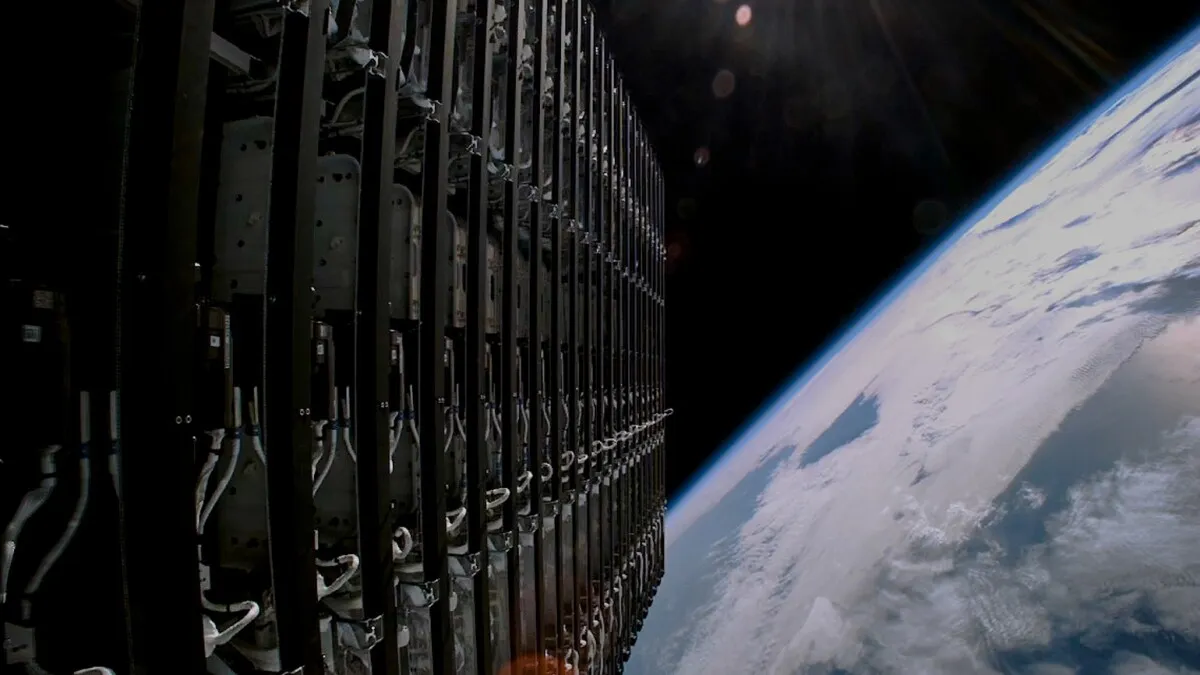
Each Starlink satellite carries star-tracker cameras—hardware designed to keep the satellite aligned by photographing stars. But SpaceX realized these 30,000 cameras, scattered across low Earth orbit, could do something else entirely. They could watch everything else up there.
The problem they're solving is real and urgent. Low Earth orbit is getting crowded. Most satellites cluster in the same altitudes and corridors, turning collisions from unlikely to plausible. One crash creates debris. Debris creates more crashes. The cascade is fast and catastrophic.
We're a new kind of news feed.
Regular news is designed to drain you. We're a non-profit built to restore you. Every story we publish is scored for impact, progress, and hope.
Start Your News DetoxTraditionally, tracking relies on satellite operators reporting their positions and any course changes. Ground-based radar and telescopes fill the gaps. But operators don't always report. Ground stations can't watch everything, all the time. Calculating whether two objects will collide takes hours—sometimes too long.
Stargaze, SpaceX's new system, changes the math. The constellation's distributed cameras can detect and track objects continuously, building a constantly-updated map of what's moving where. Orbital calculations that took hours now take minutes.
The system proved itself in early 2025. A third-party satellite was headed for a dangerously close pass near a Starlink unit—within 9 kilometers. Using Stargaze data, controllers projected a safer trajectory. The satellite adjusted course. Stargaze recalculated and confirmed the new path would bring them within 60 meters of each other instead. The Starlink satellite then maneuvered out of the way. Collision avoided. No debris cloud.
A public resource
What's notable: SpaceX is sharing the data. Orbital information from Stargaze updates hourly and is available to everyone—satellite operators, space agencies, researchers. It's the infrastructure for space traffic management that didn't exist before.
But SpaceX is also careful to note what this system isn't. Stargaze doesn't replace transparency. Satellite operators still need to report their positions and course changes. The system works best when everyone shares information. A constellation watching the sky is powerful. A constellation watching a sky where operators are honest about their movements is actually safe.
With 42,000 satellites planned for Starlink's full deployment, this tracking network will only get denser. The same infrastructure that delivers internet to remote villages is quietly becoming the backbone of orbital traffic control. Low Earth orbit needed a traffic cop. SpaceX built one from its own satellites.