For millennia, humans have carved stone, inked parchment, and built libraries to preserve what matters. Now researchers at Microsoft have found a way to store the equivalent of 2 million printed books in a piece of glass the size of a postage stamp—and keep it readable for longer than human civilization has existed.
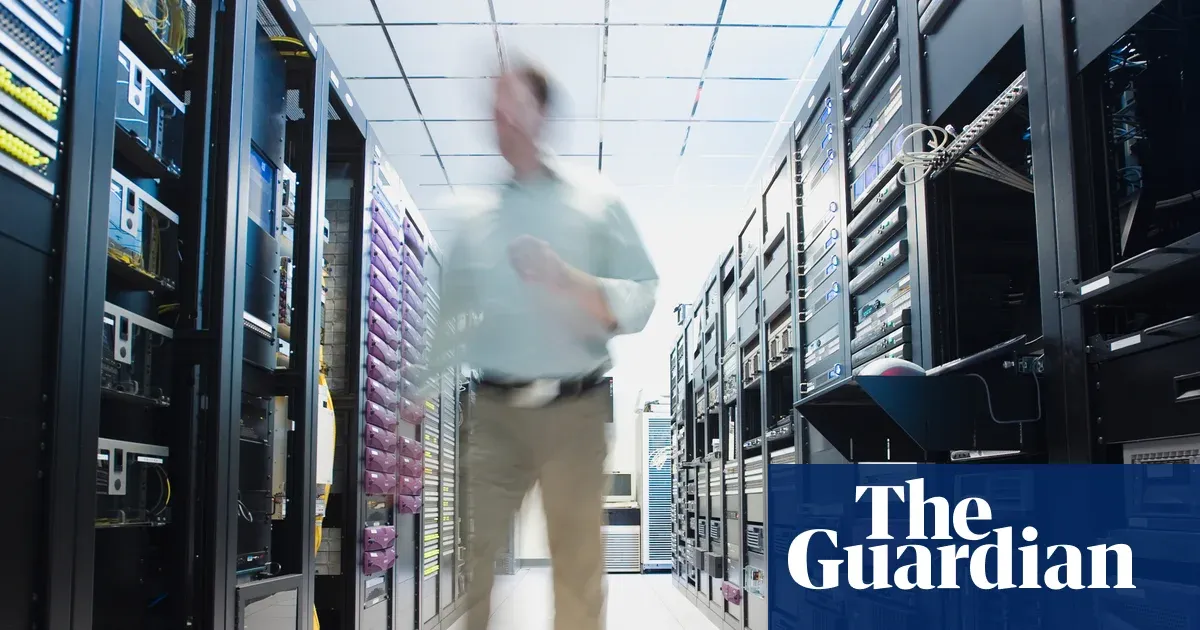
The problem they're solving is surprisingly urgent. Digital data—your photos, medical records, national archives—currently lives on magnetic tape and hard drives that degrade within decades. This means institutions spend enormous resources constantly copying information to fresh storage media, a cycle that's expensive, energy-intensive, and vulnerable to loss every time data moves.
How Glass Becomes a Time Capsule
The Microsoft team's method, called Project Silica, uses a femtosecond laser—firing in quadrillionths of a second—to etch data into glass as microscopic deformations called voxels. Think of it like creating a 3D barcode. The laser writes hundreds of these layers into just 2mm of glass, stacking information in ways that magnetic storage simply can't match. A piece of fused silica glass measuring 12 square centimeters can hold 4.84 terabytes of data. To read it back, an automated microscope scans each layer, a camera captures the voxel patterns, and machine learning decodes the information.
We're a new kind of news feed.
Regular news is designed to drain you. We're a non-profit built to restore you. Every story we publish is scored for impact, progress, and hope.
Start Your News DetoxRichard Black, research director of Project Silica, explains the appeal plainly: "Once the data is safely inside the glass, it's good for a really long time." Experiments suggest the voxels would remain intact and readable for more than 10,000 years at room temperature—longer than the entire span of recorded history.
The team has also cracked a practical problem: they've learned to write voxels into borosilicate glass, the material used in Pyrex cookware. It's cheaper and more widely available than fused silica, which matters if this technology ever scales beyond laboratories.
Still, real obstacles remain. Melissa Terras, a digital heritage expert at the University of Edinburgh, raises a genuine question: will future generations have the technology and instructions to read what we've written in glass. There's also the matter of cost and infrastructure—deploying this at scale would require significant investment and coordination across institutions. These aren't small hurdles, but they're engineering problems rather than physics problems. And in the history of information storage, engineering problems tend to get solved when the need is clear enough.
The trajectory here matters. We're moving from media that requires constant maintenance and renewal toward something that, once written, simply endures. That shift—from active preservation to passive durability—could reshape how we think about archiving everything from cultural heritage to scientific data.