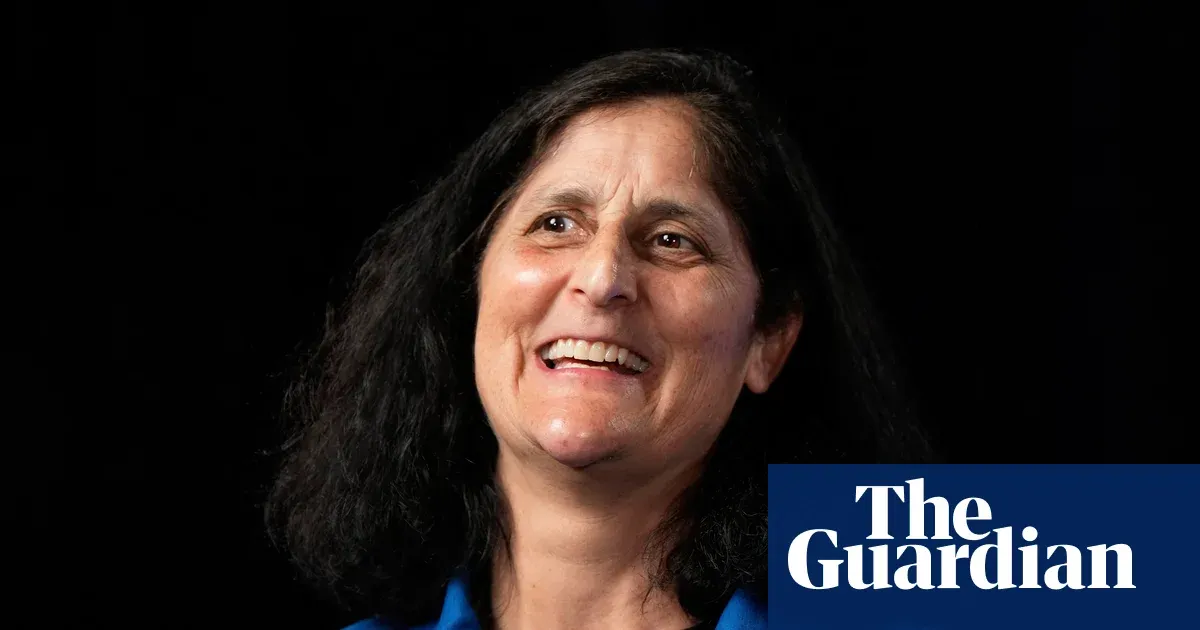
Suni Williams spent nine months where most of us will never go. She was supposed to stay ten days.
The 60-year-old former Navy captain launched aboard Boeing's Starliner in June 2024 with fellow astronaut Barry "Butch" Wilmore on what NASA called a test flight. Technical problems with the spacecraft meant they stayed 286 days instead — long enough to watch seasons change from orbit, to conduct experiments, to become part of the International Space Station's rhythm. In December, after 27 years with NASA, Williams retired from the agency.
The extended stay became a strange kind of famous. On Earth, it became political fodder: Donald Trump and Elon Musk claimed the pair were "stuck" and "abandoned," framing their eventual return on a SpaceX Dragon capsule last March as a rescue rather than a planned conclusion. Williams and Wilmore never wavered. They did their work. They came home.
We're a new kind of news feed.
Regular news is designed to drain you. We're a non-profit built to restore you. Every story we publish is scored for impact, progress, and hope.
Start Your News DetoxA Record That Speaks for Itself
But the Starliner mission, for all its complications, is only part of Williams's story. She holds the record for the most accumulated spacewalk time by any woman — more than 62 hours across nine separate operations, floating outside the station with nothing but a suit between her and the vacuum. She launched into space three times across her career: aboard the Space Shuttle Discovery in 2006, a Russian Soyuz in 2012, and Starliner in 2024. Her combined 608 days in orbit rank second among all NASA astronauts, behind only Peggy Whitson's 695.
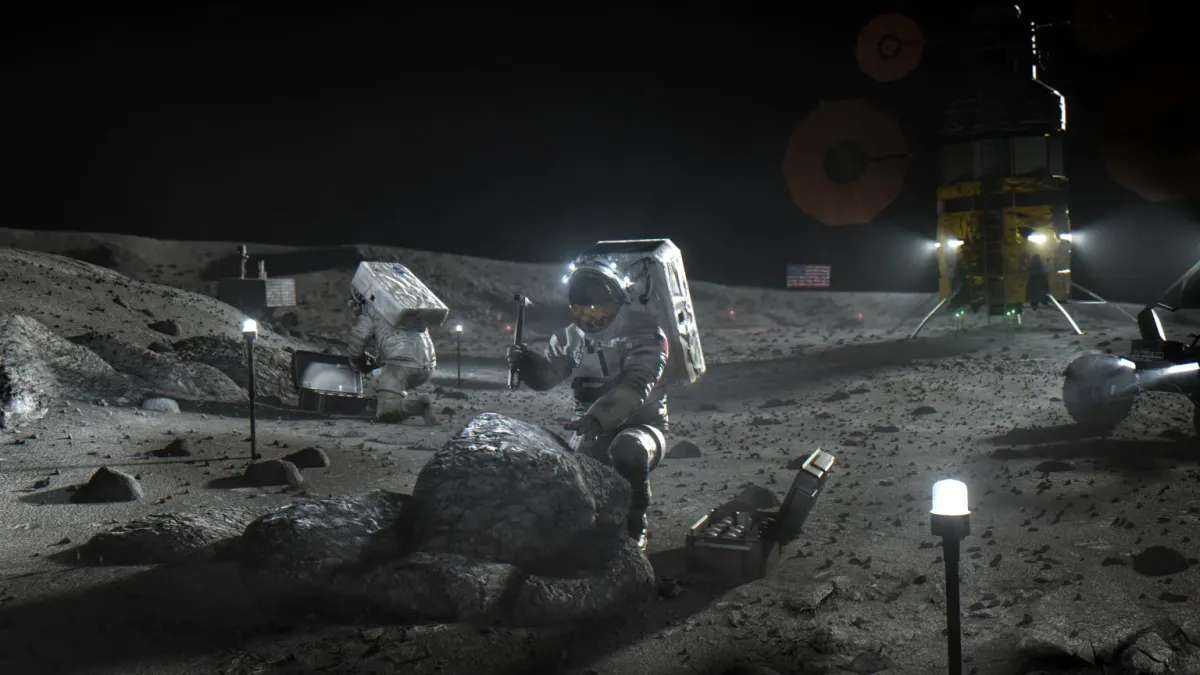
Williams's retirement arrives at a symbolic moment. NASA announced it on the 96th birthday of Buzz Aldrin, the second person to walk on the moon. Three days later, the agency moved the Artemis II rocket to its launchpad at Kennedy Space Center — the rocket that will carry humans around the moon for the first time since 1972.
"Over the course of Suni's impressive career trajectory, she has been a pioneering leader," said Vanessa Wyche, director of NASA's Johnson Space Center. Her work, Williams noted, opened a pathway to the next chapter: new exploration of the moon and Mars. The torch passes. The missions continue.