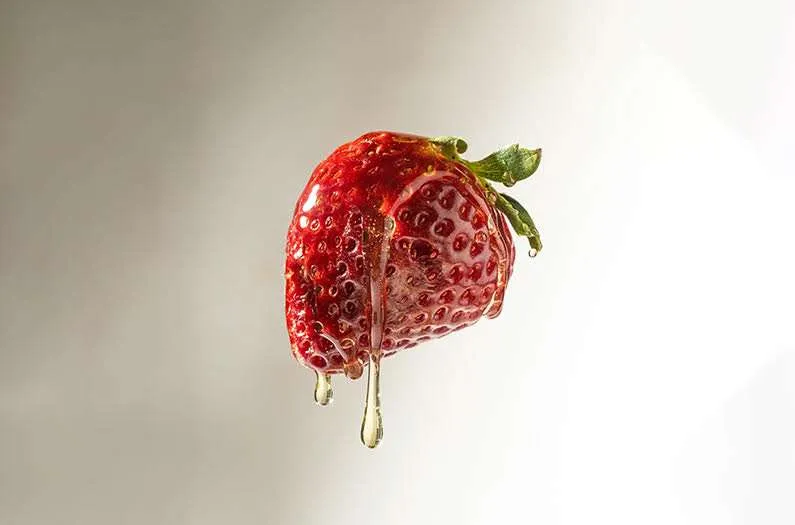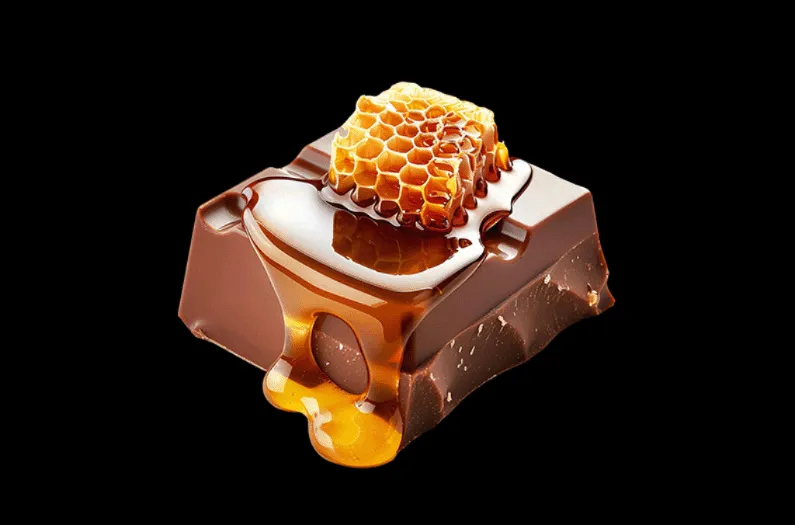
Get this: scientists just figured out how to turn chocolate waste into something delicious and good for you. They're mixing leftover cocoa shells with honey, making a new kind of super-honey. It's like finding a hidden gem in your chocolate bar.
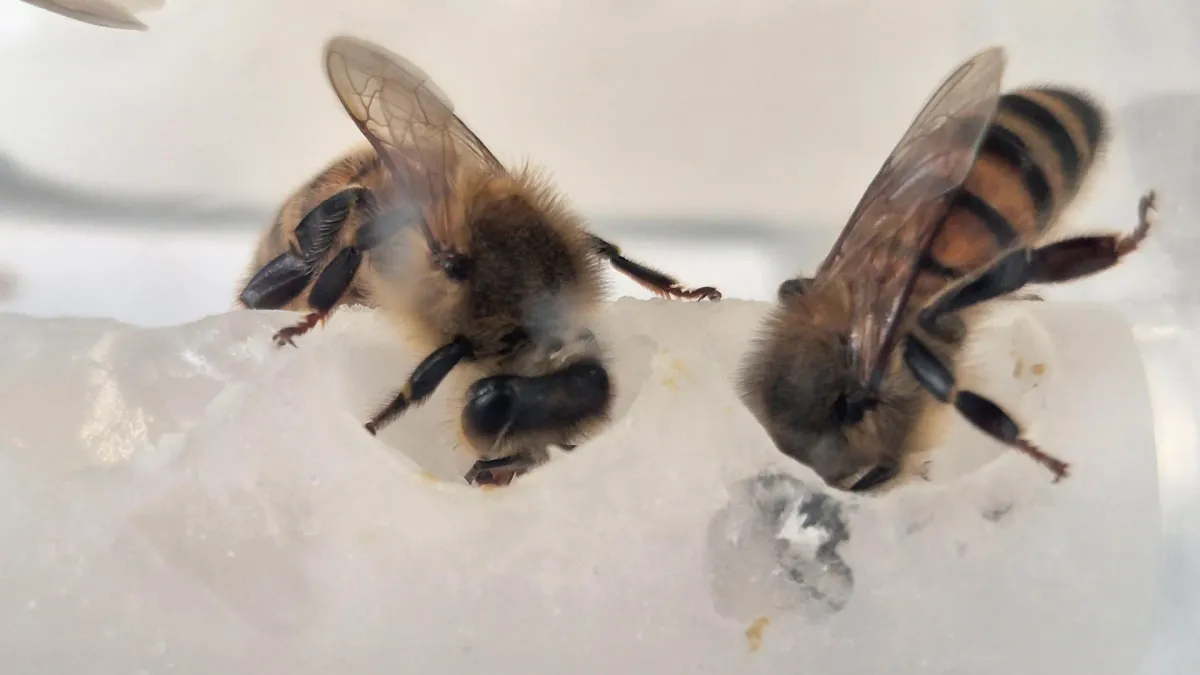
This clever idea started in Brazil. The country is a cocoa powerhouse, which means tons of cocoa bean husks usually just get tossed. But Brazil also has these amazing native bees that make thinner honey. Turns out, that lighter honey is perfect for soaking up good stuff from other ingredients.
The researchers saw a chance to combine all that wasted cocoa with local honey. They grabbed farm waste from São Paulo and five types of honey from stingless bees. Then, they used a special trick: ultrasound technology. Think of it like a tiny, gentle mixer that helps the honey pull out all the good compounds from the cocoa shells.
We're a new kind of news feed.
Regular news is designed to drain you. We're a non-profit built to restore you. Every story we publish is scored for impact, progress, and hope.
Start Your News DetoxThe ultrasound sends sound waves into the honey, creating tiny bubbles. When these bubbles pop, they briefly warm the honey. That warmth helps release beneficial compounds from the cocoa husks right into the honey.
Sweet Science for Your Heart
This simple method works wonders. After the ultrasound, the honey was packed with theobromine and caffeine from the chocolate. In small amounts, these are like tiny health boosters, known for antioxidant and anti-inflammatory effects. They're even linked to a healthier heart.
The type of honey mattered a lot. Thinner honeys, especially from 'mandaguari' and 'mandaçaia' bees, pulled out more of those good compounds. The mandaçaia honey was a superstar, getting high amounts of theobromine and caffeine from the cocoa in just three and a half minutes. That's pretty fast.
The team also checked if this was good for the planet. Using local honey means less transport pollution, which is a win. And the best part? This heart-healthy honey tastes great, with warm chocolate notes. They think it could be a hit in fancy cooking. This technique gives chocolate waste a whole new purpose and creates a market for unique local honeys.
This isn't just a Brazil thing. About 75% of every cocoa pod usually gets thrown away after chocolate is made. That's a whopping 700,000 tons of cocoa waste globally each year. Imagine if we could pair local honeys with all that wasted flavor worldwide. The research team has already patented their chocolate honey and plans to sell it. Now that's a sweet solution.