Bicycle Day, celebrated every April 19, marks the world's first recorded LSD trip in 1943. Swiss chemist Albert Hofmann took lysergic acid diethylamide (LSD) and then rode his bicycle home from his lab in Basel, Switzerland. Today, people worldwide celebrate by recreating this bike ride.
The Discovery of LSD
Hofmann discovered LSD while working for Sandoz Laboratories. He was researching lysergic acid, which comes from the ergot fungus. His goal was to create a compound to treat respiratory and circulatory problems.
He developed several important drugs from ergot. One compound is still used to prevent bleeding after childbirth. However, it was the 25th compound he created, lysergic acid diethylamide, that had the biggest impact.
We're a new kind of news feed.
Regular news is designed to drain you. We're a non-profit built to restore you. Every story we publish is scored for impact, progress, and hope.
Start Your News DetoxSandoz Laboratories initially put LSD-25 aside. But Hofmann remained curious. In April 1943, he remade the substance and accidentally absorbed tiny amounts through his skin. He wrote in his journal about a "remarkable experience" he linked to the compound.
On April 19, Hofmann decided to take his experiments further. He intentionally took 0.25 milligrams of LSD. He later said the drug "spoke to me," telling him to "find me" and not to give it to pharmacologists.
The drug made Hofmann feel strange at first. He noted "dizziness, feeling of anxiety, visual distortions, symptoms of paralysis, desire to laugh." He felt the need to go home, which was a few miles away. He got on his bicycle, starting the world's first LSD trip through the streets of Basel.
At home, Hofmann experienced a six-hour trip. It was filled with intense visuals and emotions.

Hofmann had felt a similar sense of wonder as a boy. During World War I, he walked through hills near his home in Baden, Switzerland. He found a forest full of spring leaves and birdsong. He described it as shining with "the most beautiful radiance," filling him with "indescribable joy, oneness and blissful security."
After discovering LSD's effects, Hofmann connected this childhood memory to the drug. He believed LSD offered access to a similar "unfathomable reality" hidden from everyday view. He wanted to share this discovery.
LSD's Journey to Mainstream and Back
Hofmann continued to experiment with LSD. He reintroduced it to Sandoz Laboratories. By 1950, the company marketed the drug, called Delysid, to psychiatric hospitals for research.
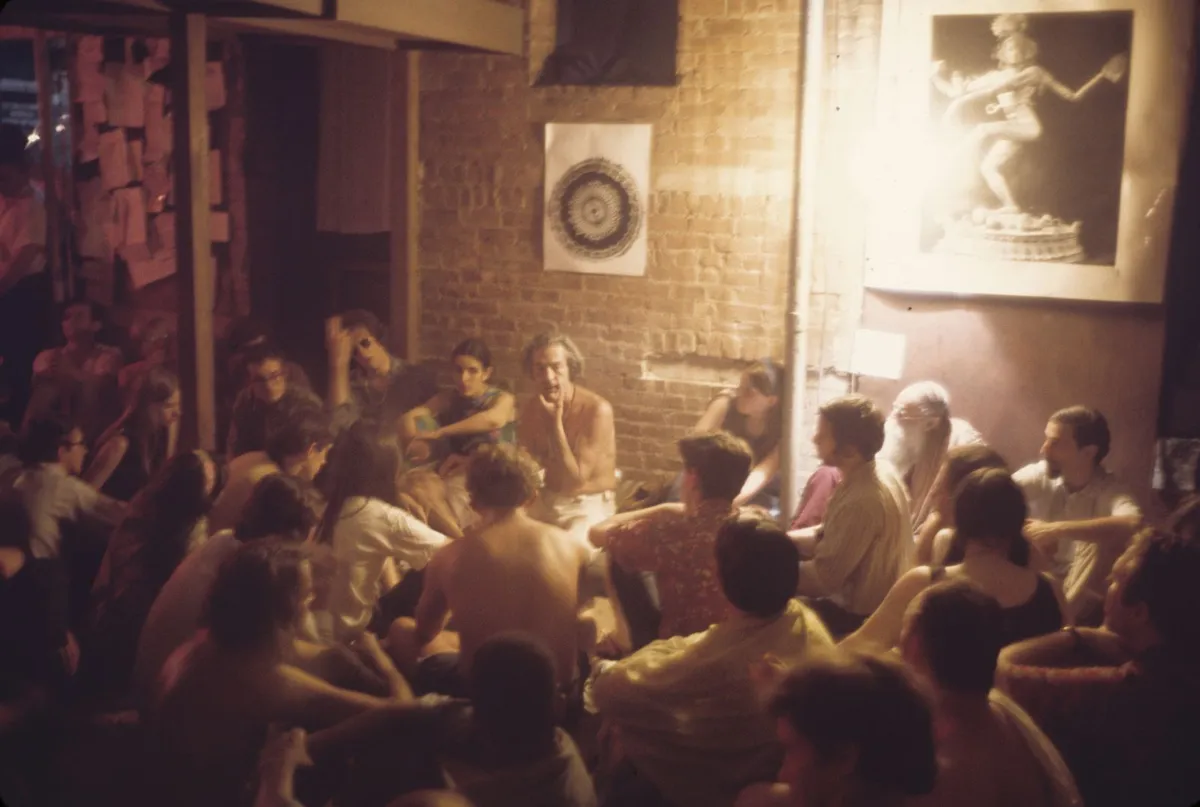
By the 1960s, LSD became a key part of countercultural movements. Some estimates suggest over a million Americans had used LSD without medical supervision by 1970.
However, the rise in recreational use led to a backlash. Switzerland passed laws limiting LSD use in 1968. By 1970, the United States made it illegal. Today, recreational use is illegal in many countries.
Hofmann, who died in 2008 at 102, always believed in LSD's potential. In 2004, he said LSD helps us see the difference between the man-made world and the natural world. He felt we often miss the living world right in front of us.
Mainstream science is now showing renewed interest in hallucinogenic drugs. There's a resurgence in clinical research, especially in psychiatric studies.
Recently, Nature Medicine published a large study on how psychedelics affect the human brain. Danilo Bzdok, a biomedical engineer at McGill University and a senior author of the study, noted that many depression therapies haven't changed much. He believes psychedelics could be the most promising shift in mental health treatment since the 1980s.
Deep Dive & References
- LSD: My Problem Child - Albert Hofmann, 1979
- The largest-ever study of psychedelics could help advance their use in treating mental health disorders - McGill University, 2026
- How different psychedelics affect the brain - Nature Medicine, 2026