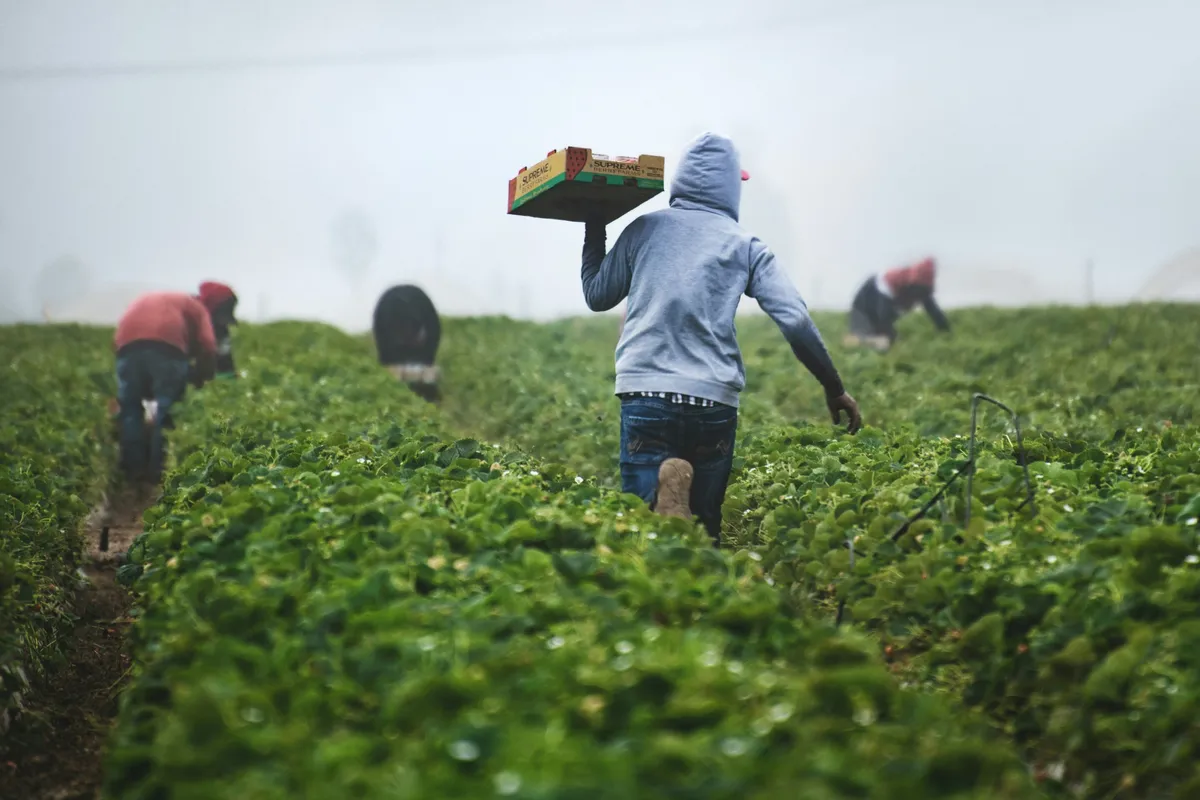
Every year, farms worldwide produce 3.3 billion metric tons of crop residue—the stalks, husks, and chaff left over after harvest. Most of it gets burned for energy, releasing enormous amounts of CO2 into the atmosphere. But researchers at the University of Illinois have found something striking: if we stopped burning that waste and used it to make building materials instead, we could actually cool the planet.
The math is simple. When wheat straw, rice husks, and corn stalks are burned, their carbon goes straight into the air. When they're turned into insulation, bricks, paneling, or cement, that carbon gets locked inside buildings for decades—or longer. In their modeling, researchers simulated what would happen if we eliminated crop residue burning globally and replaced the lost energy with renewables. The result: a cooling effect of 0.35°C over a century. Not massive, but real. Persistent. Still measurable 100 years from now.
"The scenario leads to a small but persistent cooling effect that builds up gradually and is still present after a century," explains Bamdad Ayati, the study's lead author. It's the kind of climate intervention that doesn't require new technology or breakthroughs—just a shift in how we treat something we're already producing.
We're a new kind of news feed.
Regular news is designed to drain you. We're a non-profit built to restore you. Every story we publish is scored for impact, progress, and hope.
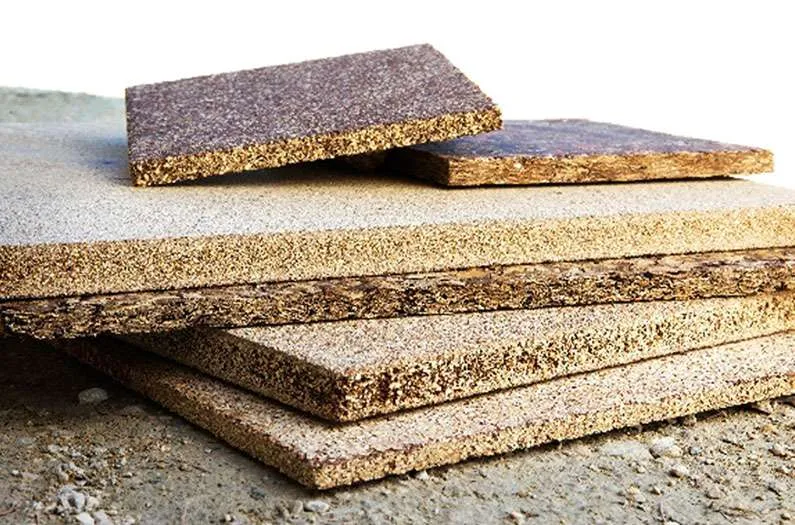
Start Your News DetoxCrop waste as a building material isn't new. Rice husks and wheat straw are already used in bio-insulation, panels, and other products in parts of Asia, Europe, and North America. But it's still niche—a tiny fraction of what's available. Even if global demand for these materials grew aggressively, the researchers found it would only divert about 1% of available crop waste. That's not the bottleneck, though. The real opportunity is simpler: stop burning the rest.
"The first and most urgent step would be to eliminate carbon-intensive residue burning globally," Ayati says. The second step—growing the market for crop-waste building materials—would happen naturally if governments reduced the regulatory and market barriers that currently make it harder for builders to use these materials than conventional alternatives.
Beyond insulation, the applications are expanding. Crop waste is being tested for cement production, structural boards, bricks, and paneling. Each use locks carbon away in buildings that might stand for a century or more. It's not a silver bullet for climate change, but it's a use case where the math works, the materials exist, and the only real barrier is inertia.
The next phase is scaling. Governments in Southeast Asia and parts of Europe are beginning to ease regulations around bio-based building materials. If that trend accelerates, 3.3 billion tons of annual waste could become something else entirely: a carbon sink disguised as a construction site.