A few days before Christmas, the math looked catastrophic. An accountant at a farmers' conference near Penrith walked through the inheritance tax rules for agricultural land, using a typical hill farm as an example. The annual bill: £59,000. For ten years. For a family operation that barely breaks even.
That's when the government announcement came through on December 23rd. The inheritance tax threshold for agricultural land and assets jumped from £1 million to £2.5 million. For thousands of small farms across Britain, it felt like the weight lifted.
The Difference Between Survival and Surrender
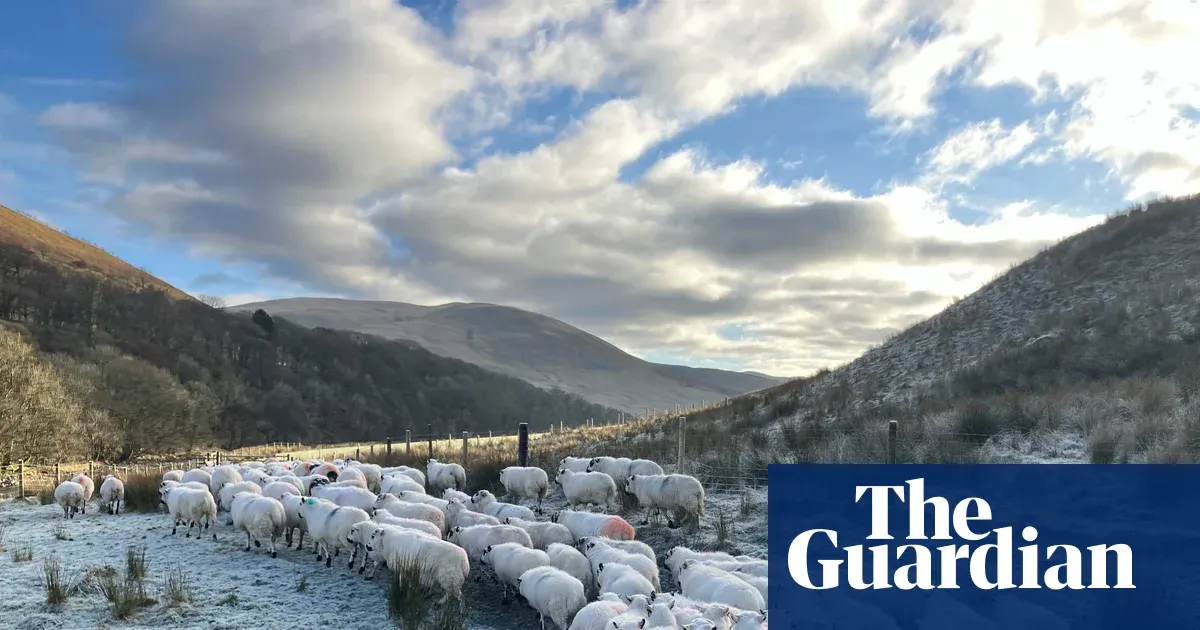
A hill farm in Cumbria doesn't make money the way people imagine. The land itself—often beautiful, sometimes valuable—sits on the balance sheet at a price that has nothing to do with sheep or crops. Farmhouses get valued for their "development potential," their appeal as holiday lets or weekend retreats. A family working the land for three generations can own an asset worth millions on paper while the actual farming operation barely covers costs.
We're a new kind of news feed.
Regular news is designed to drain you. We're a non-profit built to restore you. Every story we publish is scored for impact, progress, and hope.
Start Your News DetoxUnder the old threshold, inheritance tax would have forced impossible choices. Sell the land. Let it pass to new owners with no roots in the community, no commitment to the landscape itself. Watch it transform into something else entirely—profitable, maybe, but disconnected from the place it sits.
The threshold change rewrites that story for farms like this one. Farmers who've spent decades restoring wildlife habitats, managing the land for biodiversity, keeping it in family hands—they now have a realistic path forward. Their children might actually be able to inherit without triggering a financial crisis.
The Bigger Picture
This isn't a complete fix for British farming. Wider structural issues remain: payment systems that sometimes reward landowners who contribute nothing to their communities, gaps between what government support goes to and what actually sustains rural livelihoods. Those problems haven't disappeared.
But for the farms that do the work—the ones where three generations live on the land, where someone is checking sheep on a freezing morning not as a business strategy but as a way of life—this threshold change means something concrete. It means the dread lifts. It means the future stops feeling like a countdown to forced sale.
It means small, working farms get a chance to stay that way.