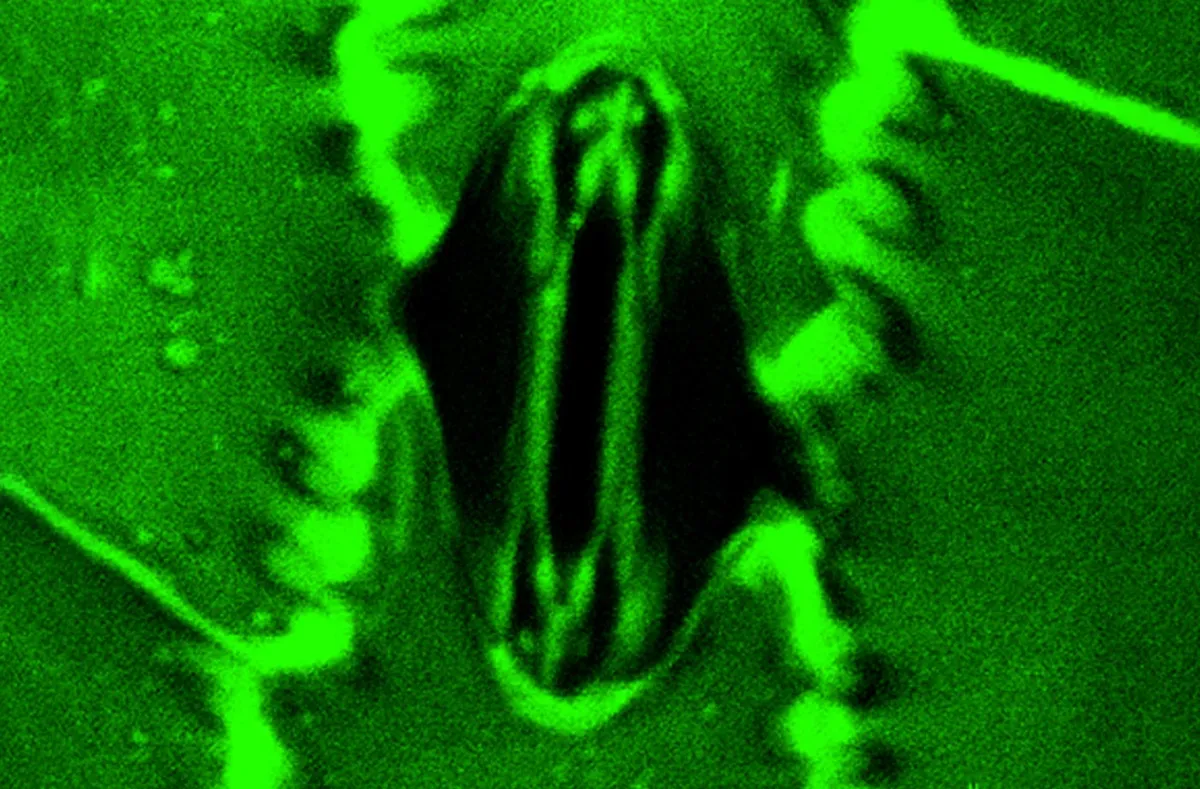
For centuries, botanists have known that plants face a daily dilemma: open the tiny pores on their leaves to grab carbon dioxide for photosynthesis, and you lose precious water to the air. Close those pores to conserve moisture, and you starve. But actually watching this microscopic negotiation happen has been nearly impossible—until now.
Researchers at the University of Illinois Urbana-Champaign have built a tool that does something remarkably simple in concept but technically intricate in execution: it lets you see what's happening inside a leaf while simultaneously measuring the exact amounts of gas and water moving in and out, all while controlling the light, temperature, and humidity around it.
They call it the Stomata In-Sight system. The stomata are those microscopic pores—thousands of them per square centimeter of leaf surface. The system combines three technologies that have never been integrated before: a laser-based microscope that creates three-dimensional images of living cells without cutting into them, sensors precise enough to measure carbon dioxide intake and water loss down to tiny fractions, and an environmental chamber that mimics real-world conditions.
We're a new kind of news feed.
Regular news is designed to drain you. We're a non-profit built to restore you. Every story we publish is scored for impact, progress, and hope.
Start Your News Detox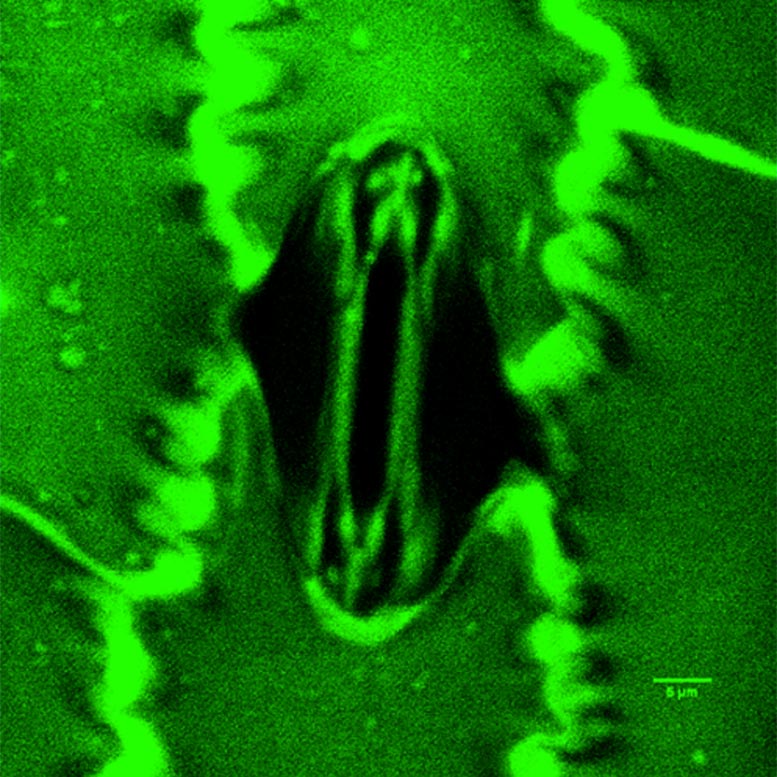
What this unlocks
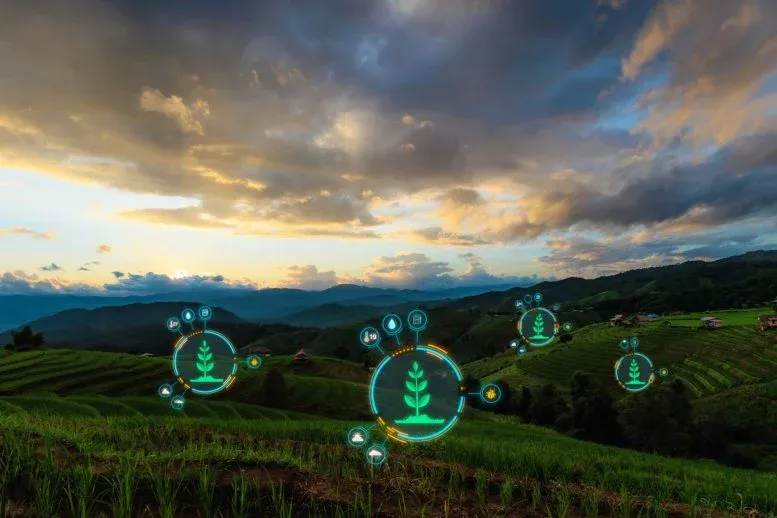
The practical payoff is substantial. Right now, when breeders want to create crops that use less water, they're largely working in the dark—testing thousands of plant varieties and hoping some happen to be more efficient. With this window into how stomata actually work, scientists can identify the genetic traits that make plants "smarter" about water use. They can see which signals tell a stoma to open or close, and how the number of pores on a leaf influences that decision.
Water is the single biggest limit on how much food we can grow globally. Droughts are intensifying. Irrigation accounts for 70 percent of freshwater use worldwide. A crop that produces the same yield while drinking 10 or 20 percent less water doesn't just sound nice—it changes the math of food security in drier regions, reduces pressure on aquifers, and makes farming viable in places where it's becoming marginal.
The research, published in Plant Physiology in 2025 and supported by the U.S. Department of Energy and National Science Foundation, represents the kind of unglamorous foundational work that often precedes real-world breakthroughs. You won't see this tool in a farmer's field next season. But in five or ten years, the crop varieties it helps identify might be quietly growing across millions of acres.
The next step is to use this system to study different crop species and identify which genetic variations actually translate to water savings in the field—the bridge between laboratory insight and agricultural reality.