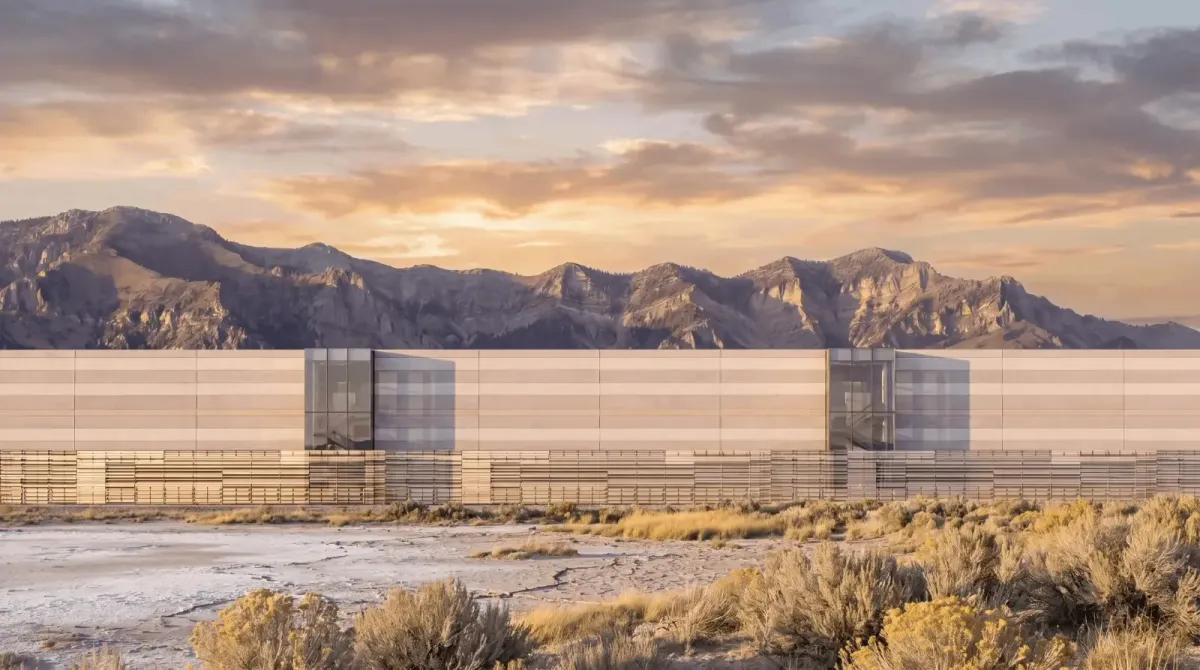
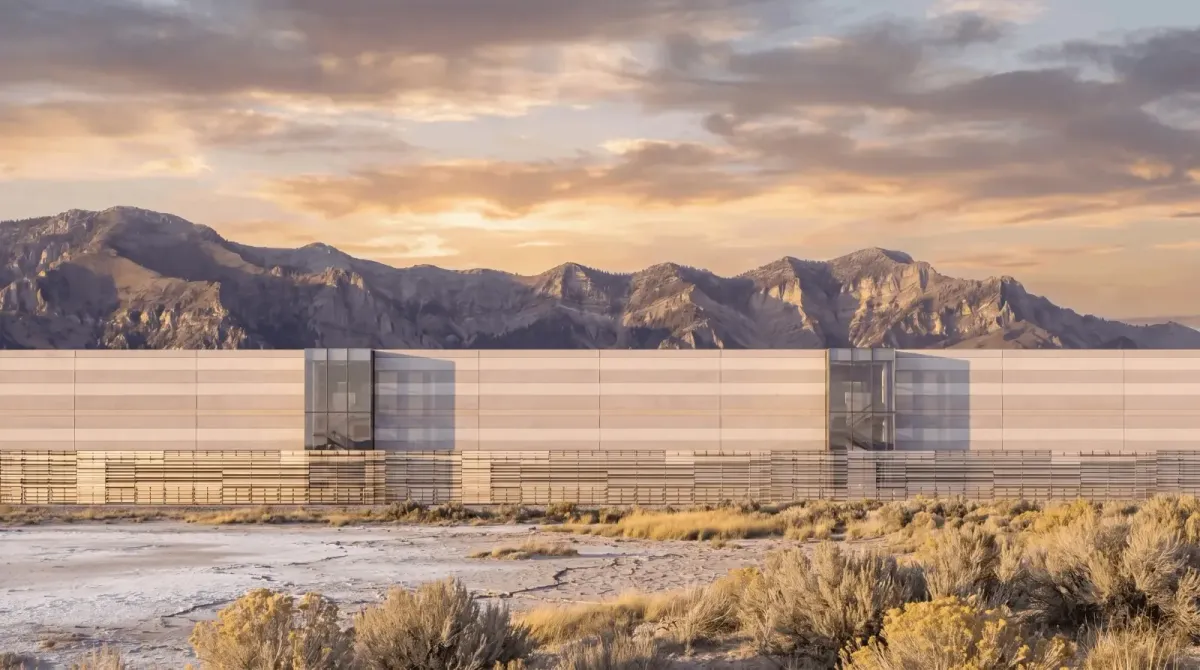
A proposed data center in Utah, dubbed the Stratos Project, was supposed to be a colossal 40,000-acre behemoth — roughly the size of Washington, D.C. — powered entirely by natural gas. The only problem? Utah’s Republican Governor Spencer Cox just dropped a definitive “never” on that particular plan.
This whole saga kicked off with the Military Installation Development Authority (MIDA) greenlighting the project, complete with tax breaks. Reality TV personality Kevin O’Leary, the main backer, apparently picked the remote Hansel Valley because, conveniently, a gas pipeline already ran through it. The official line was that the data center's power plant would run “100 percent off the Ruby Pipeline.” Because apparently that’s where we are now: letting reality TV stars decide the energy future of entire states.

But after weeks of protests, public outcry, and a whole lot of head-scratching from environmental groups and residents, Governor Cox stepped in. He told The Salt Lake Tribune that while the first phase might use natural gas, subsequent phases absolutely must pivot to nuclear, geothermal, solar, and other renewables. Which, if you think about it, is both impressive and slightly terrifying that it took this much noise to get to that point.
We're a new kind of news feed.
Regular news is designed to drain you. We're a non-profit built to restore you. Every story we publish is scored for impact, progress, and hope.
Start Your News DetoxThe Scale of the Problem
The Stratos Project is still a bit hazy on details, but the numbers being thrown around are enough to make an air quality expert hyperventilate. A 9-gigawatt natural gas plant, running full tilt, could increase Utah’s carbon emissions by a staggering 64 percent. Not to mention the project's thirst for 13,000 acre-feet of water from the already shrinking Great Salt Lake — enough for over 20,000 households. The opposition was, understandably, robust, with nearly 4,000 protest letters and a petition with 6,000 signatures landing on the Governor's desk.
Governor Cox, to his credit, admitted the rollout was a bit of a mess. He suggested that future decisions of this magnitude should probably involve, you know, his office and elected officials. A not-so-subtle jab at MIDA, which usually focuses on military support but has recently branched out into luxury hotels and ski villages. Because nothing says “national security” quite like a resort.
The AI Energy Crunch is Real
This whole kerfuffle highlights a growing tension: the insatiable energy demands of AI and data centers are straining power grids across the West. While Governor Cox is pushing for an “Energy Superabundance” initiative to double Utah’s energy production, he’s also now acknowledging that air quality is a “valid concern.” So much so that the year-long environmental permitting process won't be sped up, despite his general desire for faster approvals.
Even O’Leary, the Shark Tank investor, has hinted at renewables, mentioning air-cooled turbines and improved battery tech on X. Though he stopped short of a full commitment, which is a bit like saying you’re going on a diet but then ordering a pizza. Climate scientist Logan Mitchell's calculations, which put the potential emissions at 35 million metric tons annually (and didn't even include methane leakage), certainly underscore the urgency. The future, as Cox put it, brings “amazing things” but also some “pretty awful ones.” Looks like Utah just dodged one of the awful ones, at least for now.