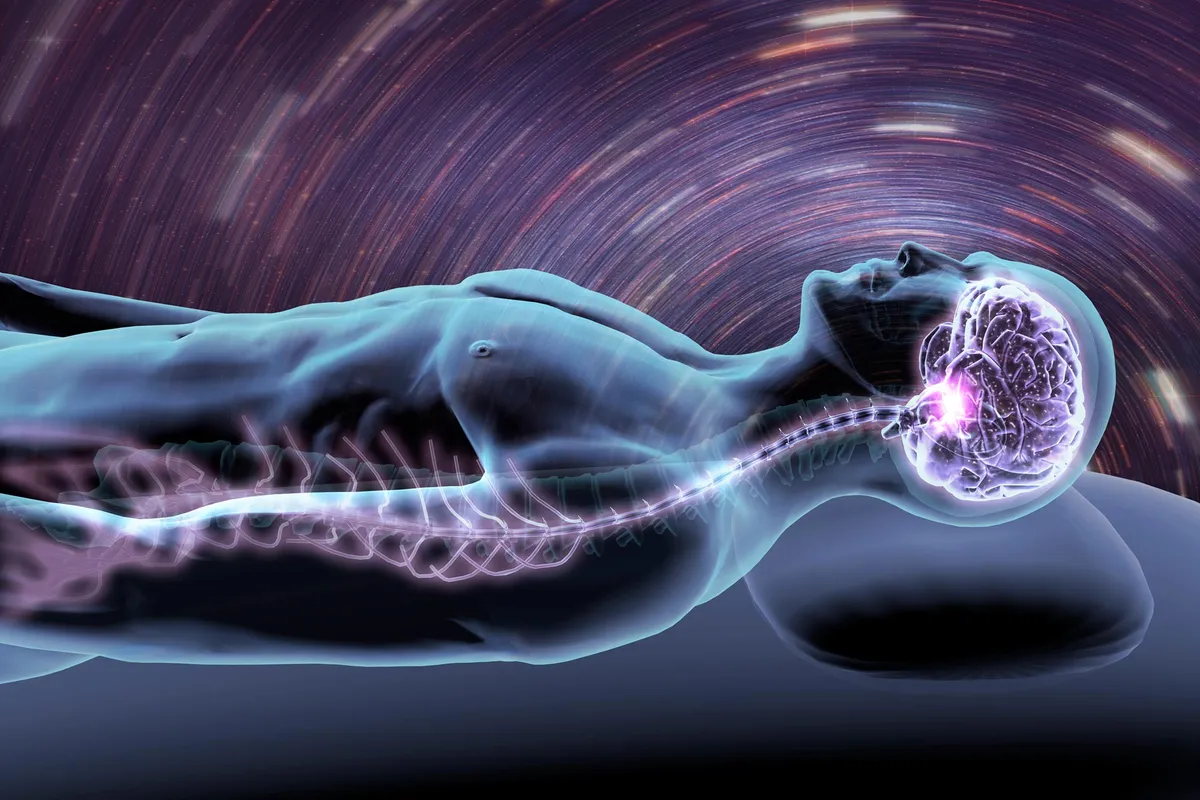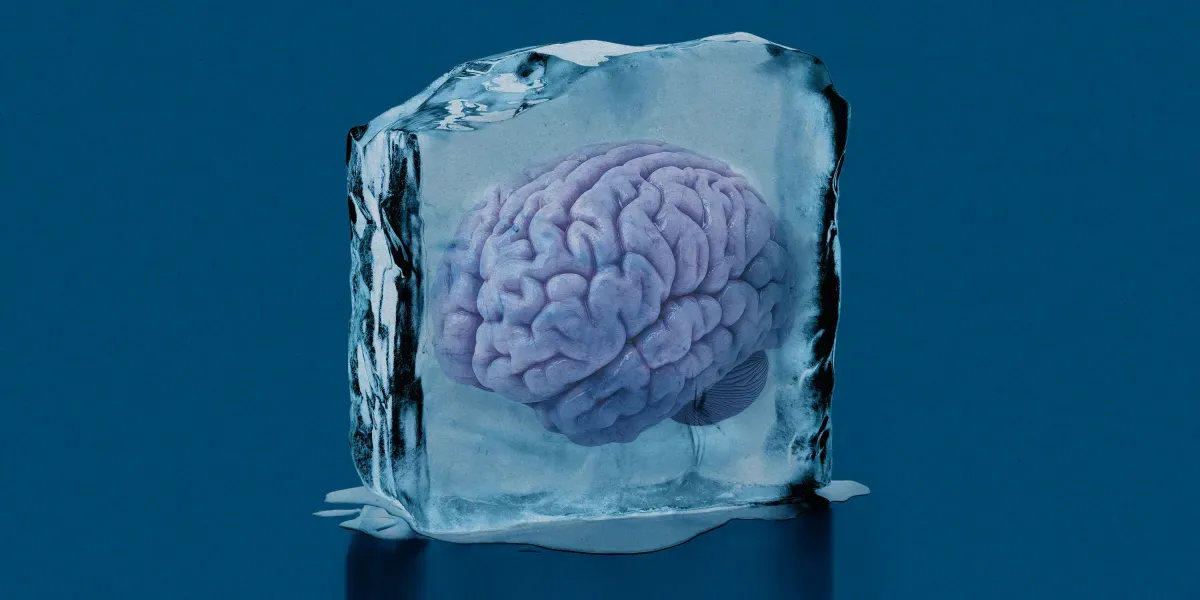
Get this: tiny lab-grown brains, no bigger than a pea, just figured out how to solve a classic engineering problem. They actually rewired themselves to balance a digital pole on a moving cart, all using just electrical signals.
Imagine trying to keep a ruler upright on your hand while you walk. It’s tough, right? Your brain is constantly making tiny adjustments. Now, scientists have taught these mini brains to do something similar in a computer simulation.
How These Mini Brains Learn
These mini brains, called organoids, are made from stem cells. They’ve got tons of neurons forming complex networks. The early versions were like a premature baby's brain. Now, they're more like a kindergartener's brain wiring. Researchers are pushing to see what else they can learn.
We're a new kind of news feed.
Regular news is designed to drain you. We're a non-profit built to restore you. Every story we publish is scored for impact, progress, and hope.
Start Your News DetoxIn a new study, scientists gave these organoids a task that needs practice. Our own brains learn from feedback, usually small electrical signals. This "reinforcement learning" method is how we train AI, and now, it’s teaching mini brains.
The big idea isn't to swap your computer chip for living tissue. It's about understanding how well these organoids can learn and adapt. Ash Robbins, one of the study authors, explained they want to see how neurons adjust to solve problems. This could even help us understand how brain diseases mess with learning.
Brains in a Dish
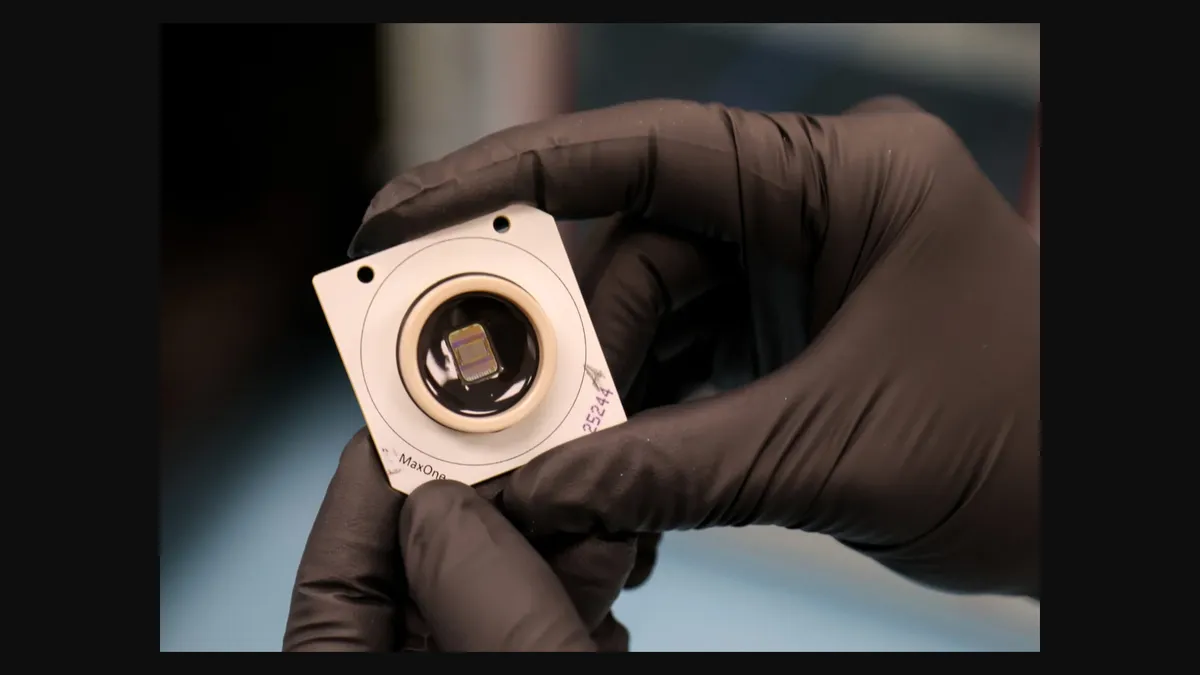
Connecting living brain tissue to computers sounds like sci-fi, but organoids make it real. These little clumps of brain cells often start as skin cells, then are turned back into stem cells. With special nutrients, they grow into different brain cell types. They form 3D structures, create networks, and even produce electrical waves. They can even control artificial muscles!
Bioengineers see these organoids as potential living processors. Our brains use way less power and are much more flexible than even the smartest AI chips. Linking organoids together could lead to super low-energy computing.
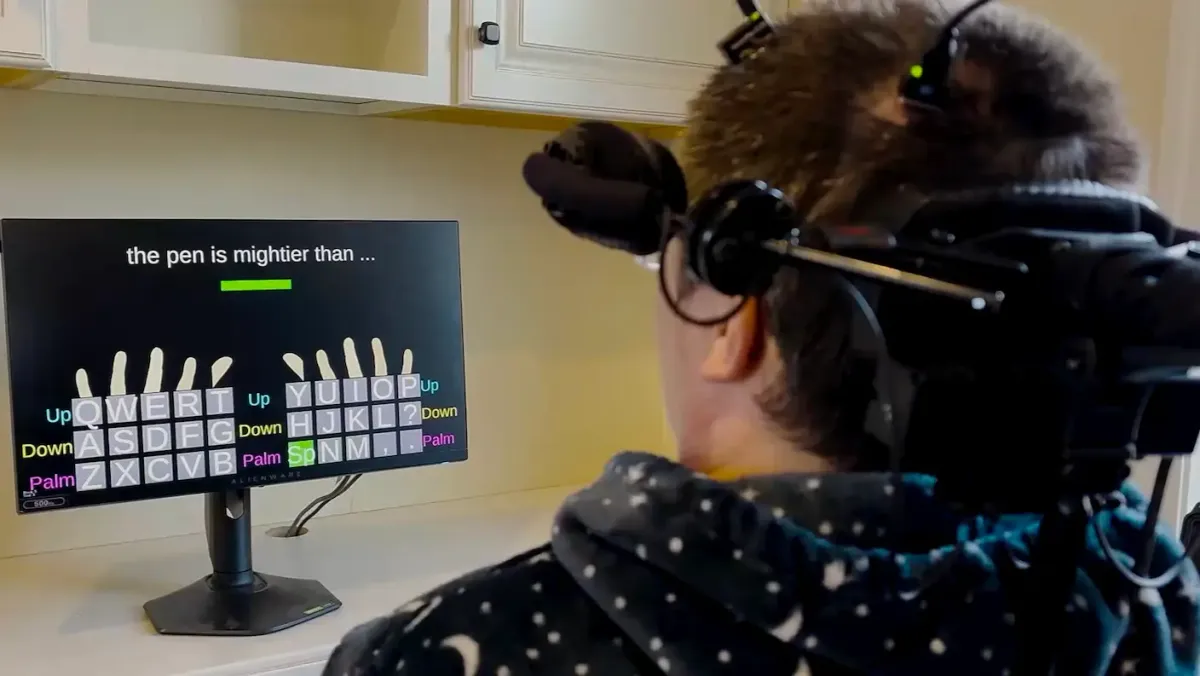
It’s not just a pipe dream. Scientists have already taught isolated neurons to play video games like Pong. Others have used cultured neurons to steer simple vehicles.
But mini brains are different. Their 3D structures are more complex. For "organoid intelligence" to work, predictable learning is key. Their electrical activity needs to adapt fast, strengthening or weakening connections.
This is where reinforcement learning comes in. When we succeed, our brains release chemicals and rewire connections. Failures don't get the same treatment. It helps us learn not to touch a hot pan. But these mini brains don't have the dopamine neurons usually involved in that process. So, could they still learn?
Learning Through Zaps
The team grew cortical organoids from mouse stem cells. These formed networks and layers in about a month. They chose this type because the cortex is known for processing information and adapting.
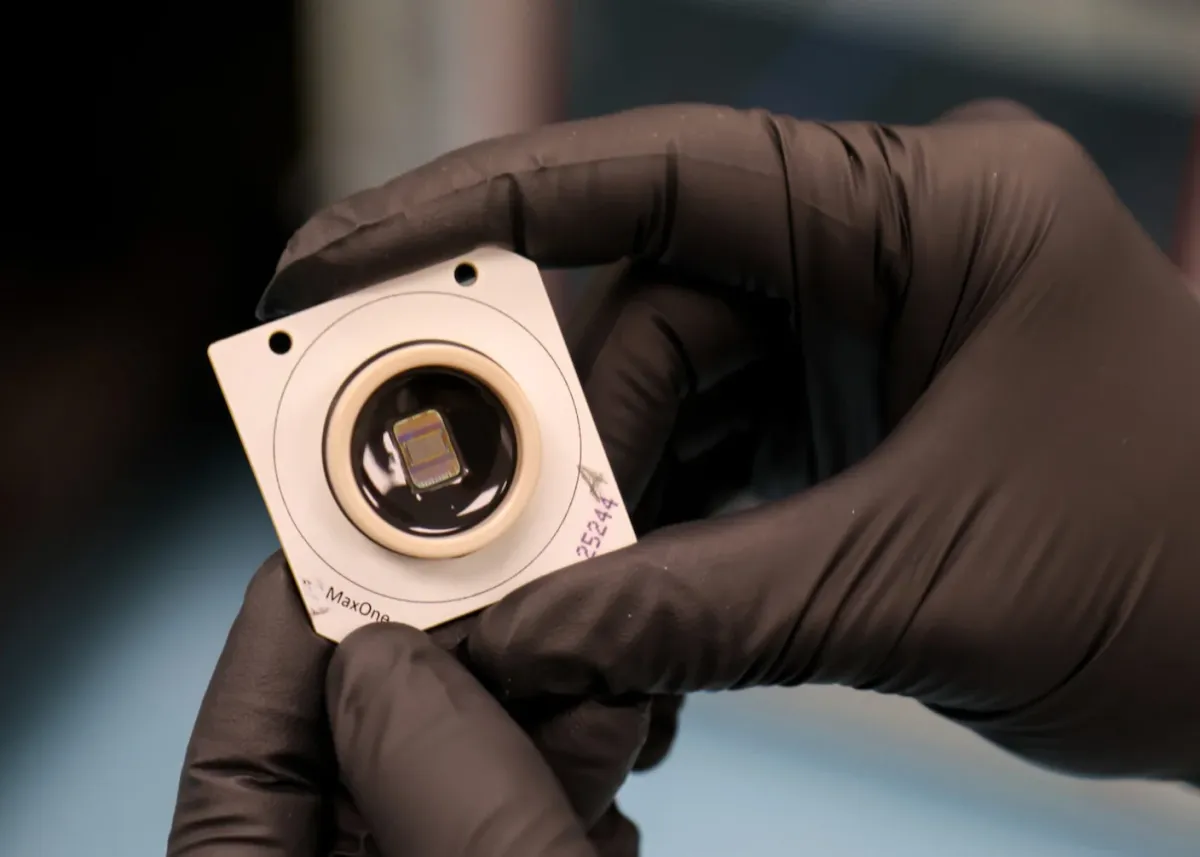
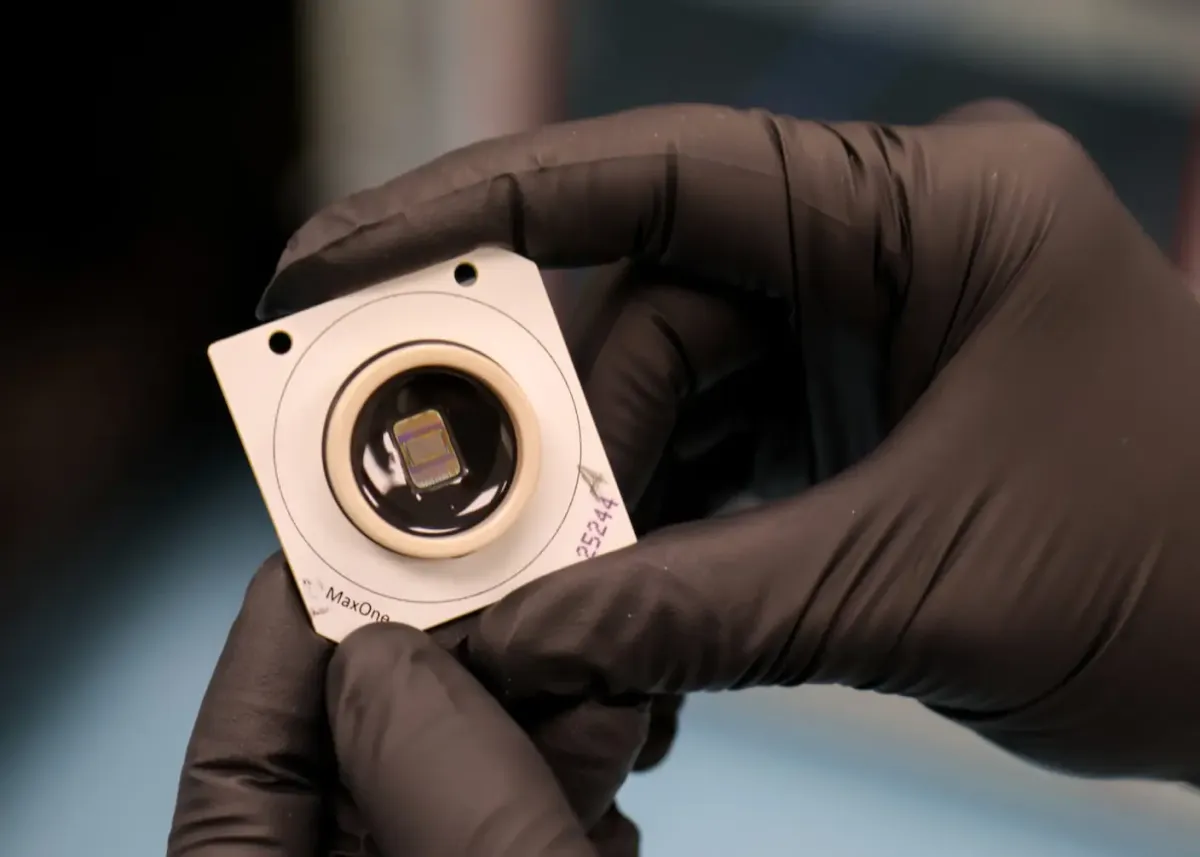
They placed the mini brains on a chip that recorded their electrical pulses. This chip also talked to a computer, teaching the brains and processing data. After seeing their natural activity, the team found the best way to stimulate them.
Mircea Teodorescu, another author, called it powerful to be able to record, stimulate, and adapt all in one system.
Next, the organoids faced the "cartpole problem." It’s a classic task: balance an upright pole on a moving cart. If the pole tips too much, it’s a fail. You have to constantly adjust the cart as the pole wobbles.
To train the organoids, scientists delivered electrical zaps when the pole tipped too far. They tracked the responses. Essentially, the mini brains were playing a video game with human coaches. If the organoid’s performance improved over 20 trials, no zaps were given. If not, zap! Robbins compared it to an artificial coach saying, “You’re doing it wrong, tweak it a little bit in this way.”
With these targeted zaps, the success rate jumped from 4.5% to 46.5%. That's seriously cool. It showed the organoids learned from electrical signals alone, even without dopamine. They found another chemical that strengthens connections was being released. Blocking it stopped the learning.
This proves that biological networks can be changed precisely with electronic control. The catch? The learning didn't last. After about 45 minutes without zaps, they forgot. This short memory might be because they lack the brain pathways for long-term memory. The team is now trying to grow different types of organoids together to fix that.
Keith Hengen, a scientist not involved in the study, summed it up: These are super simple circuits, without dopamine, senses, or even a body. Yet, they could still solve a real control problem. It suggests that the ability to adapt and compute is built right into brain tissue itself, even without all the other stuff we usually think is necessary. Wild, right?