Ever woken up from an intense dream feeling totally refreshed? Turns out, those wild, immersive dreams might be exactly why your sleep feels so deep and restorative.
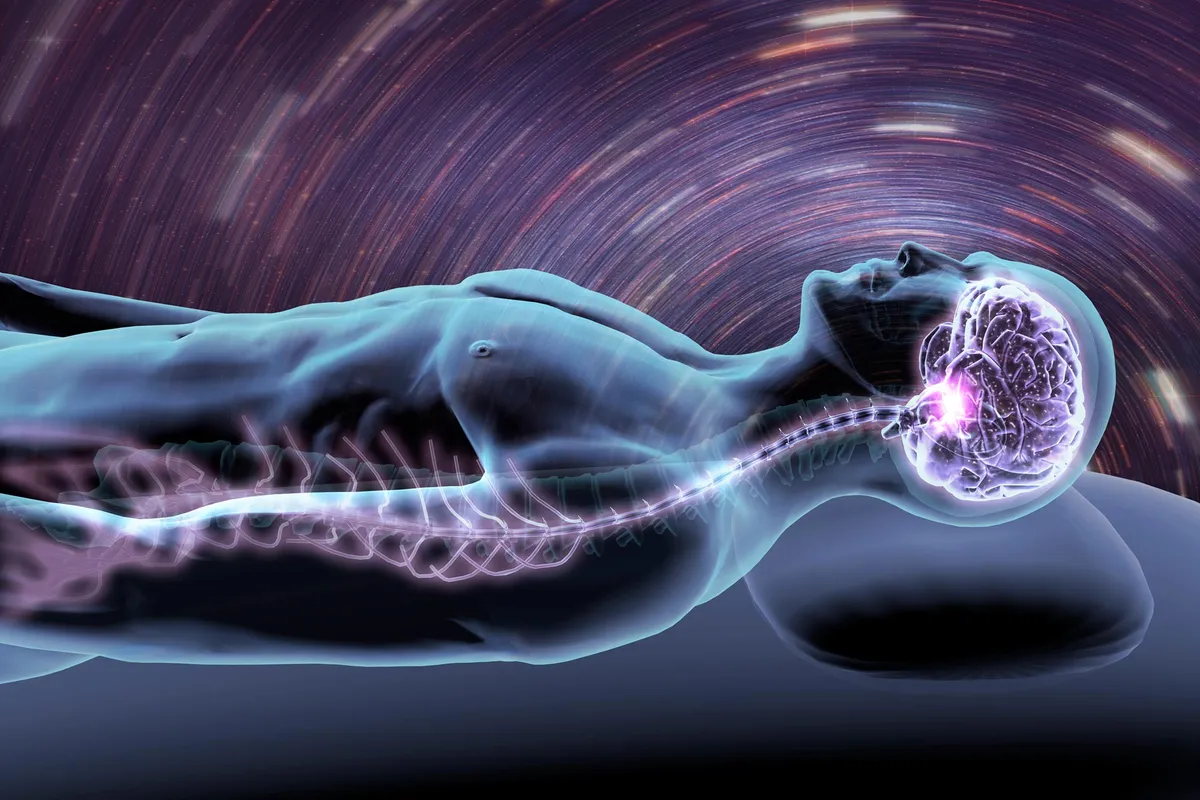
For ages, scientists thought deep sleep meant your brain was basically powered down. Slow waves, low activity, not much going on up there. Dreaming, especially during REM sleep, was seen as a kind of partial wake-up call, messing with that deep rest.
But here's the kicker: people often feel most deeply asleep when they're having vivid dreams. That's a puzzle, right? If your brain's buzzing like it's awake during a dream, how can you feel totally out of it?
We're a new kind of news feed.
Regular news is designed to drain you. We're a non-profit built to restore you. Every story we publish is scored for impact, progress, and hope.
Start Your News DetoxNew research from the IMT School for Advanced Studies Lucca just flipped that idea on its head. They suggest that vivid dreams don't interrupt deep sleep; they create it. Seriously cool.
The Dream-Sleep Connection
To figure this out, researchers had 44 healthy adults spend four nights in a sleep lab. They hooked them up to high-tech EEG machines to watch their brain activity. Over a thousand times, participants were gently woken up and asked two things: what they were experiencing right before waking, and how deeply they felt they were sleeping.
The findings were pretty wild. People didn't just report deep sleep when their minds were blank. They also felt the most rested after having incredibly vivid, immersive dreams. On the flip side, shallow sleep was linked to vague, fuzzy experiences, or not really dreaming at all.
Giulio Bernardi, a neuroscience professor and senior author, explained, "Not all mental activity during sleep feels the same." He says the quality of the dream—how immersive it is—is key. The more you're in the dream, the deeper your sleep feels.
And get this: as the night went on, the body's natural drive for sleep actually goes down. Yet, participants reported feeling deeper sleep as the night progressed. This matched perfectly with an increase in how immersive their dreams became.
It's like vivid dreams act as "guardians of sleep." They help keep you feeling completely out of it and disconnected from the outside world, even when parts of your brain are super active. This means if you're feeling tired even after a full night's sleep, it might not be about how many hours you got, but about the quality of your dreams. Makes you think about what your brain's doing tonight, huh?