Imagine your phone suddenly getting a major internet upgrade, not from a new tower, but from a giant, solar-powered airship quietly hovering 11 miles above the ocean. Because apparently, that's where we are now.
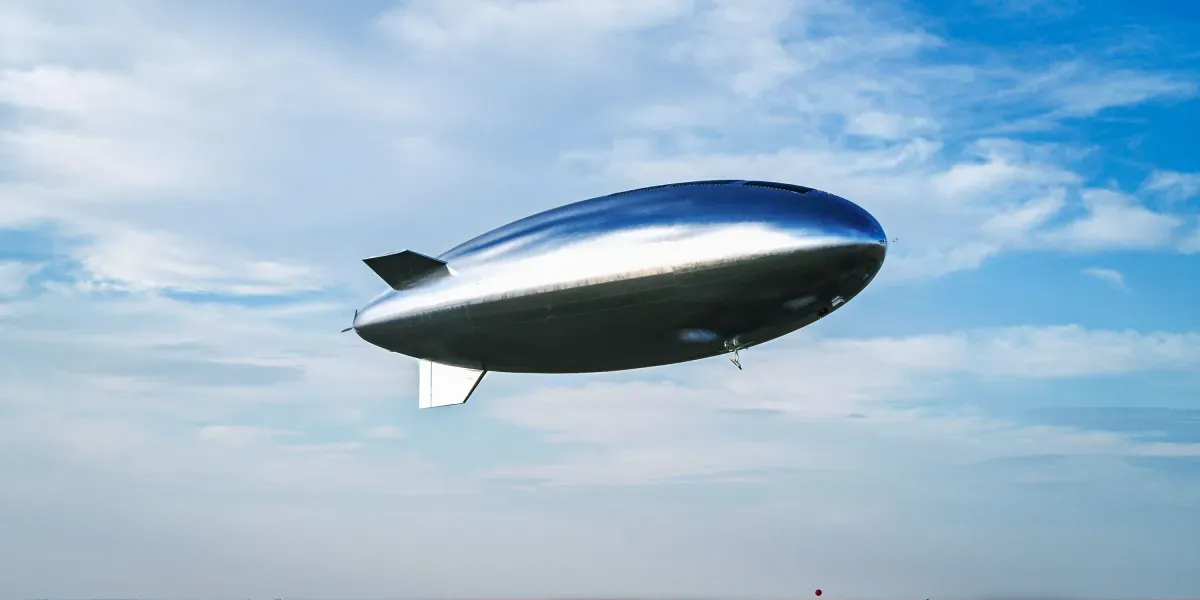
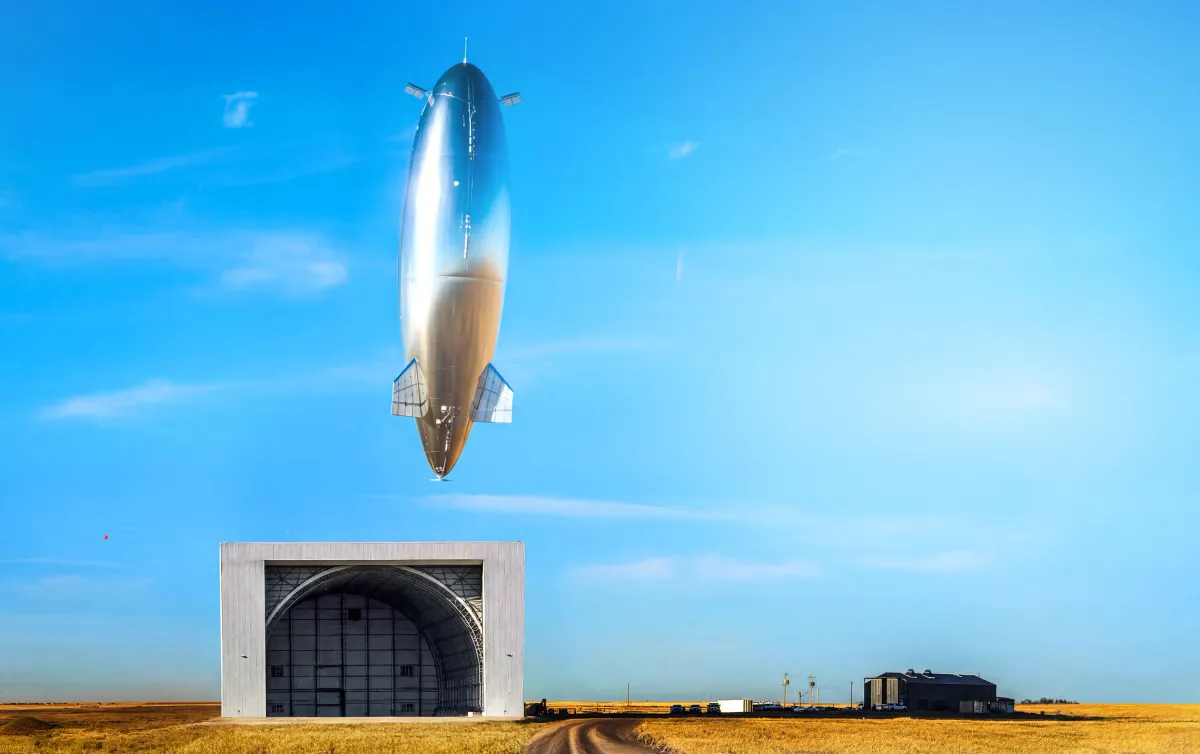
This August, a New Mexico company called Sceye is sending one of its enormous, helium-filled craft to Japan. Its mission? To float in the stratosphere and supercharge Softbank's 5G network, beaming data directly to devices below. Think of it as a satellite's much closer, less expensive cousin.
The Sky's the Limit (Almost)
Sceye is one of several companies betting big on what are called High-Altitude Platform Stations, or HAPS. These aren't your average weather balloons. We're talking about massive, oblong, solar-paneled vehicles designed to stay aloft for extended periods. Airbus, for example, sees HAPS as crucial for everything from disaster relief internet to detailed Earth observation.
We're a new kind of news feed.
Regular news is designed to drain you. We're a non-profit built to restore you. Every story we publish is scored for impact, progress, and hope.
Start Your News DetoxThe stratosphere, where these giants operate, is a surprisingly strategic spot. It's high enough to cover vast areas but low enough that sending signals requires far less energy than, say, a satellite. Sceye's CEO, Mikkel Vestergaard Frandsen, dryly notes that HAPS offer "space-like conditions" without the decidedly un-space-like price tag or logistical nightmare of actually going to space.
Of course, staying up there isn't a walk in the park. Sceye's craft needs to be light enough to defy gravity but robust enough to carry complex systems. It also has to soak up enough solar rays during the day to power an electric fan all night — a fan that nudges the platform back into position when winds try to play bouncer. A 2024 test flight proved its mettle, and just this spring, a 12-day journey saw it "parked" over Brazil's coast for 88 hours.
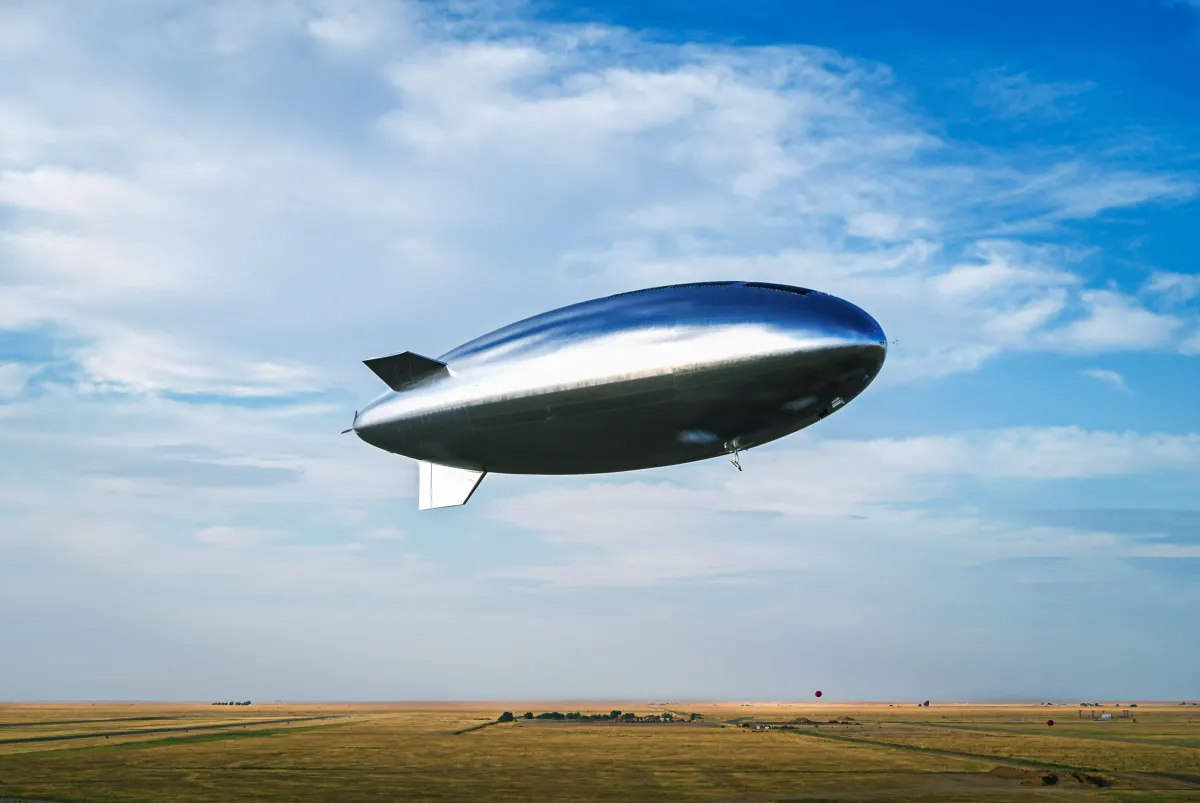
Eventually, Sceye envisions its platforms working alongside traditional satellites, filling in coverage gaps in crowded areas. Frandsen hopes that one day, spotting a HAPS will be as common as seeing ships in a port. Which, if you think about it, is both impressive and slightly terrifying.