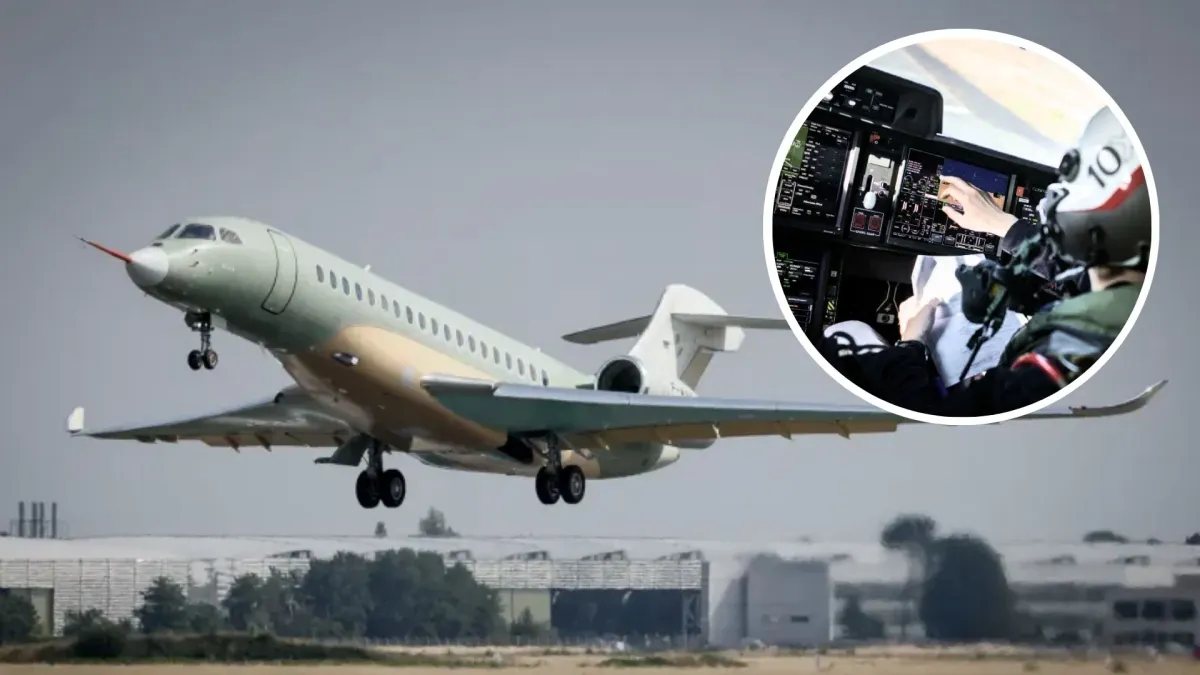
Ever wonder how NASA goes from a brilliant, slightly bonkers aircraft idea to something that actually, you know, flies? Turns out, it's not all rocket science and theoretical physics. Sometimes, it's just a really good workshop.
Deep in California, NASA's Armstrong Flight Research Center has a team called the Experimental Fabrication Branch. These are the folks who take the wildest engineering dreams for research aircraft and new tech, and turn them into actual, tangible metal and composites. Because apparently, even for a space agency, you still need someone who can really build things.

Where Ideas Take Physical Form
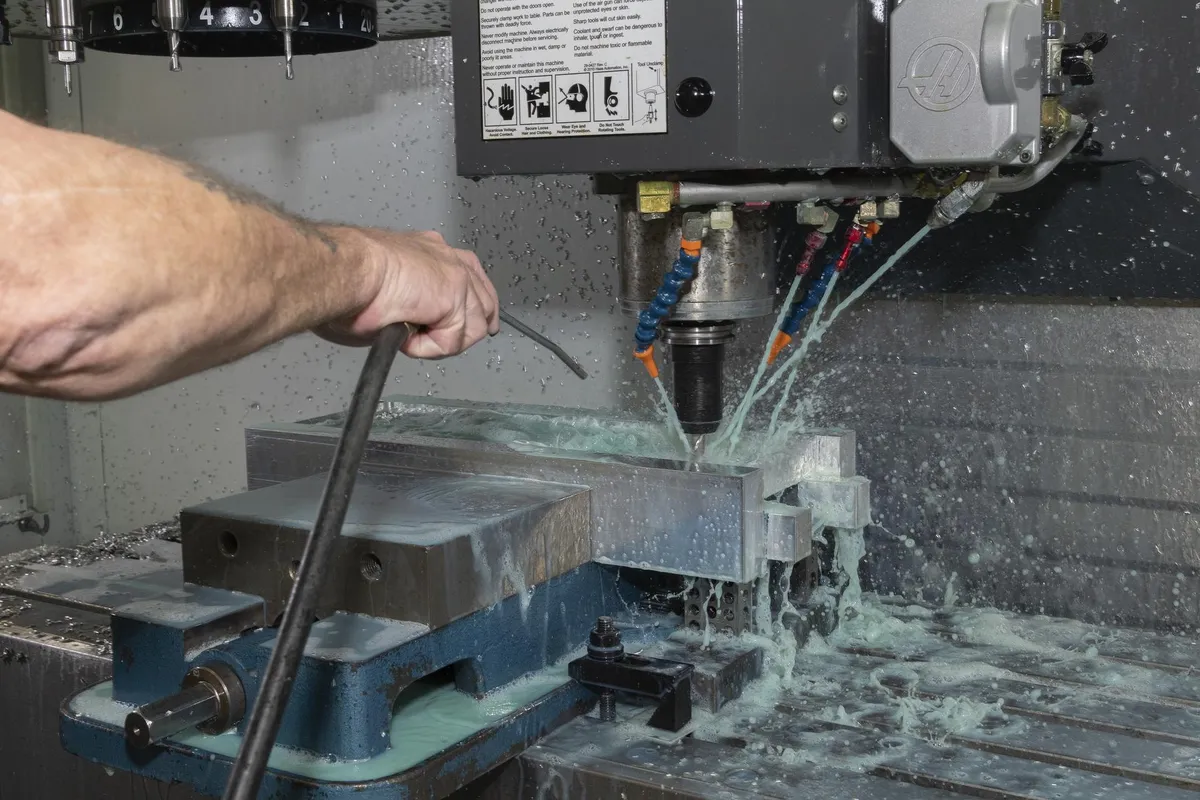
Think of them as NASA's in-house custom shop, but for planes. They're not just fixing dents; they're a full-service manufacturing and repair center. Precision machining, sheet-metal wizardry, welding that would make a sculptor weep, and composite molding — they do it all. All to make sure NASA's research and science planes are always ready for their next big experiment, or, you know, just staying in one piece.
We're a new kind of news feed.
Regular news is designed to drain you. We're a non-profit built to restore you. Every story we publish is scored for impact, progress, and hope.
Start Your News DetoxThese aren't your average garage mechanics. We're talking engineering technicians with decades of experience, crafting everything from quick prototypes to critical flight structures that absolutely, positively, cannot fall apart at 30,000 feet. The safety and performance rules are, as you might imagine, rather strict.
They're the reason a digital blueprint can become a physical sensor pod, like the AIRVUE, which helps NASA research autonomous flight. The fabrication team built it from scratch, ensuring it was flight-ready and wouldn't, say, spontaneously detach mid-air. Which, for autonomous flight research, would probably send the wrong message.
More Than Just Building
Beyond their daily dose of high-tech tinkering, this branch also moonlights in STEM education. Imagine being a kid at a robotics competition, your robot just took a critical hit, and suddenly, a NASA technician rolls up with mobile fabrication equipment to save the day. It's like a superhero origin story, but for future engineers.
They use fancy tools like Pro E/Creo and SolidWorks to turn pixels into physical hardware, but the real magic is how they integrate. Instead of tossing designs over a wall to a contractor and hoping for the best, NASA Armstrong's fabrication team is in the room from the first sketch to the final installation. This means fewer "wait, that won't actually fit" moments, and more "oh, that's brilliant" breakthroughs.
From advanced wing models to custom lightweight aircraft floorboards, these unsung heroes are quietly building the future of flight. Because sometimes, the most groundbreaking innovation starts with a skilled hand and a very precise machine.