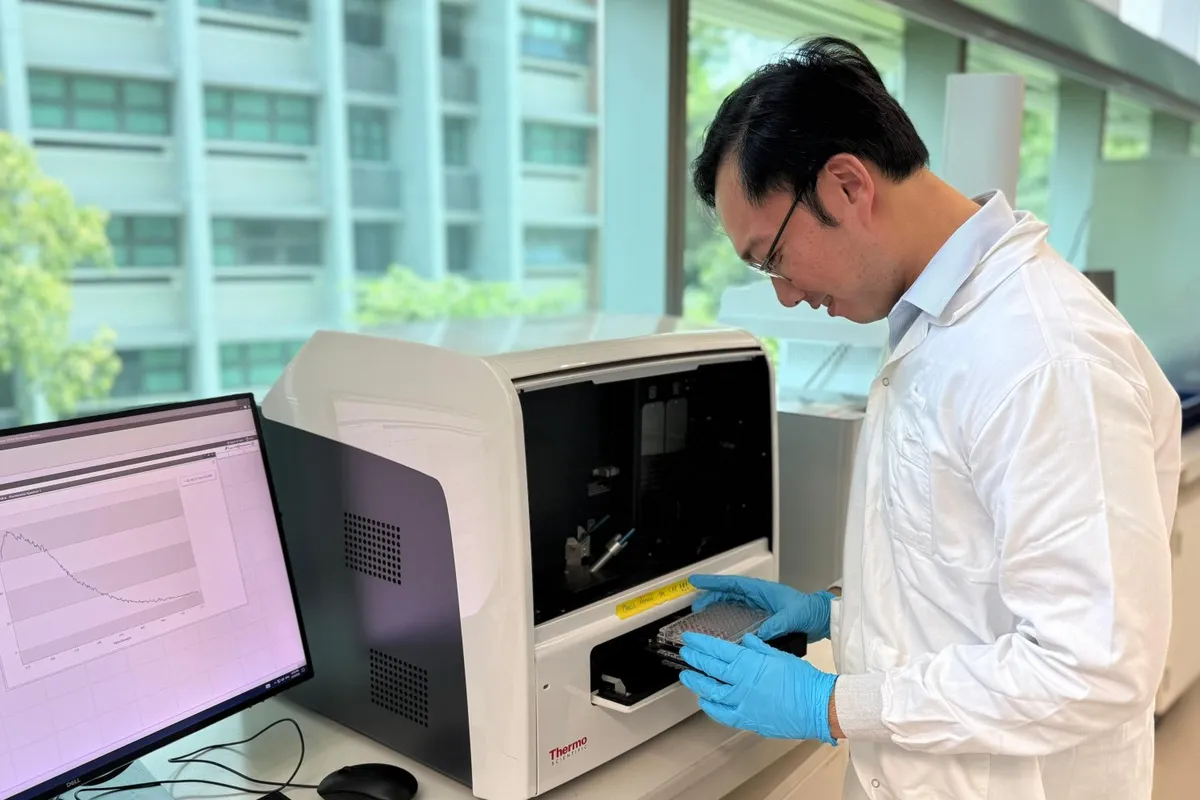
A new DNA test is making it easier for doctors to find the genetic causes of rare diseases. This test gives a much clearer picture of a person's DNA than older methods. It can also replace up to 15 other tests, making the diagnosis process faster.
Researchers from Radboud University Medical Center suggest this new test should become the main way to diagnose rare genetic diseases worldwide. Their findings were published in the New England Journal of Medicine.
Solving Rare Disease Mysteries
A disease is considered rare if it affects fewer than one in 2,000 people. There are over 7,000 known rare diseases, impacting about 400 million people globally. Around 80% of these conditions are caused by changes in genes.
We're a new kind of news feed.
Regular news is designed to drain you. We're a non-profit built to restore you. Every story we publish is scored for impact, progress, and hope.
Start Your News DetoxFor many patients, getting a diagnosis can take years. A confirmed diagnosis helps people understand their condition, predict future health, connect with support groups, and make family planning decisions.
Researchers at Radboudumc and Maastricht UMC+ studied 1,000 patients. They compared standard diagnostic tests with this new DNA analysis method.
Professor Lisenka Vissers, a specialist in translational genomics, noted that the new test led to 3% more diagnoses. She also highlighted that it can replace fifteen other tests. Because of these benefits, she recommends it as the first-choice test globally.
How the New DNA Test Works
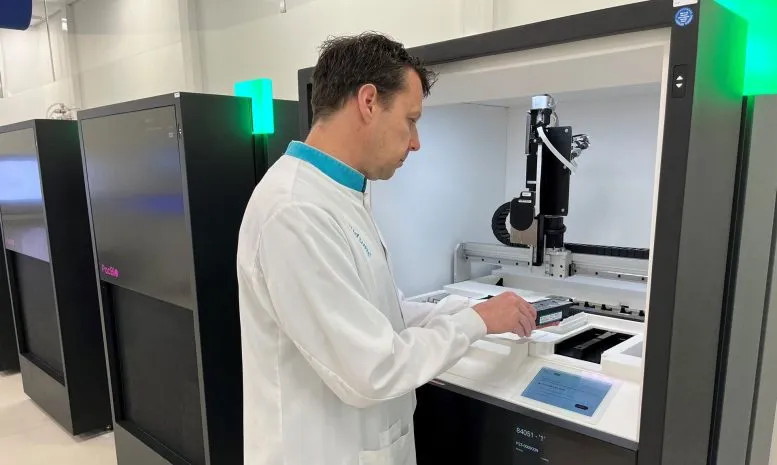
This new technology uses "long-read genome sequencing." To find genetic problems, doctors look at a person's entire DNA sequence. Older methods read DNA in small pieces, about 300 building blocks long. These pieces then need to be put together like a puzzle.
The new method can read much longer stretches of DNA, up to 20,000 building blocks at once. This is like putting together a jigsaw puzzle with much larger pieces, making it easier and more accurate to see the full picture of someone's DNA.
The test also checks for chemical changes on the DNA. These changes can turn genes on or off and might play a role in rare diseases.
Professor Christian Gilissen, an expert in genome bioinformatics, explained that these modifications are important to measure. He added that with long-read sequencing, these modifications are captured automatically, unlike older methods that need extra tests.
Growing Knowledge and Future Hope
Professor Alexander Hoischen, who specializes in genomic technologies, believes the number of diagnoses will keep growing. His team has already linked genetic abnormalities to various disorders.
He said that long-read sequencing gives a more complete view of DNA, helping detect complex and hard-to-find abnormalities. By connecting these to specific conditions, their knowledge expands, leading to more diagnoses.
The new sequencing method was also used at a recent "Undiagnosed Hackathon" in Nijmegen. Nearly 150 specialists worked together to help 33 families still searching for answers. The new test provided detailed DNA maps for all families, and with the specialists' help, led to five new diagnoses.
Deep Dive & References
Clinical Long-Read Genome Sequencing for Rare-Disease Diagnostics - New England Journal of Medicine, 2026