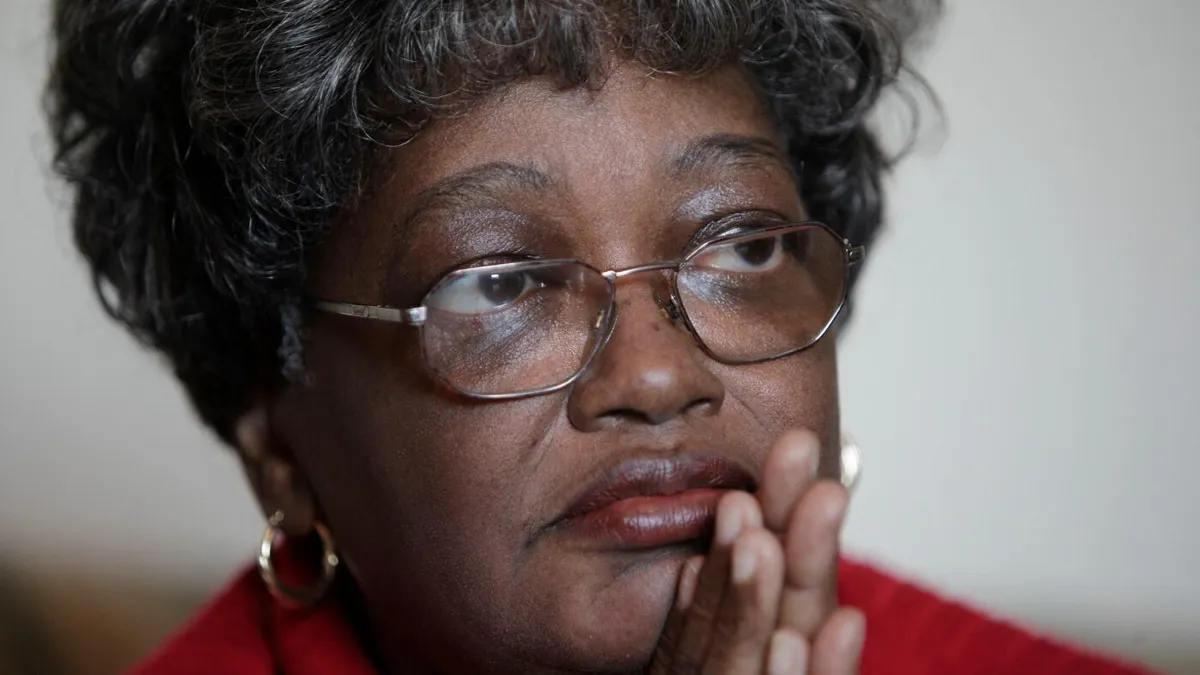
Claudette Colvin was 15 years old when she decided history had glued her to her seat.
It was 1955 in Montgomery, Alabama. She was riding a segregated bus when she refused to move to the back. Nine months later, Rosa Parks would do the same thing—and become the name everyone remembers. But Colvin's act of defiance came first, and it mattered more than most people ever knew.
Colvin died Tuesday at 86 from natural causes in Texas. Her death was announced by the Claudette Colvin Legacy Foundation.
We're a new kind of news feed.
Regular news is designed to drain you. We're a non-profit built to restore you. Every story we publish is scored for impact, progress, and hope.
Start Your News DetoxWhat made her arrest so significant wasn't just the courage of a teenager saying no to an unjust law. It was what happened next. Colvin became one of four plaintiffs in the lawsuit that eventually outlawed racial segregation on Montgomery's buses. That legal victory didn't just change one city's transportation system—it became the foundation for the Montgomery Bus Boycott, which propelled Rev. Martin Luther King Jr. into national prominence and is widely considered the spark that ignited the modern civil rights movement.
Yet for decades, her name stayed in the background. History had a different narrative ready, and Colvin lived with that erasure. In 2021, at 82 years old, she petitioned to have her arrest record expunged. It was granted. When asked why she pursued it then, Colvin was clear: she wanted younger generations to know that "progress is possible, and things do get better."
"My mindset was on freedom," she said in 2021, reflecting on that day on the bus. "So I was not going to move that day. I told them that history had me glued to the seat."
Montgomery's mayor Steven Reed captured something essential in his statement after her death: "Claudette Colvin's life reminds us that movements are built not only by those whose names are most familiar, but by those whose courage comes early, quietly, and at great personal cost."
That's the part of history that often gets left out—not the famous moment, but the first one. Not the person whose name becomes the symbol, but the person who proved it was possible. Colvin's insistence on having her record cleared wasn't about seeking recognition she'd been denied. It was about making sure the full story got told, so that the next generation would understand that change doesn't always announce itself with fanfare. Sometimes it starts with a teenager on a bus who simply refuses to move.