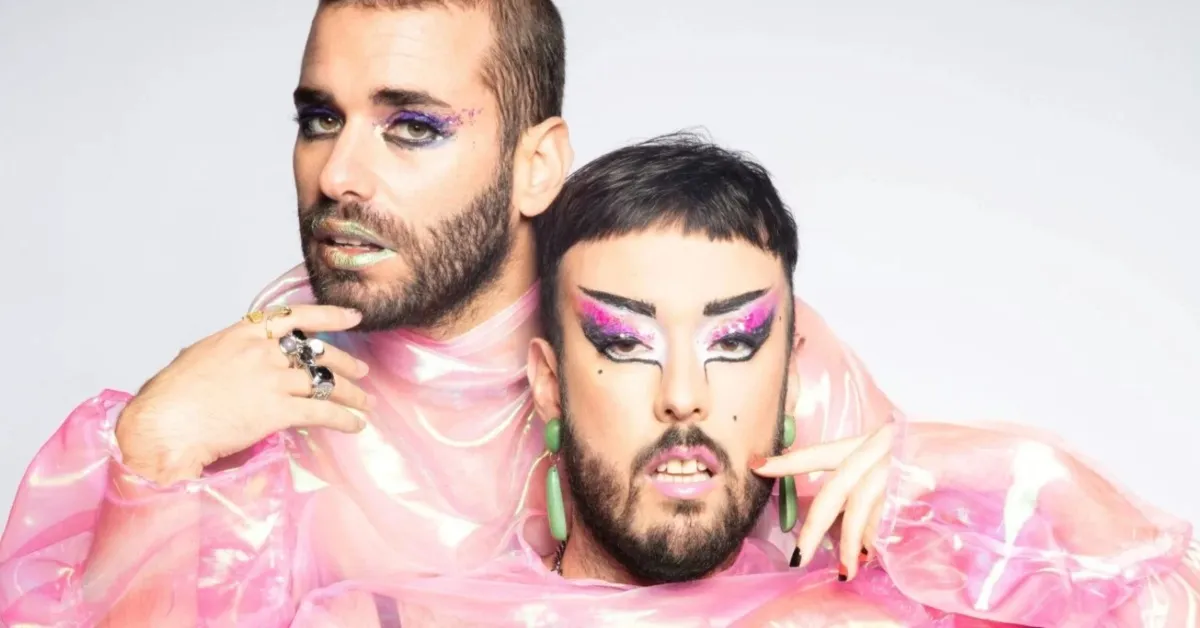
Fado music, born in Lisbon's taverns around the 1820s, has always been the soulful soundtrack of Portuguese life. It's where sailors and bohemians poured out their stories of love, loss, and longing — usually with a healthy dose of melancholy. Think of it as the original, emotionally intense folk music, now recognized by UNESCO as an Intangible Cultural Heritage. You can still hear its haunting melodies drifting from cafes and bars across the country.
But for all its rich history, musician Lila Fadista felt fado was missing a few crucial narratives. As she told Divergente, fado's core mission is to chronicle the city, love, and heartbreak. The problem? Those stories were, by and large, a bit on the heteronormative side. Fadista, inspired by a drag act in Lisbon, decided it was time to update the script.
Fado Gets a Fierce New Voice
She started incorporating drag into her fado performances, then teamed up with guitarist João Caçador. The result was Fado Bicha — which, rather wonderfully, translates to "queer fado." Since 2018, this duo has been shaking up the fado scene, dropping two albums and even starring in their own documentary, As Fado Bicha.
We're a new kind of news feed.
Regular news is designed to drain you. We're a non-profit built to restore you. Every story we publish is scored for impact, progress, and hope.
Start Your News DetoxThey've become a sensation, carving out a space for queer stories in a genre that's been around for two centuries. Caçador explained to Bandcamp that growing up queer in Portugal, he rarely saw himself reflected anywhere. For him, making music that didn't acknowledge these experiences felt far more challenging than creating music that did. Fado Bicha, then, wasn't just a choice; it was an inevitability.
It’s a powerful thing, taking a beloved cultural tradition and expanding its embrace. Now, new generations can hear their own stories whispered — or rather, sung with dramatic flair — through the timeless, melancholic beauty of fado. Which, if you think about it, is exactly what fado was always meant to do.