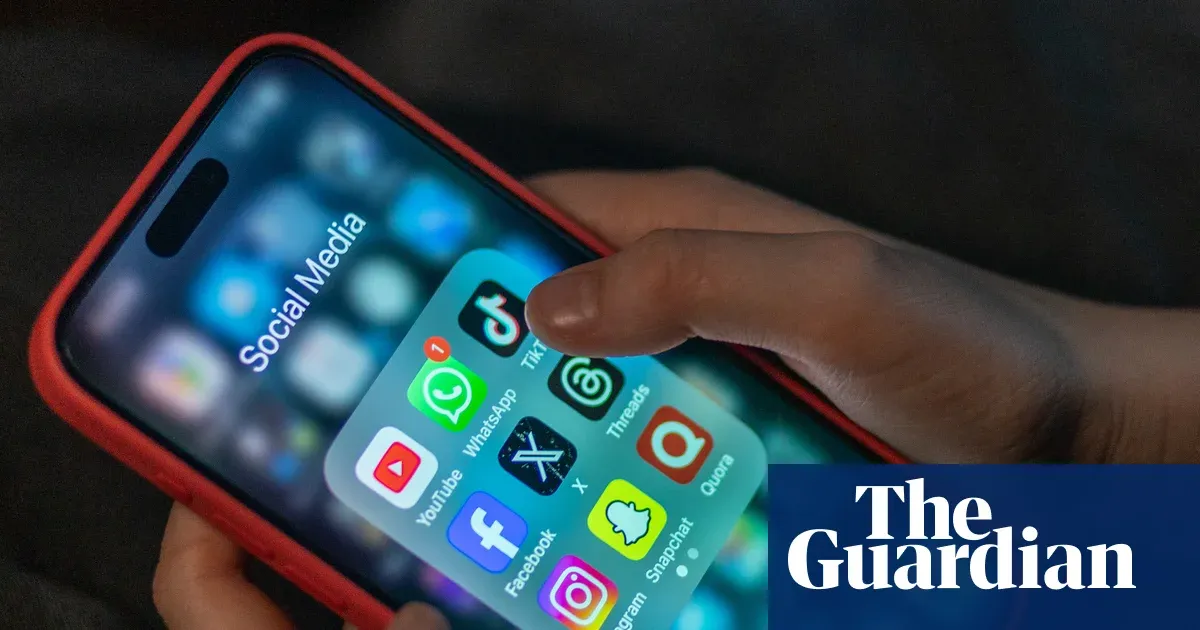
For the first time, researchers are running a large-scale experiment to see what actually happens when you restrict teenagers' access to social media — not in theory, but in real life.
The study, launching this October across 30 secondary schools in Bradford, will follow about 4,000 students in years 8, 9, and 10. Half will use social media normally. The other half will have their access to TikTok, Instagram, and YouTube capped at one hour daily, with a complete blackout from 9pm to 7am. After six weeks, researchers will measure changes in anxiety, sleep, friendships, and mental health.
"We know that if we take away social media for one adolescent, that might have a very different impact than if we take it away for their whole friendship group," said Prof Amy Orben of the University of Cambridge, who leads the research. That distinction matters — peer effects are real, and isolating one teenager from what everyone else is doing might feel different than a coordinated pause.
We're a new kind of news feed.
Regular news is designed to drain you. We're a non-profit built to restore you. Every story we publish is scored for impact, progress, and hope.
Start Your News DetoxWhy does this matter now? Because governments are moving fast. Australia became the first country to ban under-16s from social media entirely in December. The UK government is under pressure to follow. Members of the House of Lords are preparing to vote on a similar ban, with a government consultation promised by summer. But here's the gap: while experts agree some aspects of social media harm most children, nobody has actually run a rigorous, large-scale trial measuring what happens when you restrict it in a healthy population. Policy is outpacing evidence.
This study won't have all the answers by the time lawmakers vote. The first results won't arrive until summer 2027. But Orben's team is deliberately measuring the mechanisms that matter most — not just anxiety levels, but also sleep patterns, bullying incidents, and social comparison, the quiet corrosive force of watching curated versions of other people's lives.
The research has real limitations. Six weeks is short. Bradford is not the whole country. And you can't truly randomize a ban at the national level, so controlled trials like this are the closest thing to real evidence policymakers will get. "The decision that policymakers need to make is up to them," Orben said. "We're really just delivering the best quality evidence we can in the timeframes that are available."
What happens next depends on whether governments can hold their nerve long enough to let the data speak.