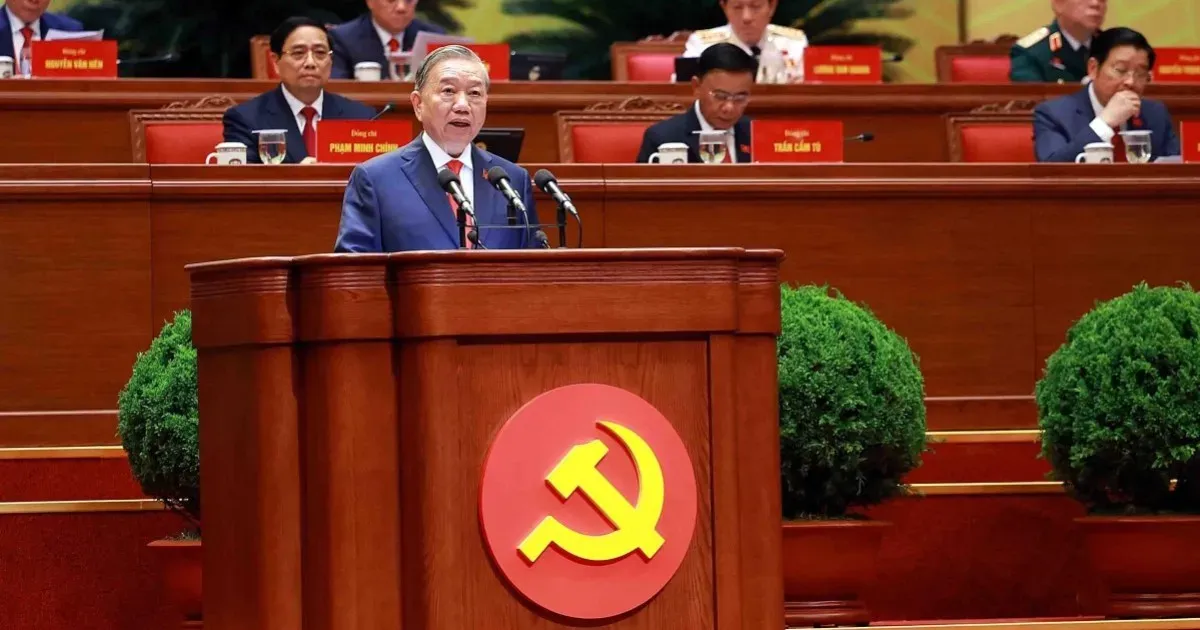
Vietnam's leader To Lam has set an ambitious agenda: fight corruption, streamline government, and push annual economic growth above 10 percent through 2030. He laid out the vision this week at a major Communist Party congress in Hanoi, speaking to nearly 1,600 delegates about the work ahead.
Lam, 68, has already moved fast since taking office 17 months ago. He's eliminated eight ministries or agencies, cut nearly 150,000 government jobs, and pushed through major rail and power projects. The pace has been striking enough that analysts see it as a signal of his authority — and his likely consolidation of both party chief and state presidency roles, a dual position that would give him what observers call the strongest mandate for Vietnamese leadership since the Vietnam War ended.
But the real test isn't speed; it's follow-through. Vietnam's Communist Party documents acknowledge a chronic problem: "the law is sound but implementation is difficult." There's "much talk, little action," the party noted, and it's eroded public trust and wasted resources. Lam's speech directly addressed this gap. He stressed that "all wrongdoings must be dealt with" and called for tackling "wastefulness and negativity" in government. The party is also committing to fight corruption while recognizing that the private sector is now crucial to the economy — a significant acknowledgment in a one-party state.
We're a new kind of news feed.
Regular news is designed to drain you. We're a non-profit built to restore you. Every story we publish is scored for impact, progress, and hope.
Start Your News DetoxThe economic target of 10 percent annual growth is ambitious but grounded in context. Vietnam has weathered natural disasters, supply chain disruptions, and geopolitical tension. Lam's strategy hinges on cutting red tape and expanding global trade to protect Vietnam's independence. Infrastructure adaptation for climate change and stronger regional connectivity are also priorities.
What makes this moment notable isn't just the pledges — it's that Lam is naming the problems publicly. Acknowledging that laws exist but don't get enforced, that bureaucracy wastes resources, that the gap between intention and action has cost the country trust. That's the first step toward closing it. The congress will set formal goals through 2030, but the real measure will come in whether the next decade shows the implementation to match the ambition.