Picture this: 79 CE. Mount Vesuvius is doing its best impression of an angry god. Ash and pumice rain down, burying Pompeii in a flash-frozen moment of time. We all know about the plaster casts, the haunting silhouettes of a city caught unawares. But apparently, the volcano preserved something even more ephemeral: the very smells of ancient Rome.
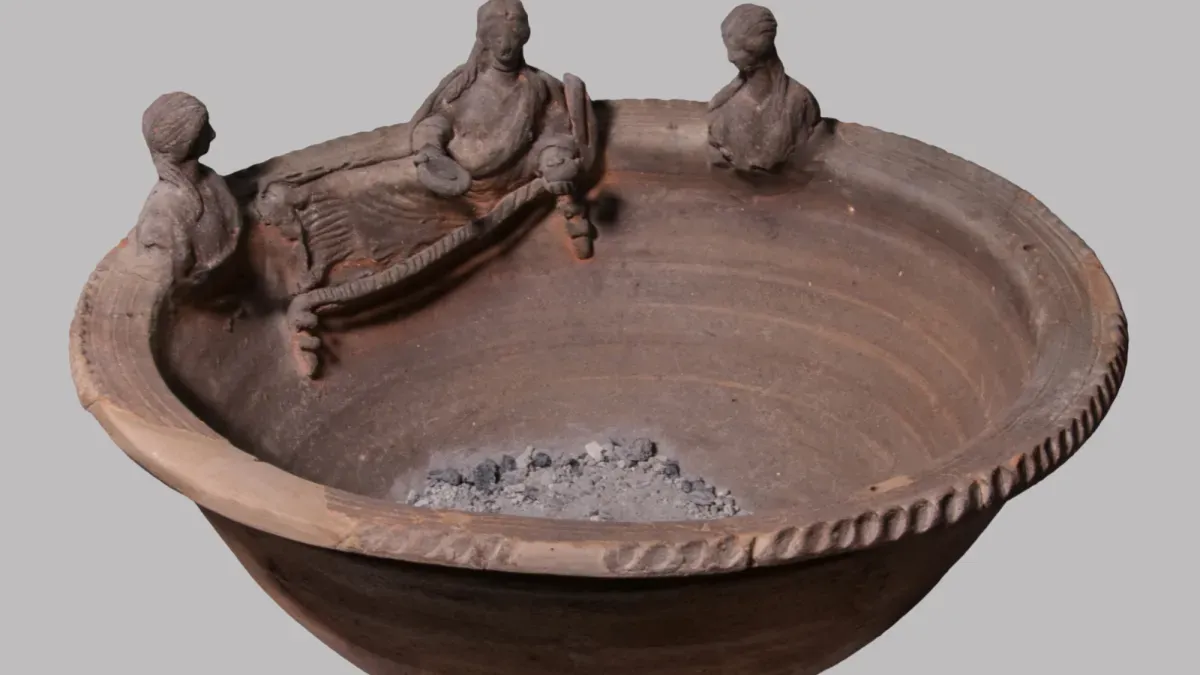
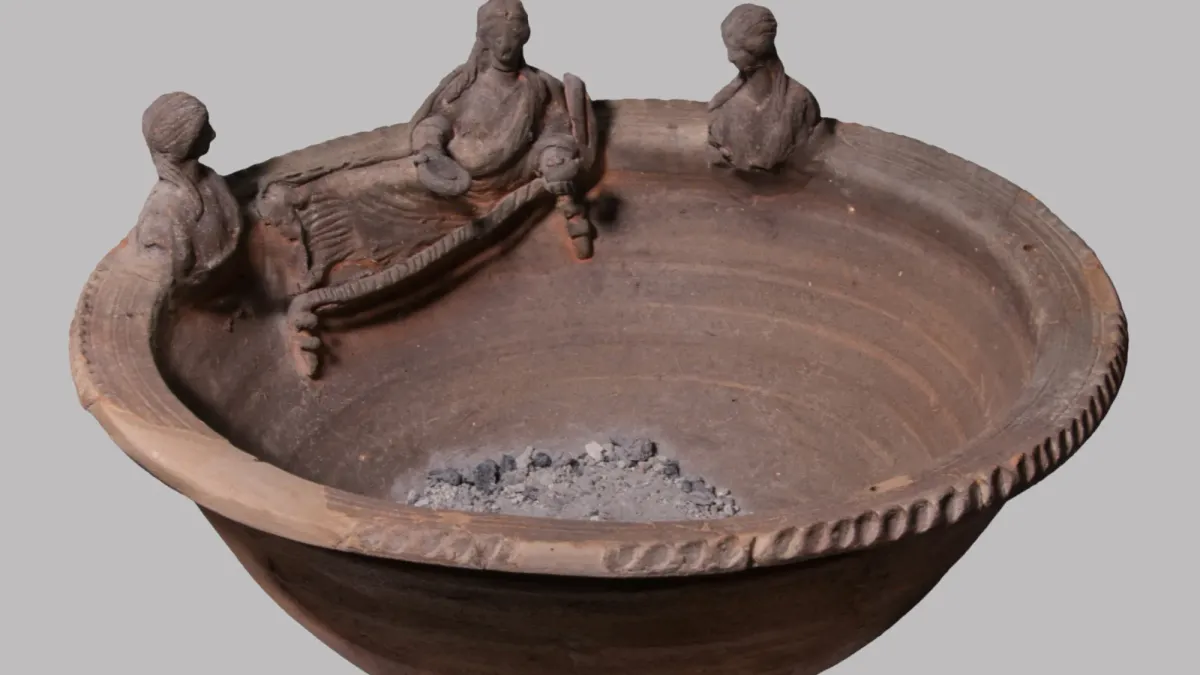
Turns out, amidst the chaos, tiny clues were locked away in volcanic debris: ash from incense burners. Because if you're going to get buried by a supervolcano, you might as well smell good doing it, right?
Sniffing Out History
Scientists recently got their hands on ash from two incense burners — one from Pompeii itself, another from a nearby villa. These weren't just for ambiance; ancient Romans used them for sacrifices to their pantheon of gods. And what did the researchers find when they got their scientific noses in there? A surprisingly complex bouquet.
We're a new kind of news feed.
Regular news is designed to drain you. We're a non-profit built to restore you. Every story we publish is scored for impact, progress, and hope.
Start Your News DetoxJohannes Eber, an archaeologist from the University of Zurich and lead author of the study, noted they could now pinpoint the exact fragrances used in these Pompeian rituals. We're talking local plants, sure, but also tree resins that likely hitched a ride all the way from tropical Africa or Asia. Which, if you think about it, is both impressive and slightly terrifying for their supply chain management.
This marks the first time anyone has scientifically poked around the burnt contents of Pompeian incense burners. It's perfectly timed with a new exhibition at the Pompeii Archaeological Park, showcasing all sorts of organic remains, from wooden artifacts to ancient snacks and plant bits.
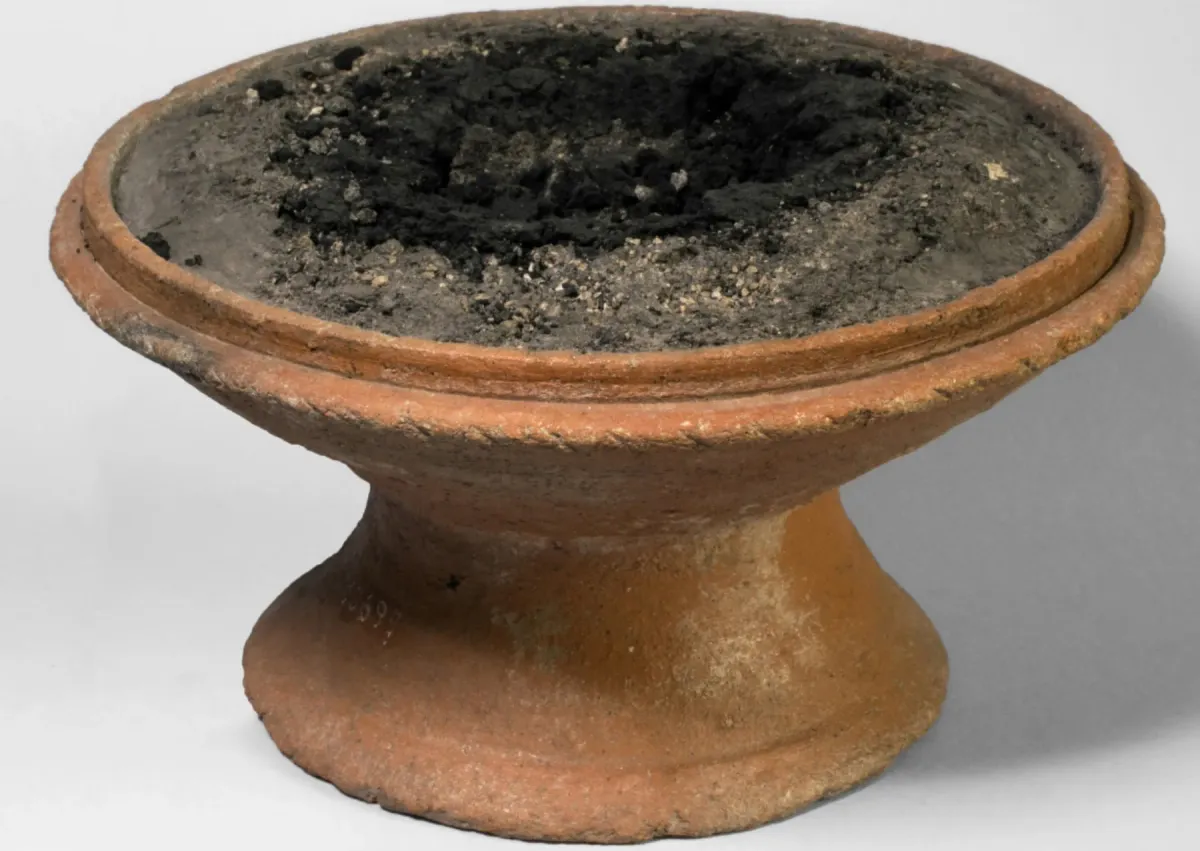
Adding another layer to this olfactory history, biomolecular archaeologist Maxime Rageot found traces of a grape product in one burner. This backs up what art and texts have long hinted at: wine was definitely part of Roman rituals. And it really drives home how crucial good old molecular analysis is for making archaeology truly… vivid.
So, while we've already managed to recreate the scent of ancient Egyptian mummies (because, why not?), the idea of one day walking into a reconstructed Roman house in Pompeii and actually smelling what it was like? Let's just say that's a whole new level of immersive history. Just, you know, without the impending volcanic doom.