Ramon "Chin-Chin" Uy Jr. remembers when organic farming felt like a fringe idea. It was 2005, and chemical fertilizers were cheap. Most farmers on Negros Island saw no reason to change. Then oil prices spiked, and suddenly the math shifted. Conventional agriculture's dependence on fossil fuels became a liability instead of a given.
That vulnerability sparked something in Uy. He and his wife started a composting business, turning organic waste into fertilizer. By 2006, he'd planted his own organic farm—not just to grow food, but to prove it could work at scale. Nearly two decades later, that experiment has quietly reshaped an entire island.
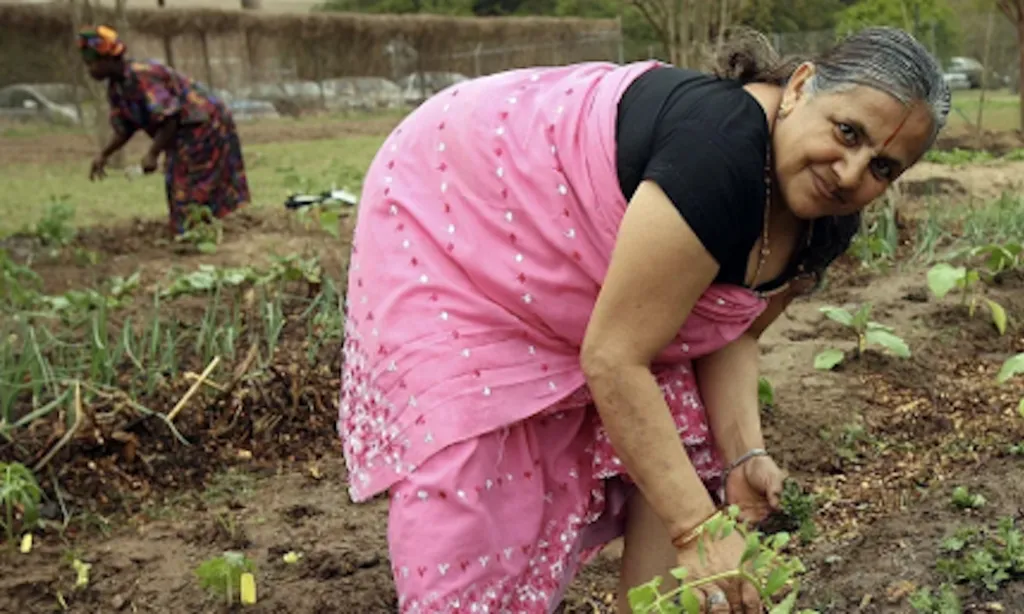
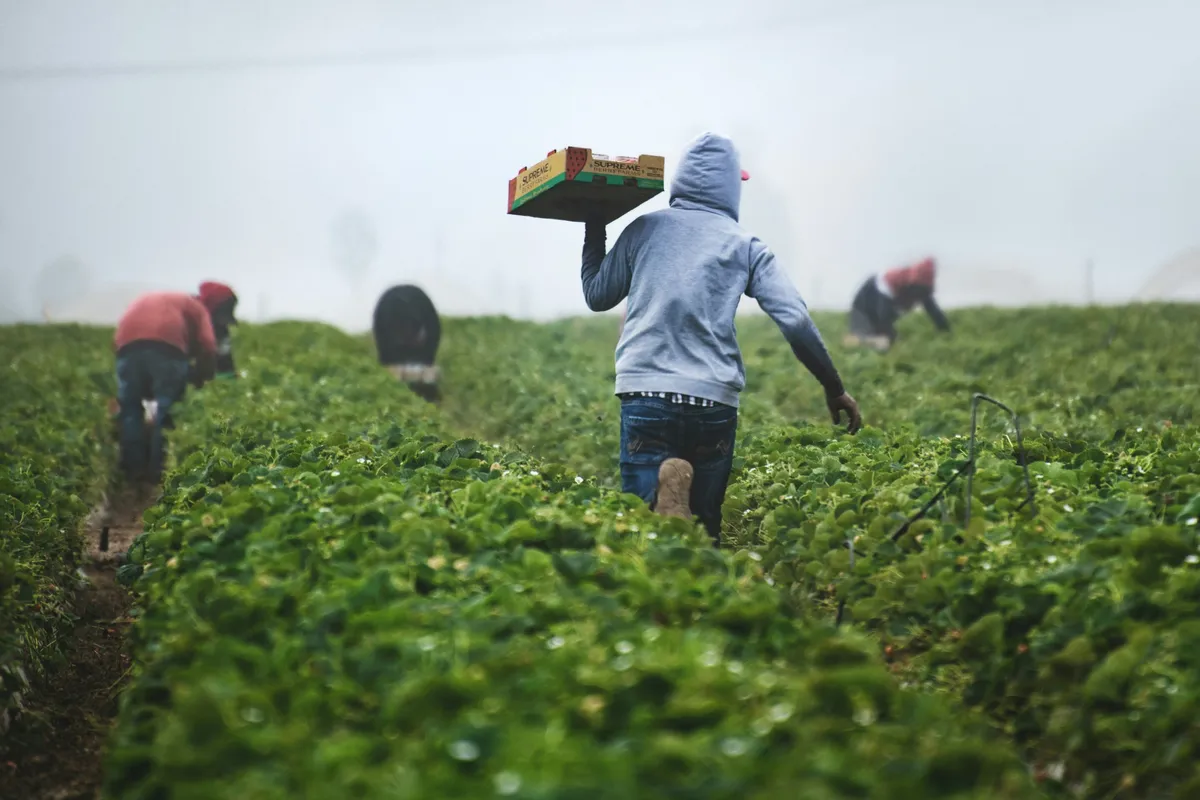
Negros Island now hosts roughly 20,000 hectares of organic farmland—nearly 50,000 acres—farmed by around 20,000 small-scale farmers and farming households. It's not a government mandate or a corporate initiative. It's a network of people who decided that soil health and fair prices mattered more than cheap chemicals.
We're a new kind of news feed.
Regular news is designed to drain you. We're a non-profit built to restore you. Every story we publish is scored for impact, progress, and hope.
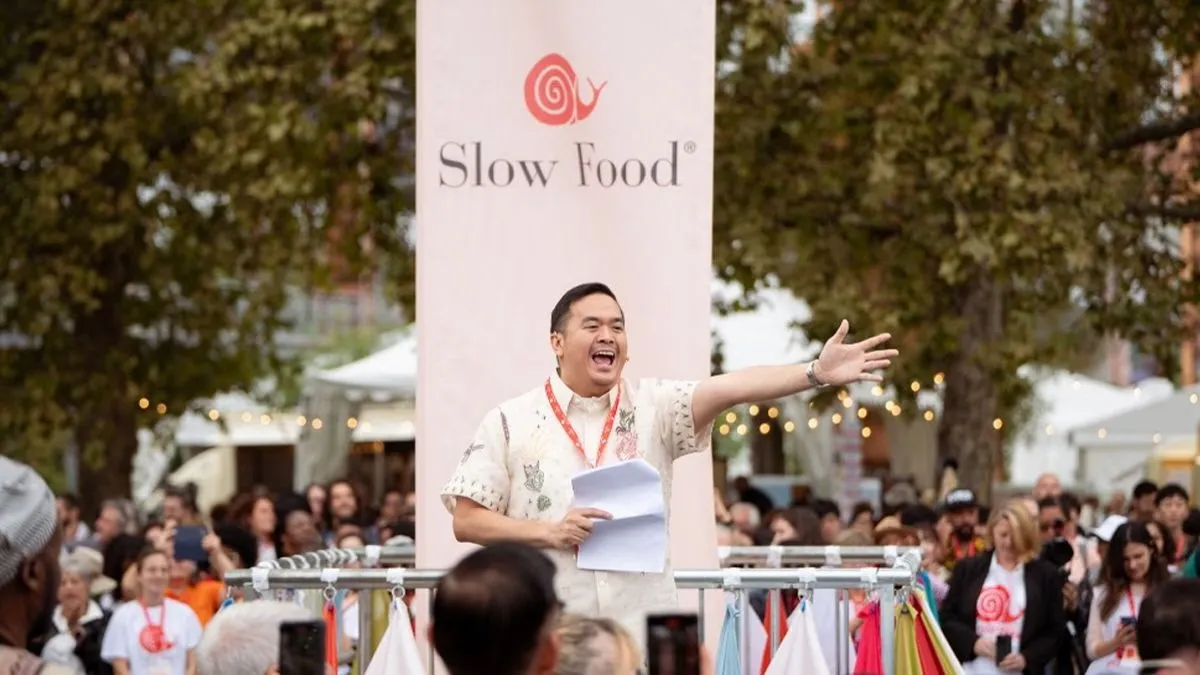
Start Your News DetoxLast November, Slow Food—the global "good food" movement—chose Bacolod City on Negros to host its first-ever regional conference for Asia and the Pacific. Farmers, chefs, food artisans and policymakers gathered to discuss agroecology, biodiversity and climate-resilient food systems. The choice wasn't random. Uy, now a Slow Food councilor for Southeast Asia, had spent years building exactly the kind of food ecosystem that Slow Food champions: one where producers, markets and institutions connect directly, where people can access healthy, locally grown produce at fair prices.
What makes Negros's story compelling isn't that it's perfect. It's that it's real. Twenty thousand farmers didn't wake up one morning committed to agroecology. They made incremental choices—often driven by economics as much as ideology. Uy's work created the conditions for those choices to compound: composting infrastructure, market connections, proof that organic methods could sustain livelihoods.
Barcolod now functions as the urban spine linking all of this together. A city that sources from its hinterland. Restaurants that know their suppliers. Farmers with reliable buyers. It's a model that sounds obvious until you realize how rare it actually is.
The momentum matters. As climate pressures mount and global supply chains prove fragile, regions that have already built resilient, localized food systems have a head start. Negros isn't waiting for the next crisis to figure out how to feed itself.