August 12 marks World Elephant Day, a moment to reflect on how these colossal creatures are navigating a planet that's, shall we say, undergoing some serious renovations. Their ability to adapt is, frankly, astounding. Their future, however, hinges on whether we can keep their homes connected and healthy.
Take the Asian elephants in Malaysia, for example. As their lush forest homes get chopped and changed, these giants are essentially becoming gourmet foragers. Instead of sticking to their usual menu, they're branching out, tasting new plants, and making do with whatever's available. It's a testament to their resilience, but also a glaring neon sign pointing to the relentless pressure on their habitats.

In logged forests, they've perfected the art of the diverse diet, ensuring they get their nutritional fill even when their favorites are scarce. It’s like a five-star chef having to whip up a feast from whatever's left in the pantry after a sudden power outage. Impressive, really.
We're a new kind of news feed.
Regular news is designed to drain you. We're a non-profit built to restore you. Every story we publish is scored for impact, progress, and hope.
Start Your News DetoxBut then there's the oil palm problem. In areas dominated by these plantations, elephants largely ditch their varied menu for an all-you-can-eat oil palm buffet. Which, if you think about it, is both practical for them and a massive headache for the humans trying to harvest the crops. As study author Mohammad Saiful Mansor put it, their adaptability often shoves them right into our backyards, sparking conflicts that no one really wants.
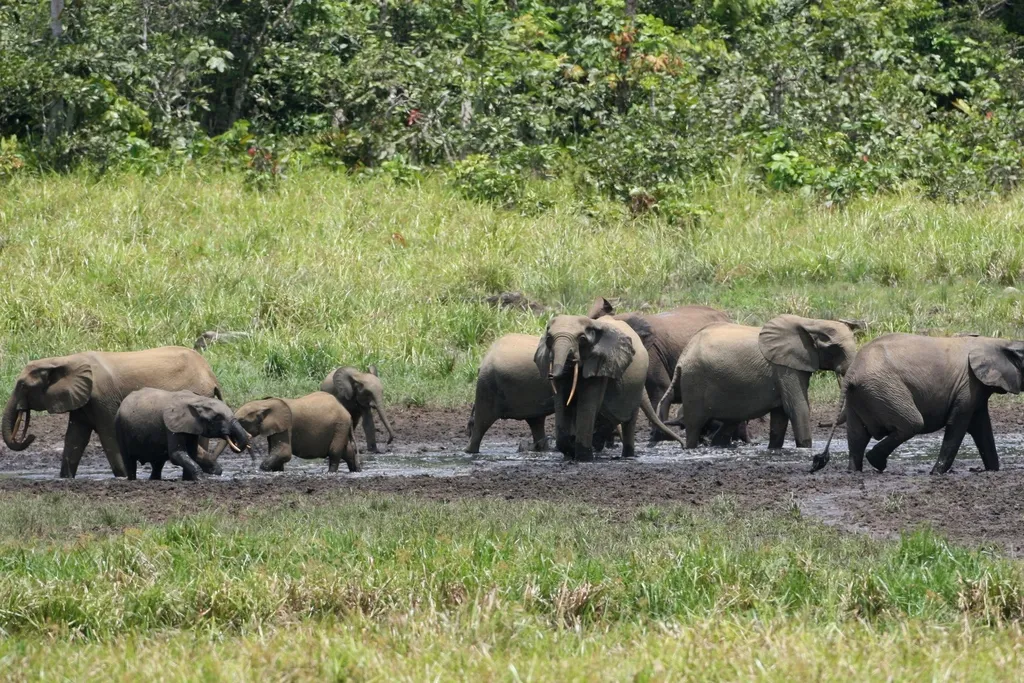
Meanwhile, in Central Africa, forest elephants are usually as elusive as a quiet toddler. They're masters of camouflage in the dense rainforests, making a sighting a truly rare event.
Except, that is, for a magical place called Dzanga Bai. This mineral-rich clearing is affectionately known as the "village of elephants." It's like the world's most exclusive spa for pachyderms, drawing them out of the thick forest to gather in numbers rarely seen elsewhere. It’s a powerful reminder that even as they adapt to our world, there are still pockets where their world thrives.