On Tuesday morning, a group of undergraduate engineers at Cornell University did something no one had done before: they deployed a spacecraft powered entirely by sunlight, with no fuel tank in sight.
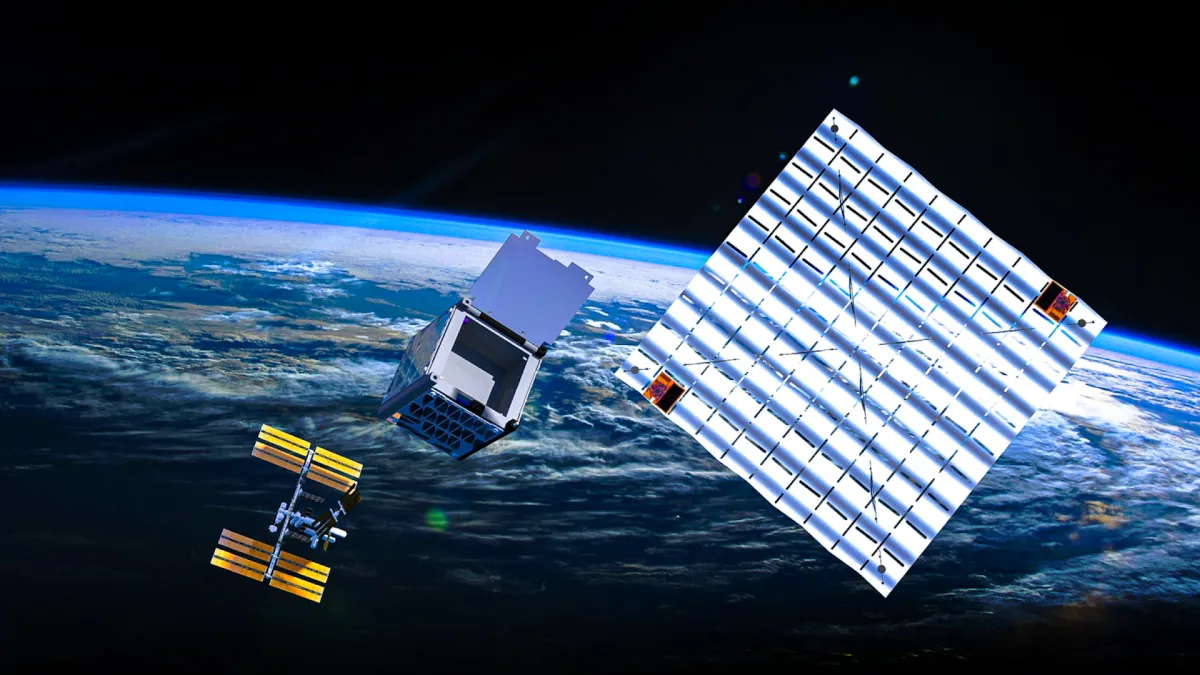
The Alpha CubeSat, built by students in Cornell's Space Systems Design Studio, released a light sail from the International Space Station—and then watched it fly away on its own. At just 100 grams (0.2 pounds) and half a meter across, it became the smallest free-flying light sail ever sent to orbit. The sail itself is thinner than a human hair.
How a light sail actually works
The concept sounds like science fiction, but it's physics. When photons from the sun bounce off the sail's super-reflective surface, each one delivers a tiny push. Alone, the force is negligible. But accumulated across billions of photons hitting the sail continuously, the effect becomes propulsion—without burning a single drop of fuel.
We're a new kind of news feed.
Regular news is designed to drain you. We're a non-profit built to restore you. Every story we publish is scored for impact, progress, and hope.
Start Your News DetoxThe Planetary Society demonstrated this in 2019 with LightSail 2, which proved the concept could work in low Earth orbit. But that sail remained tethered to its parent spacecraft. The Cornell team took the next step: they built a sail that detaches completely and flies independently, with its own onboard computers (tiny "ChipSats") handling power, navigation, and communication.
The engineering challenge was brutal. The sail needs to be impossibly thin and light to catch the sun's momentum effectively. The Cornell team chose a retroreflective polycarbonate material and designed a spring-loaded compartment door that deploys the sail in near-instantaneous fashion—far faster than conventional light sails, which can take hours to unfold. Speed matters because every second of deployment is a second the sail isn't catching photons.
After the team established contact with the satellite following an initial communications hiccup, they sent the command to open the door. The sail deployed as designed.
Why this matters to the people who built it
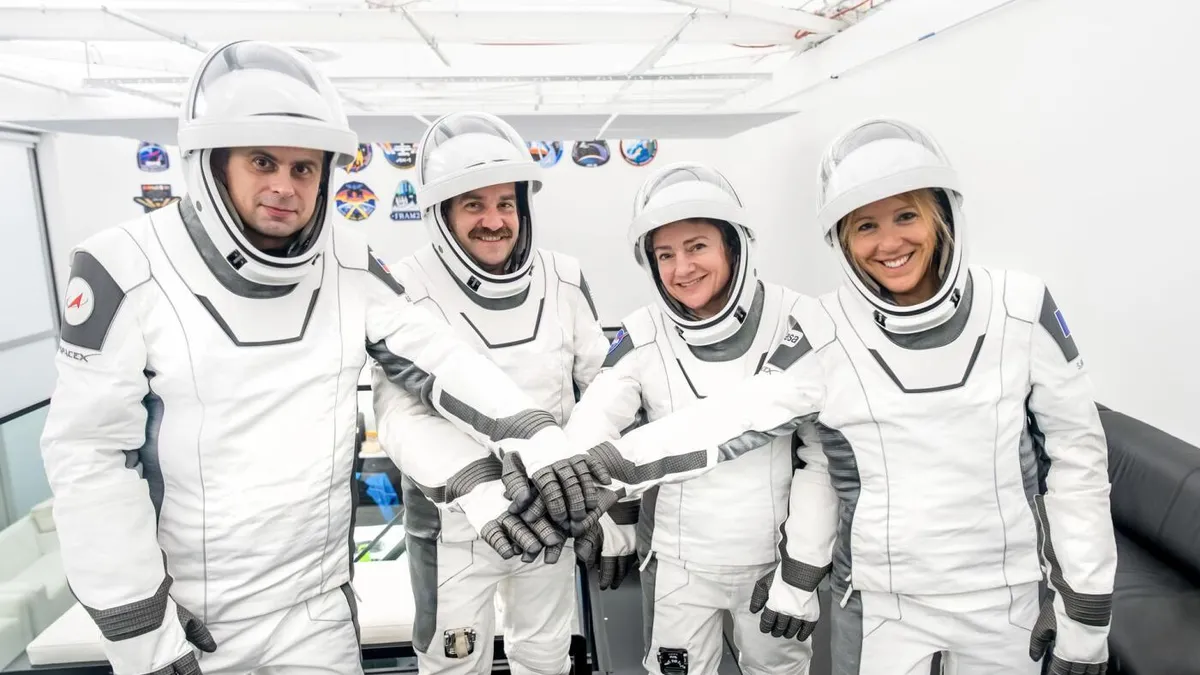
For the undergraduates involved, the moment was something else entirely. "Most undergrads never get to touch anything going to space," said Apurva Hanwadikar, the team's integration and testing lead. This mission gave them exactly that—not a simulation, not a theoretical exercise, but a real spacecraft they designed, built, and deployed from the ISS.
The light sail will orbit for roughly two days before atmospheric drag pulls it back to Earth. That's a short window, but it's long enough to gather data on how photon propulsion performs in the actual space environment. That data becomes the blueprint for what comes next: probes that could sail far beyond Earth's orbit, potentially reaching distant planets or even interstellar space, powered by nothing but starlight.
The students are now in full data-collection mode, analyzing every signal the sail sends back. In the long arc of spaceflight, two days in orbit might seem brief. For a group of undergraduates who built something that's never existed before, it's the beginning of something much larger.