Animals do many things to attract mates. Birds, for example, have colorful feathers. Think of a hummingbird's bright plumage or a peacock's famous tail.
Charles Darwin, a pioneer in evolution, believed these colors exist because other birds find them attractive. But he also wondered why humans find these colors beautiful.
Darwin noted that some animals have "nearly the same taste for the beautiful as we have." This simple idea suggests our sense of beauty might be rooted in biology, shared with other animals.
We're a new kind of news feed.
Regular news is designed to drain you. We're a non-profit built to restore you. Every story we publish is scored for impact, progress, and hope.
Start Your News DetoxOver a century later, researchers decided to test Darwin's idea.
Testing Shared Preferences
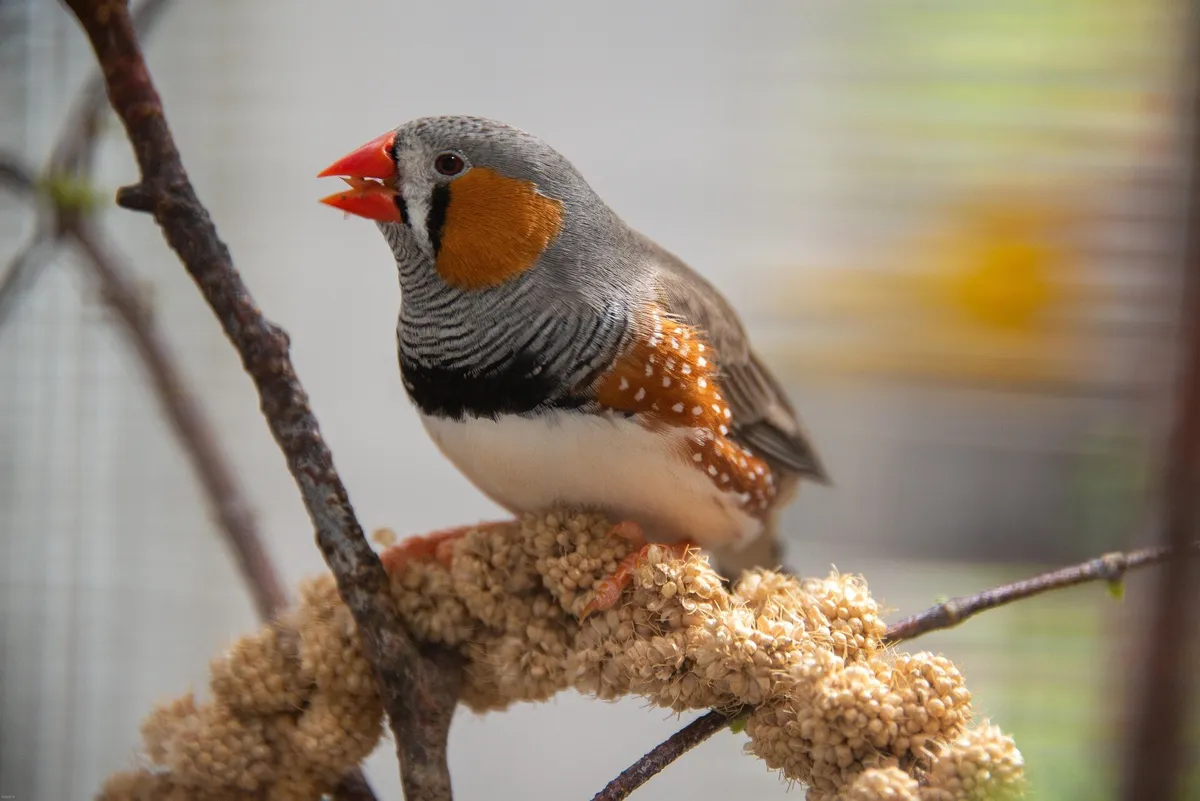
The research team, specializing in animal communication, focused on sound. They had worked with species like zebra finches, fringe-lipped bats, and túngara frogs.
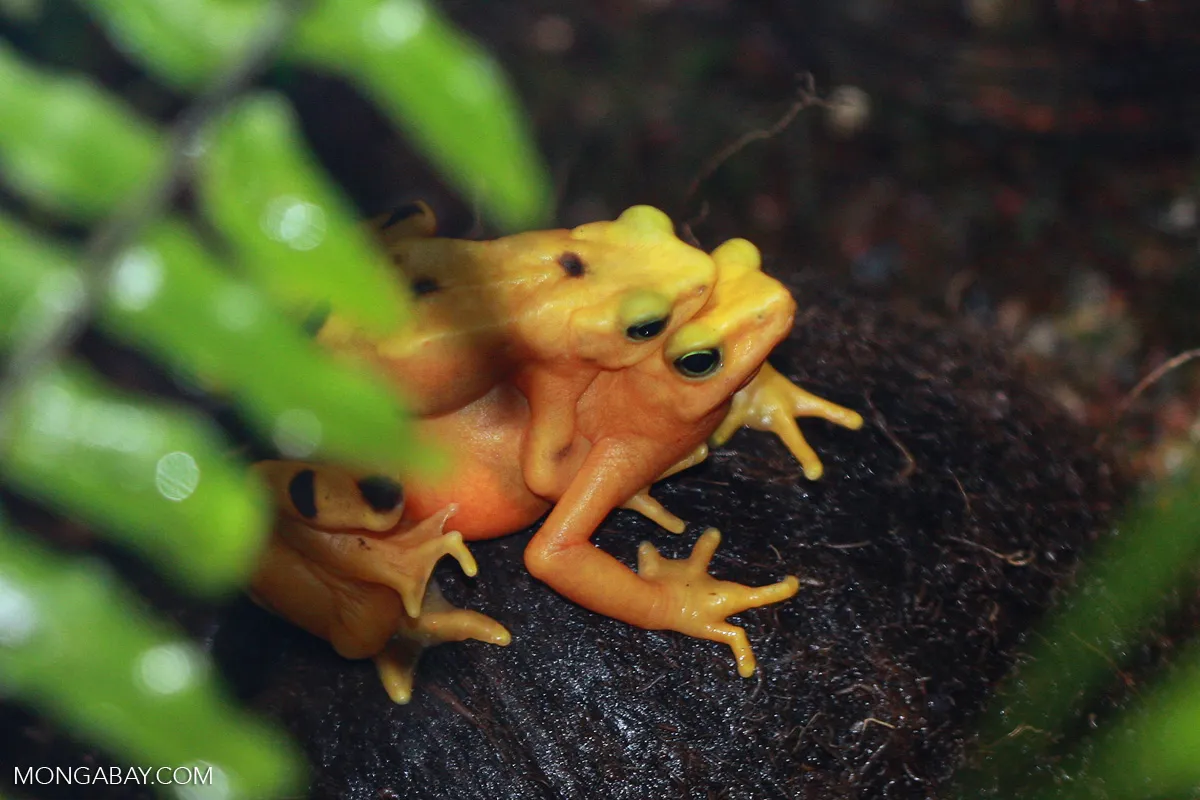
For instance, they observed female túngara frogs in Panama. These frogs would hop toward speakers playing calls they preferred. The question was: Could humans and these tiny frogs be attracted to the same sounds?
To properly test Darwin's idea, the team needed two things. First, a large collection of animal sounds already tested on animals. Second, many human listeners to share their opinions.
They gathered 110 pairs of sounds from 16 species, including frogs, insects, birds, and mammals. These sounds were all used to attract mates. Scientists had already identified which sound in each pair animals preferred.
For human input, they created an online experiment. Over 4,000 people worldwide participated. The task was simple: listen to each pair of sounds and choose the one they liked more.
Surprising Results
The results were remarkable. Across all the data, people generally agreed with the animals about which sound was more pleasant. This included animals separated from humans by millions of years of evolution.
The stronger an animal's preference, the more likely humans were to agree. Humans also clicked faster on sounds animals found more attractive. This suggests a subconscious element to these shared preferences.
People especially agreed with animals on "adornments." These are the extra trills, chucks, clicks, and flourishes animals add to their calls. Both animals and humans found these sounds more appealing.
Why Do We Agree?
This is a key question that needs more study. The current research suggests that the structure of the nervous system might drive these shared preferences. Despite the vast diversity of life, many basic sensory system structures are similar across species. Shared ways of perceiving sound might lead to shared biases in sound preference.
Many factors did not predict agreement. Experts in animal sounds or trained musicians did not judge differently than others. However, people who listened to music more often daily agreed with animals more. This is a surprising finding worth further investigation.
The study focused on sound, but Darwin's original idea was about color. Do humans share visual preferences with animals? What about smell? Researchers also want to know what happens in our brains during these quick aesthetic judgments. Are the same brain circuits active when a human and a frog choose the same call?
Animal preferences are often subtle and vary among individuals. While we can't ask birds what they think of frog calls, we can ask humans.
There were also cases where humans disagreed with animals. The results show a tendency, not a strict rule. Understanding where this variation comes from will be interesting.
The research offers a simple reminder. Humans find great beauty in nature, from butterfly colors to bird songs and flower scents. Yet, these evolved to attract other species, not us. Perhaps we find them beautiful because we share something fundamental with other animals.
Deep Dive & References
The Descent of Man - Darwin Online The Expression of the Emotions in Man and Animals - Charles Darwin, 1872 Animal communication expert - Google Scholar Zebra finches study - Current Biology, 2017 Fringe-lipped bats study - Proceedings of the Royal Society B, 2025 Túngara frogs study - Biology Letters, 2022 We needed data to find out - Science, 2026 Gamified online experiment - The Music Lab People tended to agree with the animals - Science, 2026 Animal's preference - Phys.org, 2026 Similar across species - Neuroscience & Biobehavioral Reviews, 2000 Shared biases - Trends in Ecology & Evolution, 1998