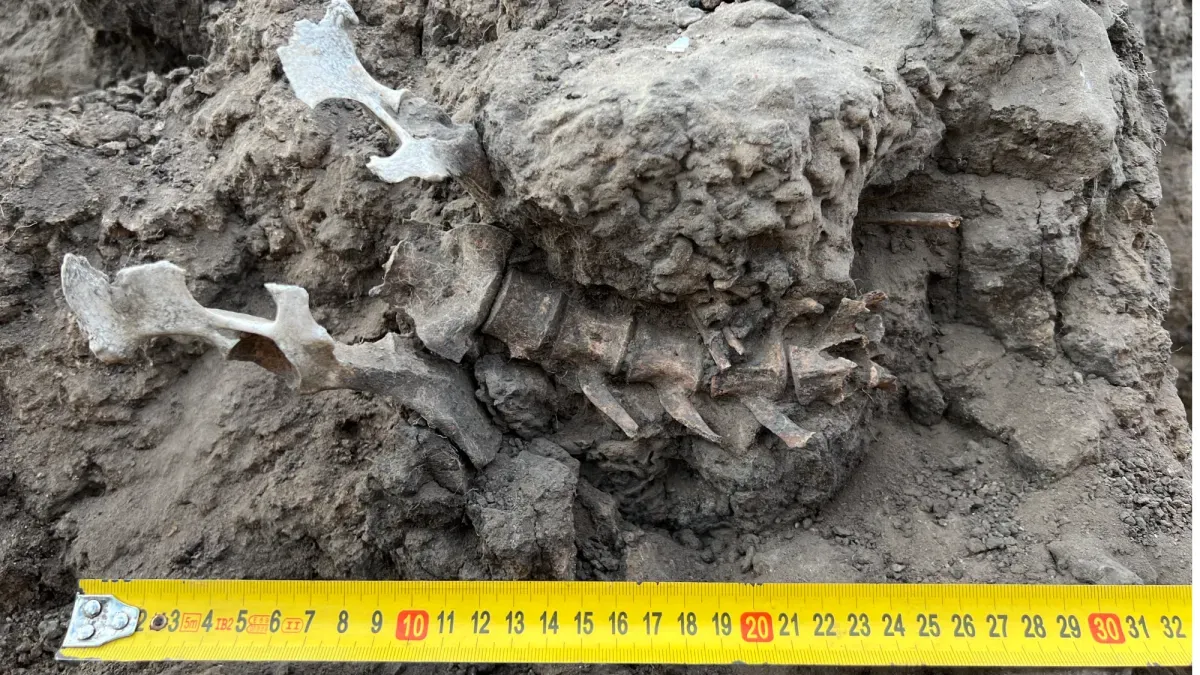
Imagine a dog so cherished, so deeply embedded in your community, that when it eventually shuffles off this mortal coil, it gets a send-off usually reserved for beloved elders. And then, for hundreds of years, people keep bringing offerings to its grave. Because apparently, that's what you do for a Very Good Boy.
That's the story emerging from the Baaka (Darling River) in Australia, where archaeologists and Barkindji ancestors unearthed the remains of a dingo named garli. This wasn't just any wild dog; this was a member of the family, and the Barkindji people treated him like one – in life, in death, and long, long after.
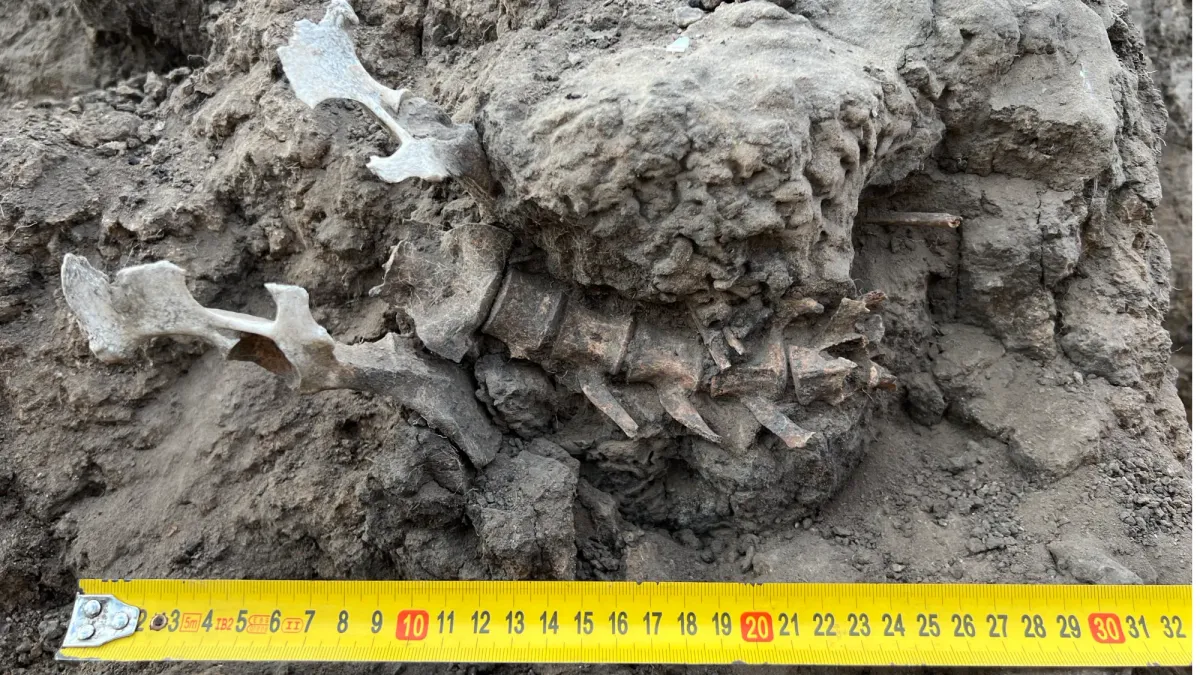
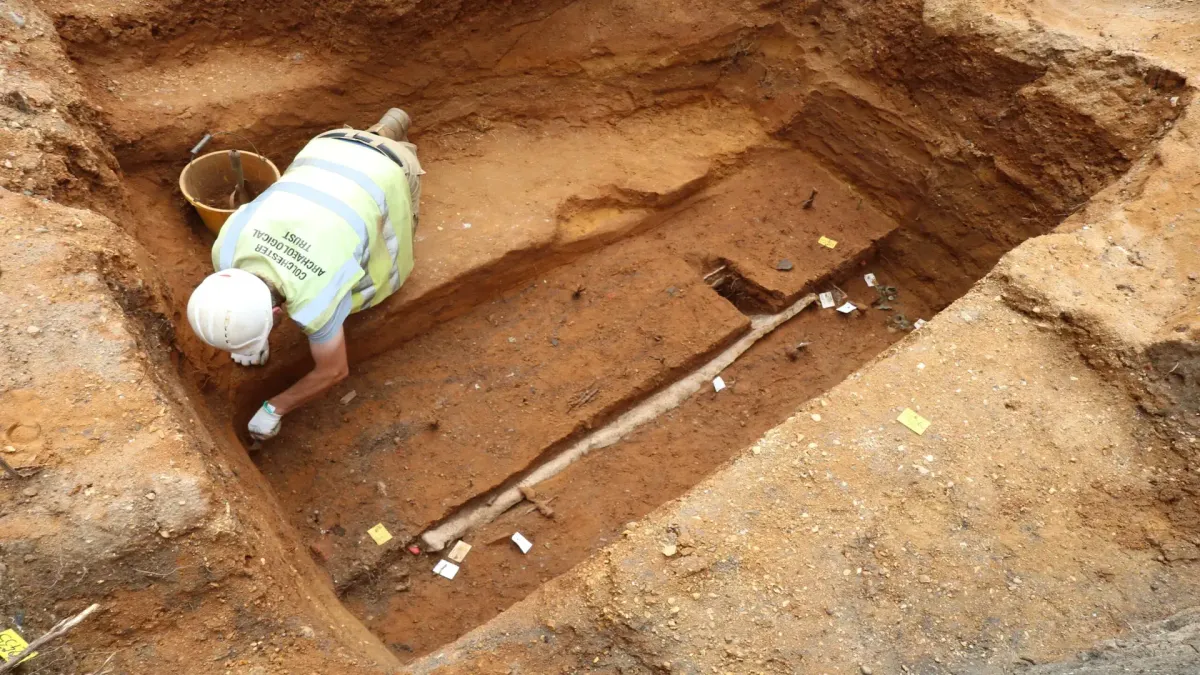
Discovered in 2020 by Barkindji Elder Uncle Badger Bates and archaeologist Dan Witter, the burial site revealed a male dingo, between four and seven years old, deliberately interred between 963 and 916 years ago. His well-worn teeth suggest a life of dedicated hunting, but it's the other details that really tell the tale.
We're a new kind of news feed.
Regular news is designed to drain you. We're a non-profit built to restore you. Every story we publish is scored for impact, progress, and hope.
Start Your News DetoxThe Ultimate Pet Insurance
Garli had seen some things. His bones showed multiple healed injuries, including a broken lower leg and several broken ribs. The prevailing theory? He probably got a good wallop from a kangaroo during a hunt. Which, if you think about it, is both impressive and slightly terrifying. More importantly, these healed wounds strongly suggest that garli wasn't left to fend for himself. The Barkindji people provided long-term care, nursing him back to health. That's dedication.
Dr. Amy Way, a co-author of the study, noted that burying garli with the same reverence given to human ancestors speaks volumes. It shows these animals weren't just tolerated; they were loved, valued, and integrated into daily life. Dr. Loukas Koungoulos added that this confirms dingoes like garli were tamed, lived alongside people, and weren't just hanging around the edges.
A Feast for the Ages
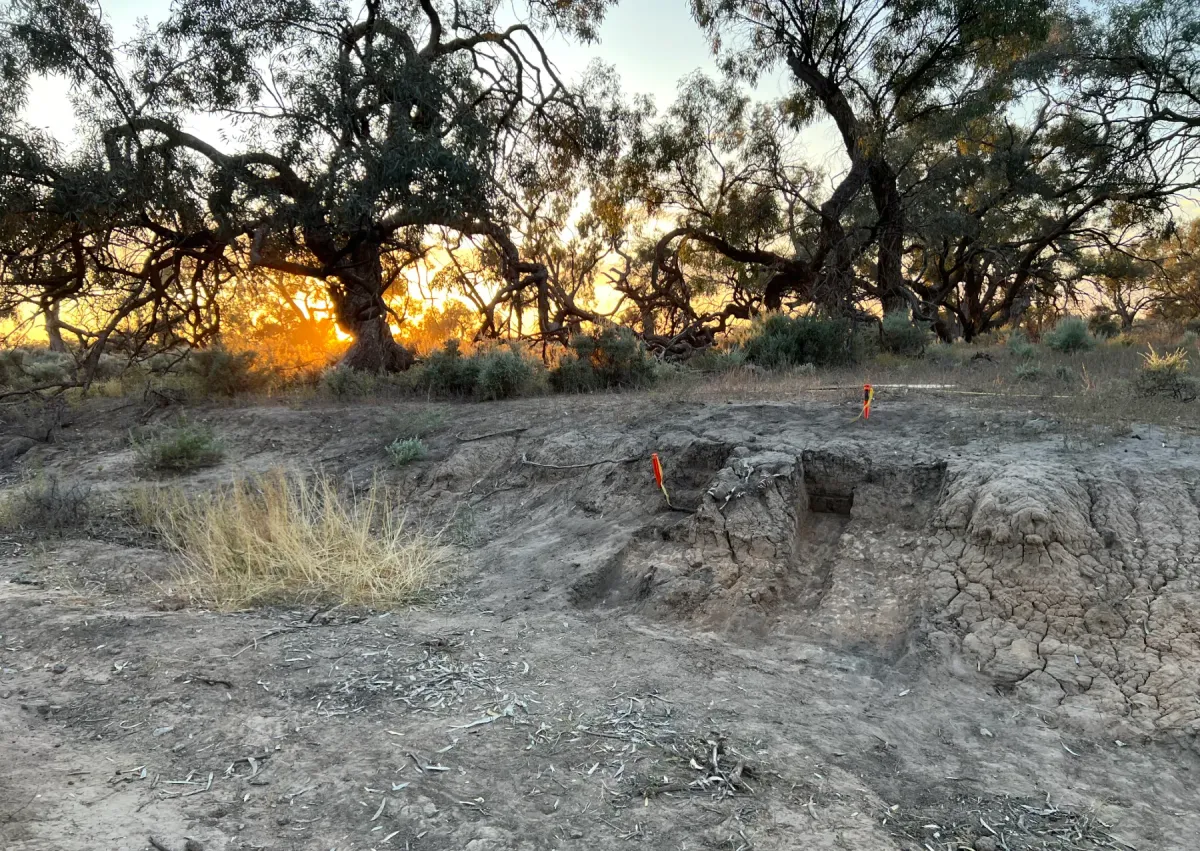
But the story doesn't end with the burial. Garli was laid to rest in a midden, a kind of ancient organic refuse pile. For centuries afterward, the Barkindji continued to add river mussel shells to this midden. Barkindji Elders describe this as a “feeding” ritual, honoring garli as an ancestor and maintaining the site across generations. It's the first time such a post-death feeding ritual has been scientifically documented, and frankly, it's a mic drop moment for human-animal bonds.
After all the scientific analysis, garli's remains were returned to Country – the Indigenous term for the land and its profound spiritual and cultural significance. Dr. Way summed it up perfectly: this research simply confirms what the Barkindji people have always known. Their relationships with animals, ancestors, and Country were, and remain, deep, deliberate, and ongoing. Some dogs just get it right, even 1,000 years later.