Two Stone Age skeletons buried together in southern Italy 12,000 years ago have just revealed something remarkable: the earliest confirmed case of a genetic disease in human history.
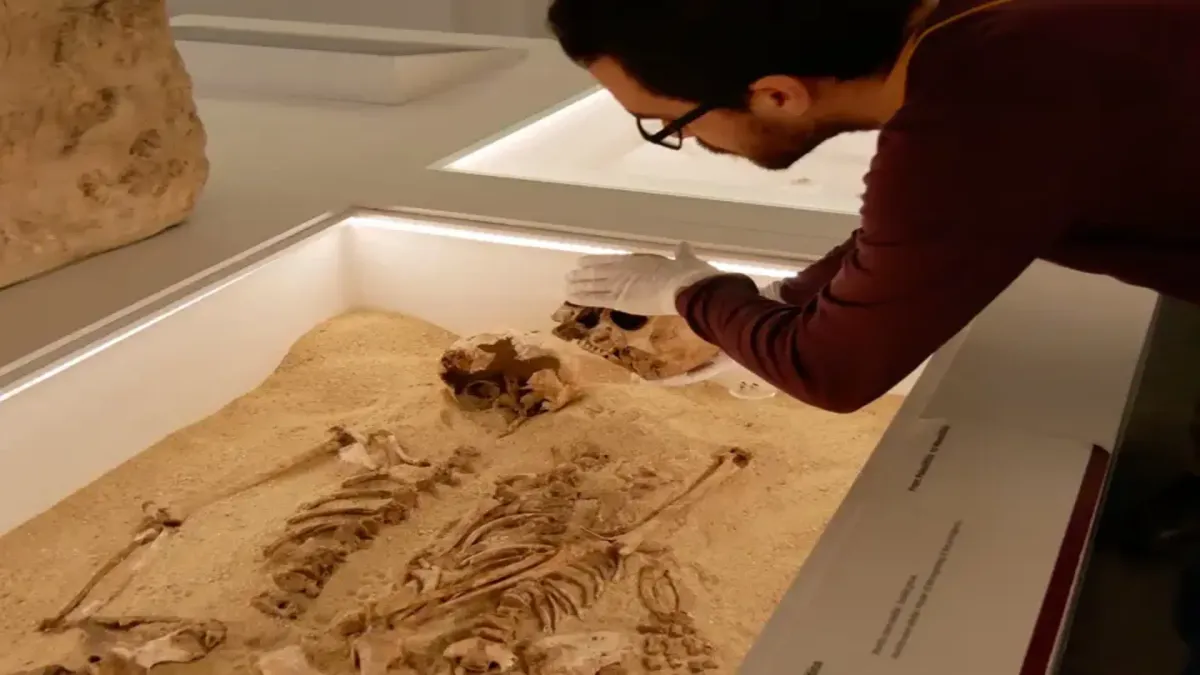
When researchers first excavated the remains in 1963, they were struck by the unusual skeletal features of an adolescent, known as Romito 2, who had been carefully laid to rest in the arms of an adult woman, Romito 1. The positioning suggested a close relationship, but it took modern DNA analysis to confirm what the burial practice had long implied: they were mother and child.
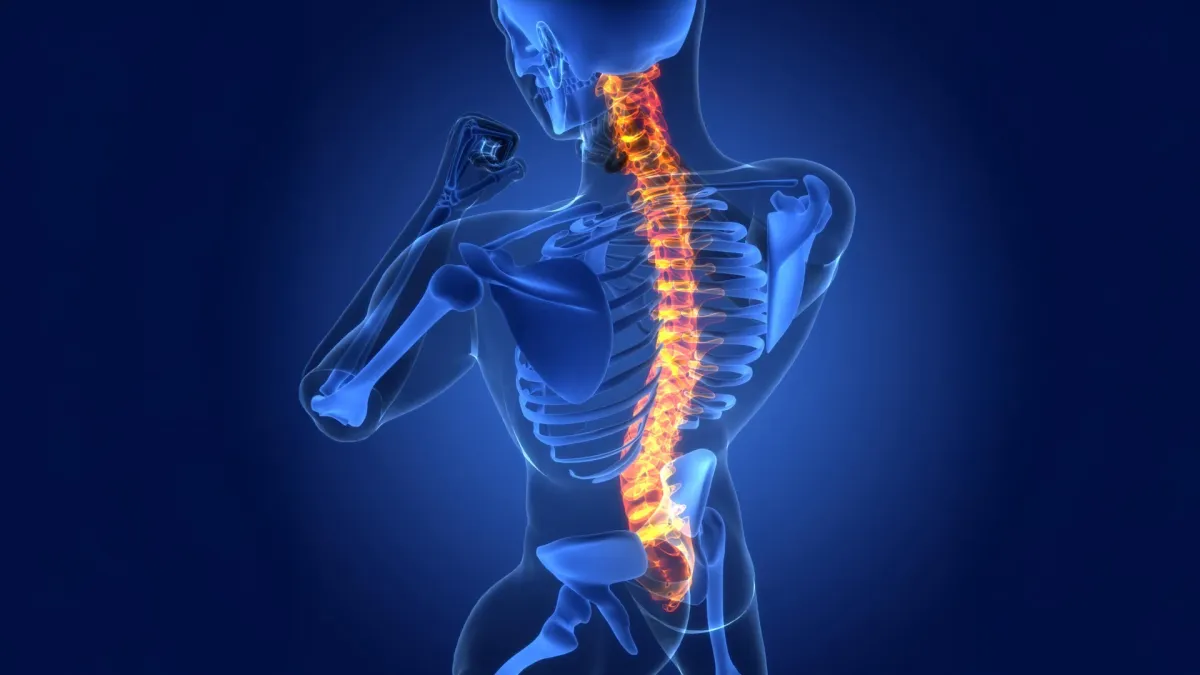
Using genetic material extracted from the petrous bone (part of the skull), scientists determined that both individuals carried mutations in the NPR2 gene, which controls bone growth. The diagnosis: acromesomelic dysplasia, a rare condition characterized by severe short stature and dramatically shortened limbs. In Romito 2, the condition was severe. In Romito 1, the same genetic mutation produced milder physical effects — a pattern that still appears in families today when one parent carries a single altered copy of the gene.
We're a new kind of news feed.
Regular news is designed to drain you. We're a non-profit built to restore you. Every story we publish is scored for impact, progress, and hope.
Start Your News DetoxWhat makes this finding extraordinary isn't just the age. It's that researchers identified a single base change in DNA from individuals who died over 12,000 years ago. Adrian Daly, one of the study's authors, described it as "the earliest DNA-confirmed genetic diagnosis ever made in humans." The work, published in The New England Journal of Medicine, represents an unprecedented window into how genetic conditions have shaped human lives across millennia.
What this tells us about the past — and present
Rare genetic diseases aren't a modern invention. They've been woven into human history since long before we had names for them or ways to diagnose them. But this discovery offers something more valuable than historical curiosity: it reminds us that the same genetic variation that produces different outcomes within one family today produced different outcomes in a Stone Age family too. Understanding that variation helps clinicians recognize and manage these conditions now.
There's another detail worth sitting with. Romito 2 survived to adolescence despite a severe genetic condition that would have made survival difficult. In a prehistoric community with no modern medicine, no genetic counseling, no treatment options — just the reality of living with a body that didn't grow as expected — this child was cared for. They were buried with ceremony, cradled in their mother's arms.
That says something about human nature that no genetic test can measure.