Dr. Marion Dowd was hunting for ghosts—not the supernatural kind, but the traces of them in old stories. The archaeology lecturer at Atlantic Technological University spent months cross-referencing 350 folklore accounts with archaeological records across Ireland, looking for a pattern. What she found was a landscape haunted by grief that had been nearly erased from memory.
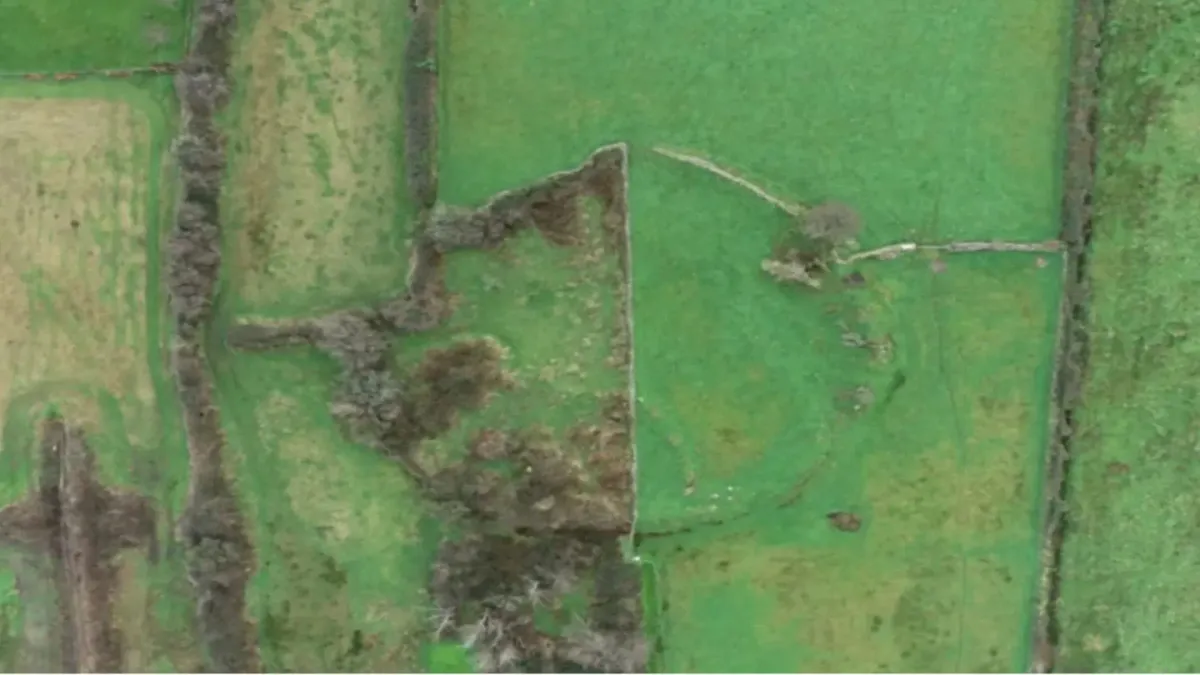
They're called cillíní—burial grounds set apart for infants who never made it past birth. Stillborn babies. Miscarriages. Children who died before baptism. In Catholic Ireland, that meant no consecrated ground, no formal mourning, no place in the official record. So communities created their own spaces, hidden at the edges of the known world, and wrapped them in stories.
Dowd's research identified 11 cillíní and 16 previously unknown burial sites scattered across the country. The folklore surrounding them tells you everything about how people processed unbearable loss. Tales of "supernatural lights" flickering above the graves. Warnings about the "stray sod" and "hungry sod"—cursed patches of ground that would punish anyone foolish enough to disturb them. These weren't just ghost stories. They were a way of saying: this ground is sacred, even if the church won't say so.
We're a new kind of news feed.
Regular news is designed to drain you. We're a non-profit built to restore you. Every story we publish is scored for impact, progress, and hope.
Start Your News DetoxWhat's striking is the precision of the superstitions. Baby boys and girls had separate burial grounds—each with their own invisible boundaries, their own folklore, their own folk cures for sick children who might benefit from a visit to these liminal places. The stories preserved something the official record couldn't: a mother's need to mark her loss, a community's need to acknowledge what happened, even in the margins.

But folklore fades. Modern development creeps across the landscape. Agricultural work reshapes the earth. Without these stories, without someone like Dowd connecting the dots between what people remembered and what archaeologists could find, these sites vanish entirely. The babies become truly forgotten.
That's why Dowd's work matters beyond academia. She's shown that folklore isn't decoration—it's data. It's the map that helps us locate what we've lost. Ireland's heritage protection laws already recognize this through UNESCO's Intangible Cultural Heritage Convention. The stories count. The oral traditions count.
Local communities are now being asked to help. If your grandmother mentioned a burial ground. If there's a field everyone knows to avoid. If the stories in your family line up with Dowd's research, that matters. These sites need witnesses and protectors, not to exorcise ghosts, but to ensure that the grief they hold isn't erased entirely.
The next phase of this work depends on people remembering what their communities have always known.