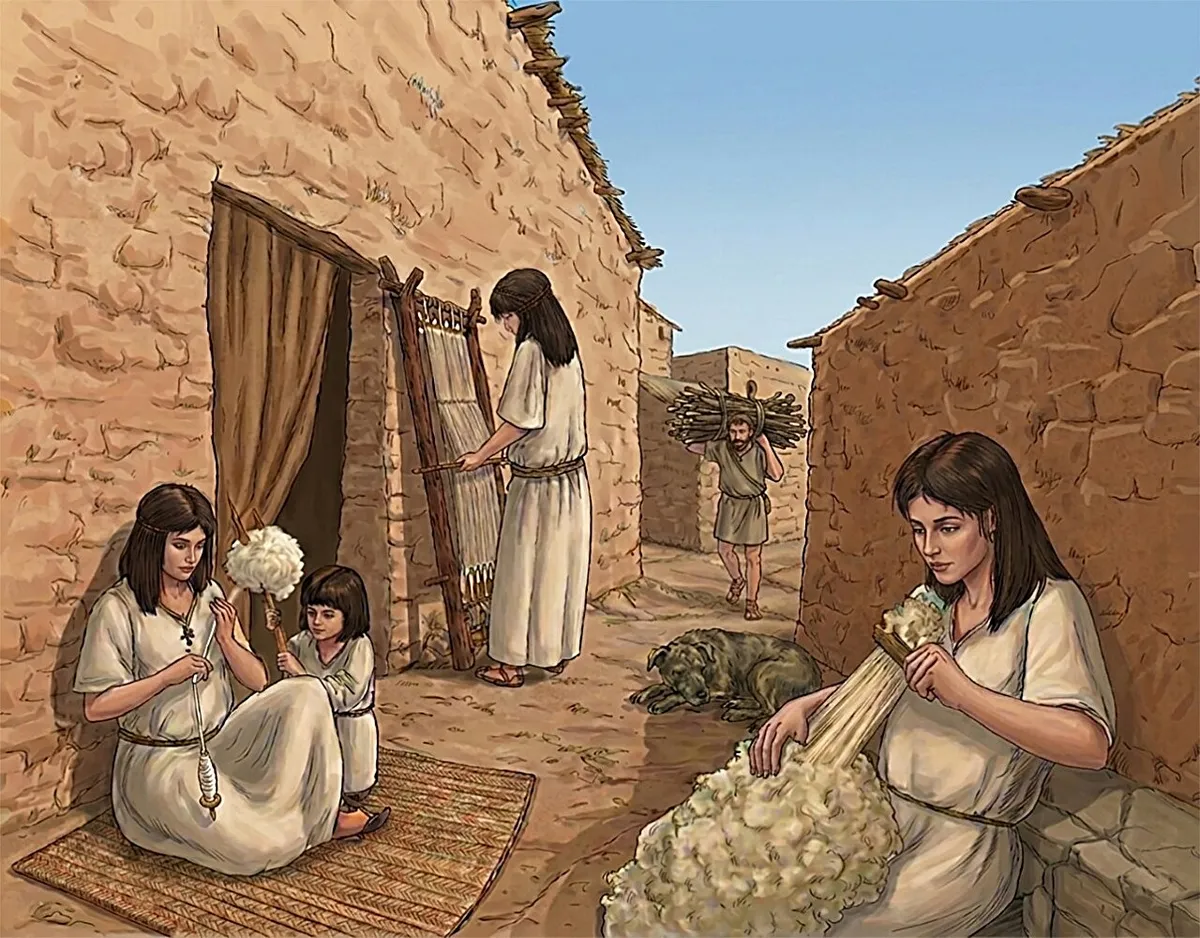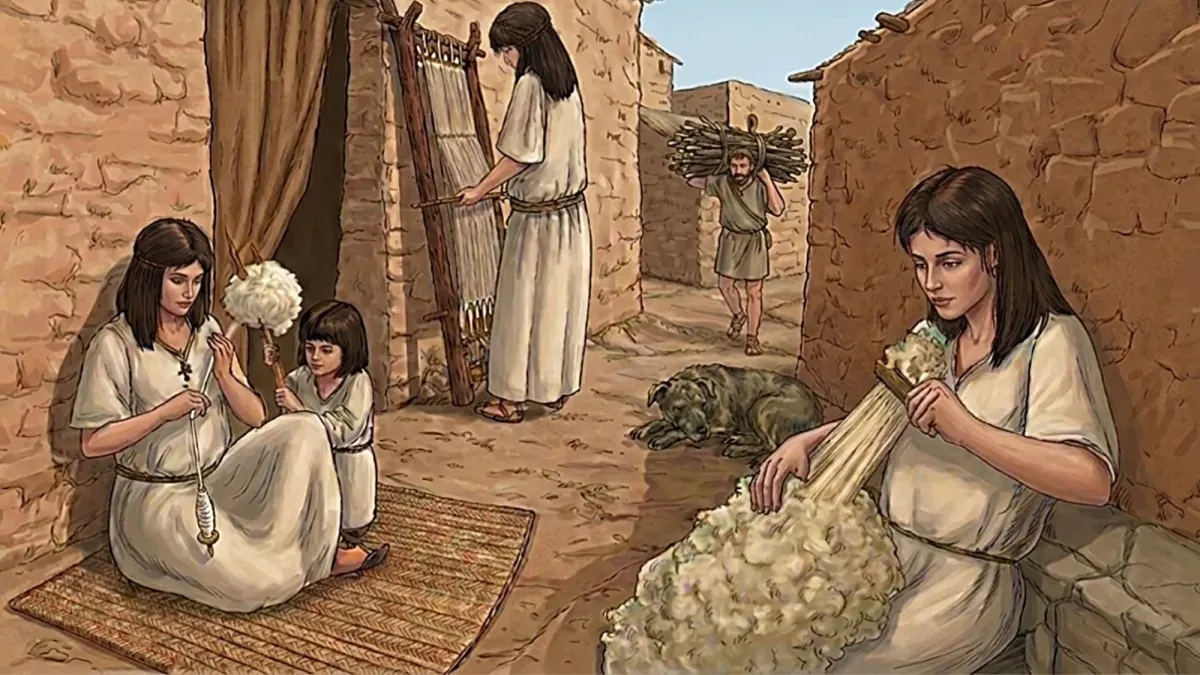
Archaeologists have found the remains of a 3,500-year-old loom in Spain. This discovery offers new insights into how people made clothes during the Bronze Age. The loom was found at the Cabezo Redondo archaeological site.
The findings, published in the journal Antiquity, suggest that this region might have been a key player in the Bronze Age's textile revolution.
Uncovering Ancient Weaving Technology
Warp-weighted looms were common weaving tools across prehistoric Europe and the Mediterranean. They were used to create textiles for clothing and blankets. These looms use stone or clay weights to keep threads tight.
We're a new kind of news feed.
Regular news is designed to drain you. We're a non-profit built to restore you. Every story we publish is scored for impact, progress, and hope.
Start Your News DetoxSince these looms were mostly made of wood and other organic materials, they rarely survive over time. Usually, archaeologists only find the stone or clay weights. These weights help them understand how ancient people made textiles.
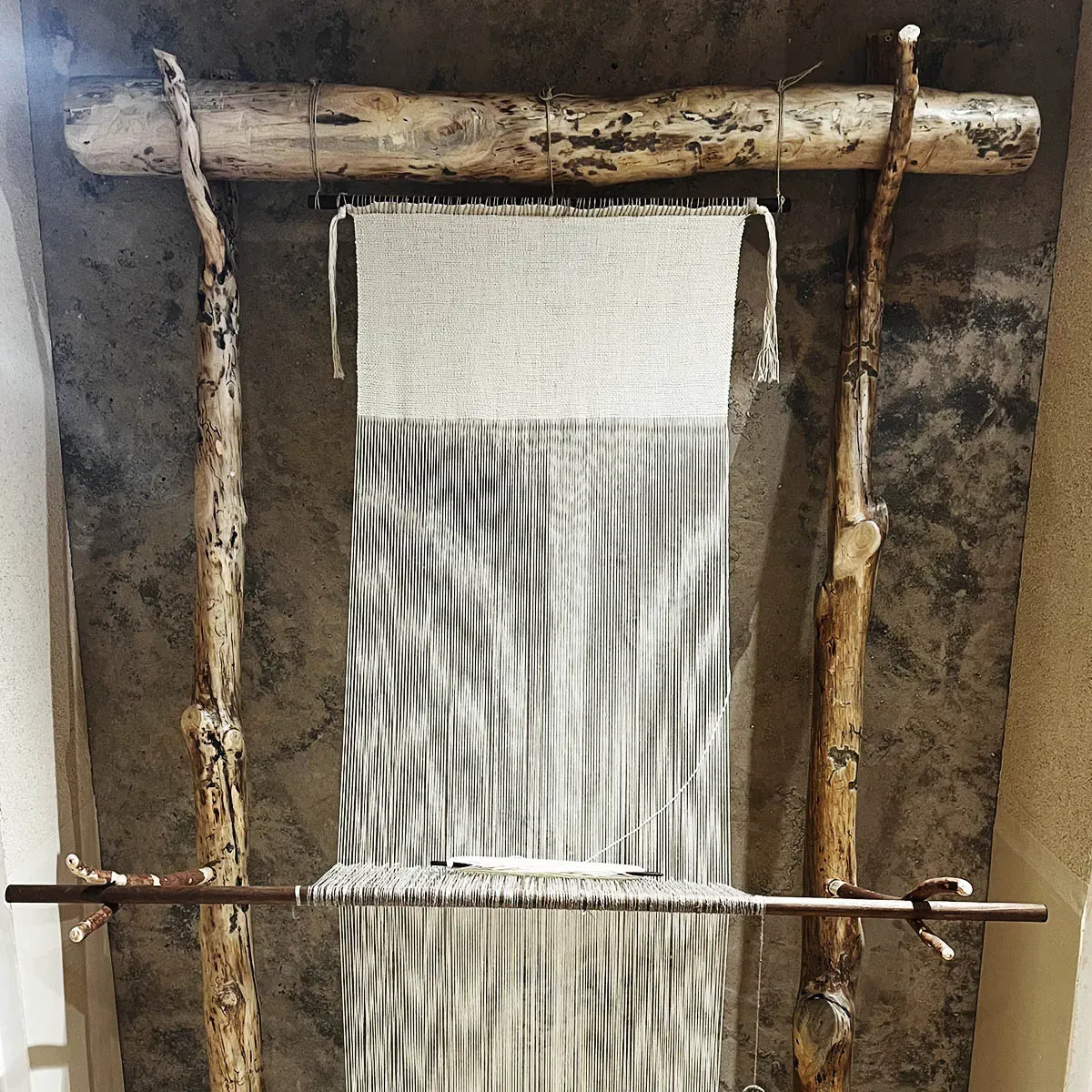
Ricardo E. Basso Rial, an archaeologist at the University of Granada and a co-author of the study, explained that textile production in Bronze Age southeastern Iberia was known from loom weights and spindle whorls. However, the wooden parts of looms are rarely preserved. This has limited understanding of how looms were built and how weaving was done.
A Rare Glimpse into the Past
The team found charred wood and plant fiber ropes near clay loom weights. These were at the Bronze Age settlement of Cabezo Redondo in southern Spain. They believe these are the remains of one of the oldest wooden looms ever found.
This well-preserved example of Bronze Age warp-technology in the western Mediterranean is a rare chance to learn about ancient textile production.
After studying the preserved wood and clay weights, the team partially rebuilt the loom. The wood was Aleppo pine, a tree common in the area. The weights were unique, suggesting they might have been used to make finer or more diverse fabrics.

Basso Rial noted that the loom weights indicate this loom could make open tabby fabrics. It might also have produced denser and more complex textiles, possibly including early twill weaves. This is a significant step in understanding Bronze Age textile technology in Iberia.
Most weaves from the Neolithic to the Bronze Age were tabby weaves made from plant fibers like flax. Twill weaves, which often used wool, became common around 1,000 BCE. This suggests Cabezo Redondo may have been an important site during the textile revolution, when wool use and textile variety increased.
Basso Rial concluded that this discovery shows not just the tools, but the loom itself. It was "frozen at the moment it was in use nearly 3,500 years ago." This offers a rare look into the daily craft of Bronze Age weaving.
Deep Dive & References
Evidence of a warp-weighted loom in the Bronze Age settlement of Cabezo Redondo (southeast Spain) - Antiquity