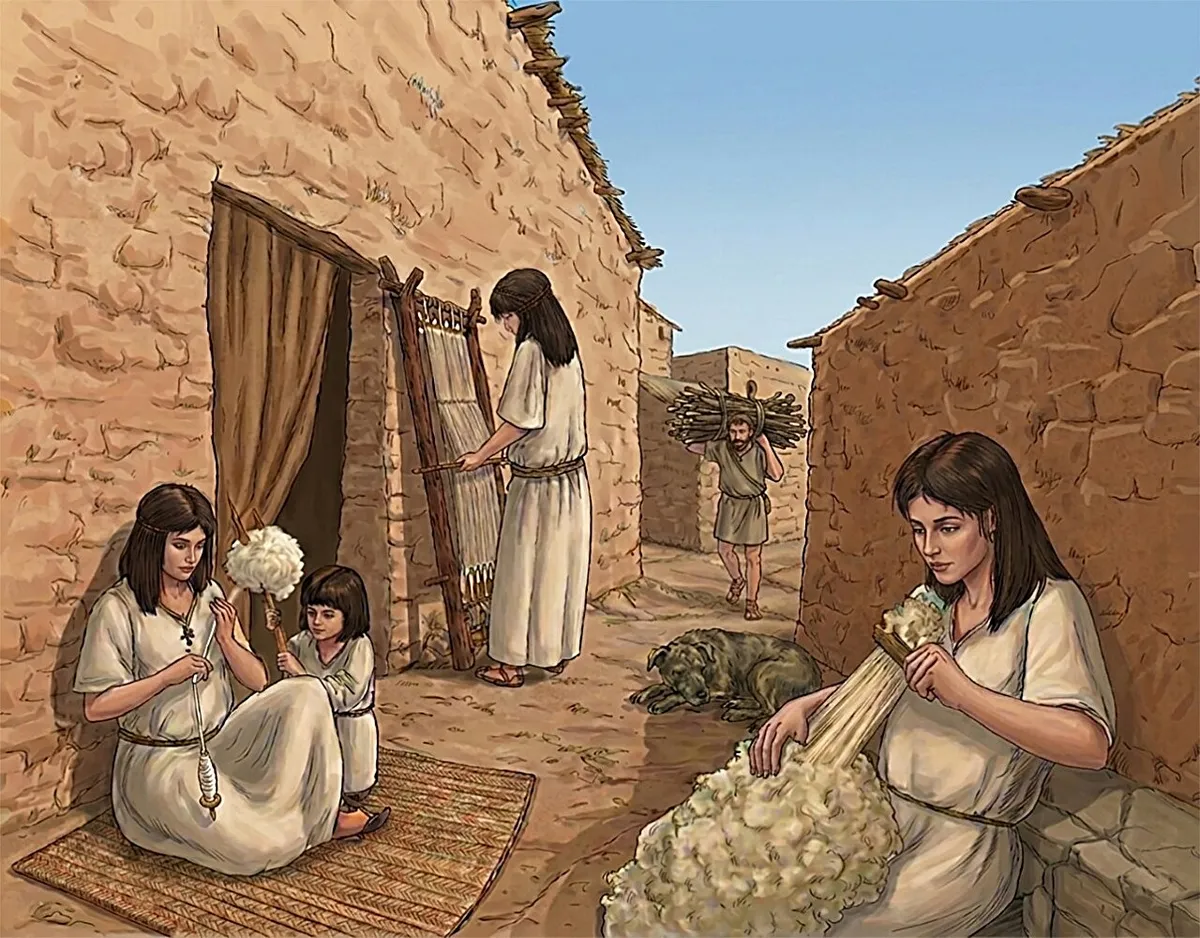
Imagine finding a perfectly preserved snapshot of daily life from 3,500 years ago. That's pretty much what archaeologists did in Spain. They found and rebuilt parts of a Bronze Age weaving loom, giving us a rare peek into ancient textile tech.
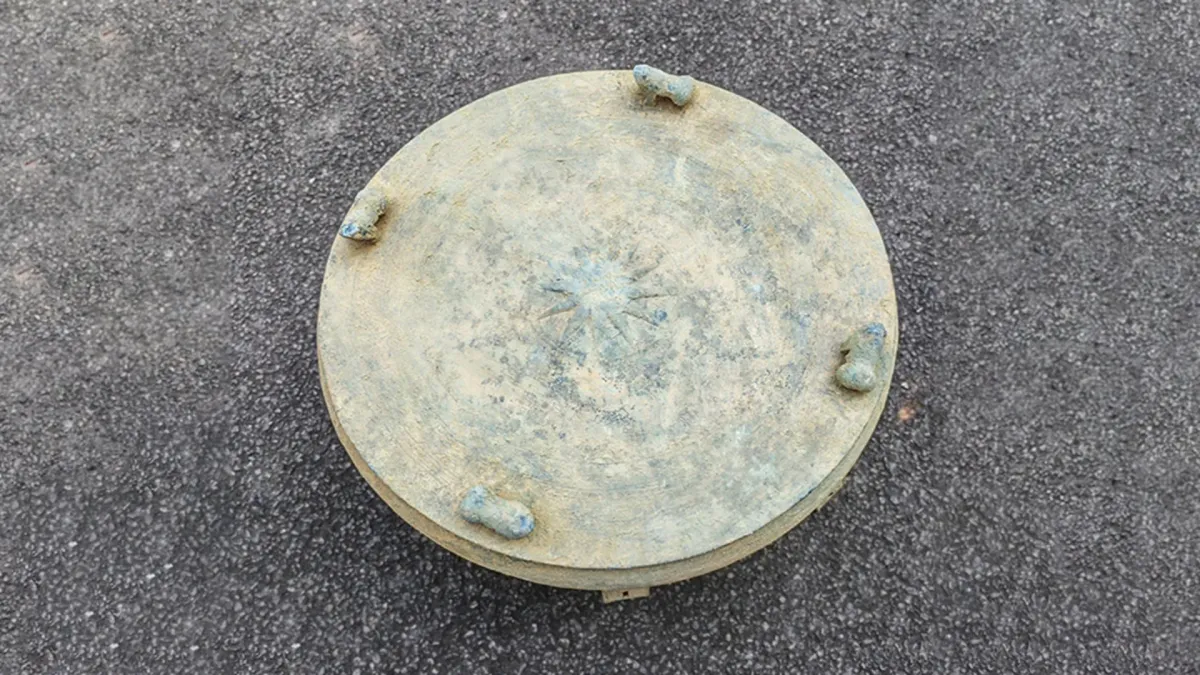
This isn't just any old loom. It's a "warp-weighted" loom, the kind used across prehistoric Europe. These looms use heavy clay or stone weights to keep threads tight. The wooden parts usually rot away, leaving only the weights behind. So finding actual charred wood and plant fibers from a loom is seriously cool.
Dr. Ricardo E. Basso Rial and his team from the University of Granada unearthed this gem at a site called Cabezo Redondo. For years, all we had were the weights and spindle parts. Now, we're seeing the whole setup.
We're a new kind of news feed.
Regular news is designed to drain you. We're a non-profit built to restore you. Every story we publish is scored for impact, progress, and hope.
Start Your News DetoxWeaving with Pine and Light Weights
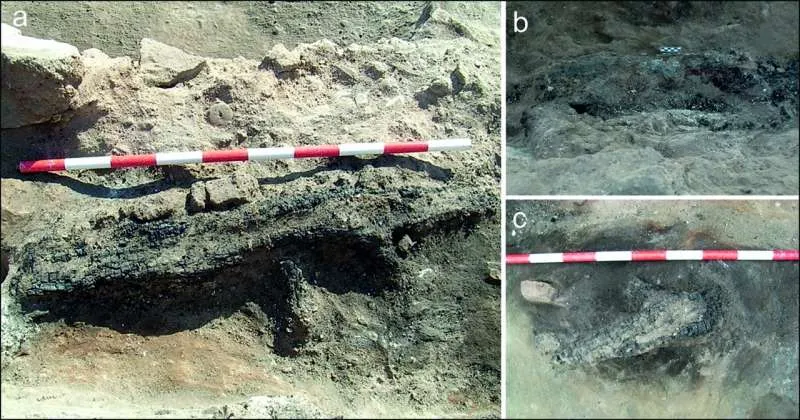
The team studied the preserved wood, which came from local Aleppo pine trees. They also found clay weights that were much lighter than usual for the region. This tiny detail is a big deal. Lighter weights mean they could have made much finer, more intricate fabrics.
Turns out, this ancient loom could handle more than just basic weaves. It likely made "open tabby" fabrics, but also denser, more complex textiles. Think early "twill weaves" – like the diagonal pattern you see in denim today. That's a huge leap for Bronze Age fashion!
Tabby weaves were common for ages, but twill didn't really take off until much later, usually with wool. This suggests the folks at Cabezo Redondo were ahead of their time, possibly kickstarting a "textile revolution" by using wool and making more diverse textiles.
It’s like finding a prototype smartphone from the 1980s. This discovery isn't just about tools; it's about the actual loom, frozen in time. It shows us how people crafted their clothes nearly four millennia ago, bringing a forgotten daily task back to life.