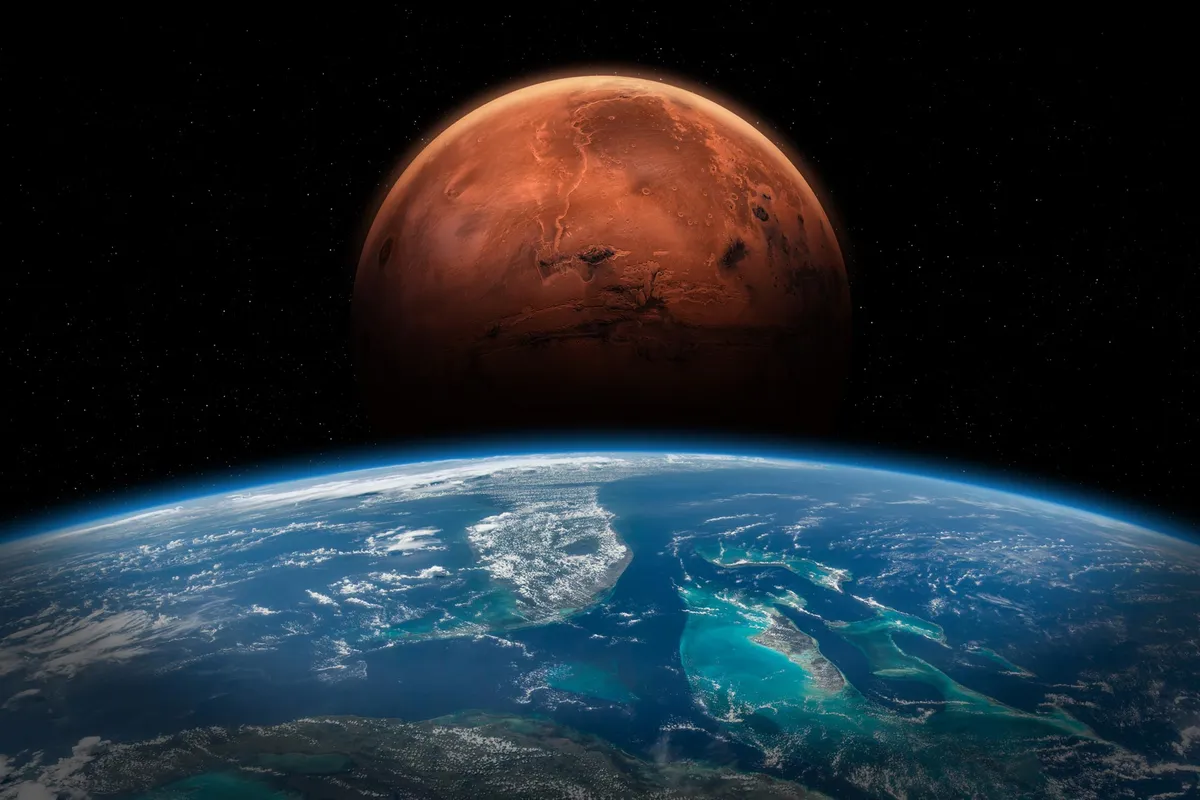
Researchers at New York University Abu Dhabi (NYUAD) found new evidence of water moving beneath the surface of Mars. This suggests Mars might have supported life for much longer than previously thought.
Ancient Dunes and Hidden Water
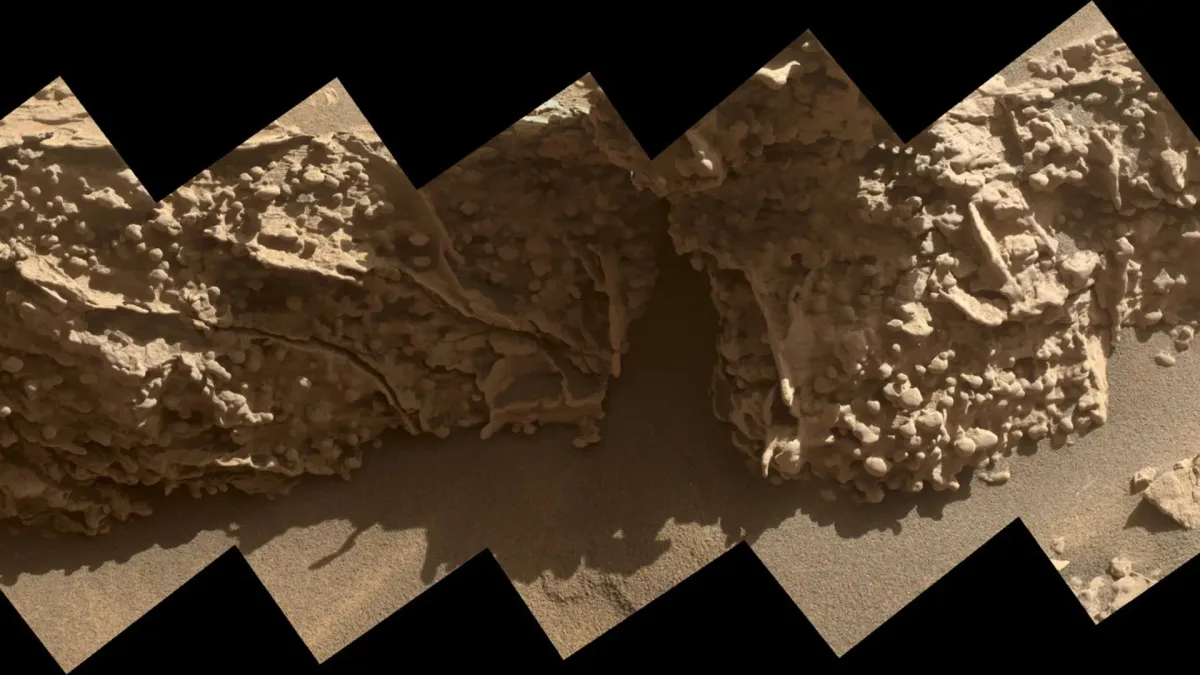
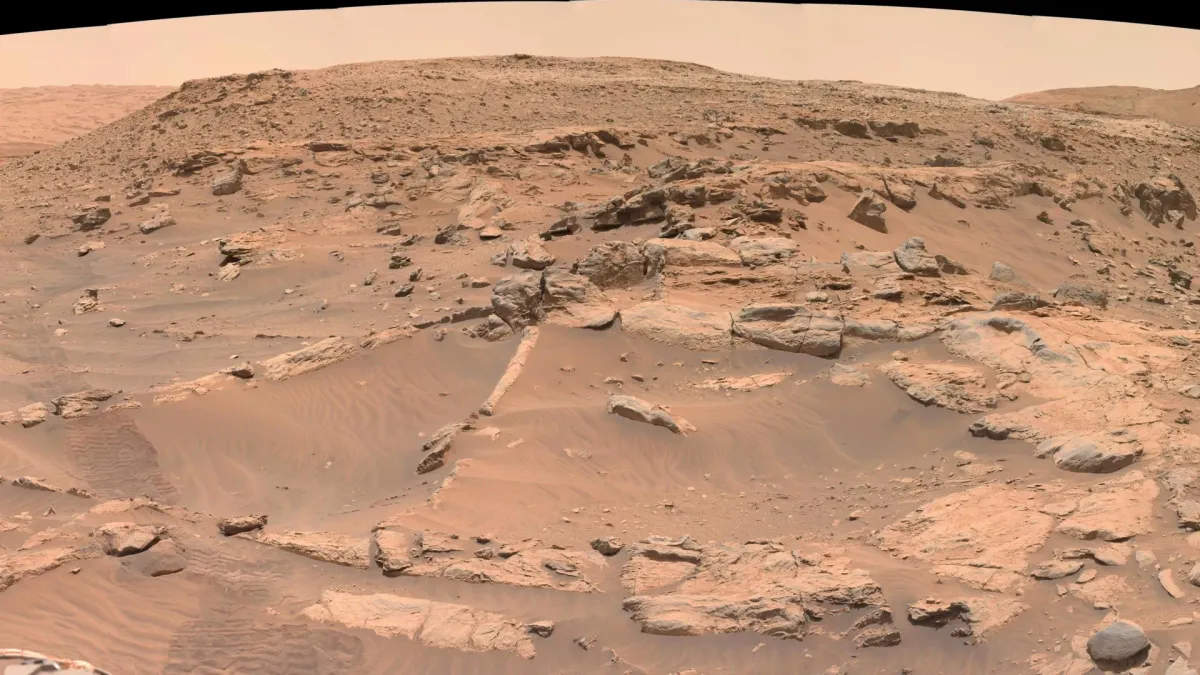
The study, published in the Journal of Geophysical Research - Planets, looked at old sand dunes in Gale Crater. NASA's Curiosity rover explored this area. The research indicates these dunes turned into rock billions of years ago. This happened after they interacted with groundwater moving underground.
Dimitra Atri, who leads NYUAD's Space Exploration Laboratory, and research assistant Vignesh Krishnamoorthy led the study. They compared data from the Curiosity rover to similar rock formations in the deserts of the United Arab Emirates. These Earth formations developed under similar conditions.
We're a new kind of news feed.
Regular news is designed to drain you. We're a non-profit built to restore you. Every story we publish is scored for impact, progress, and hope.
Start Your News DetoxTheir analysis suggests water from a nearby Martian mountain slowly seeped into the dunes. It moved through tiny cracks. As the moisture went up through the sand, it left behind minerals like gypsum. Gypsum is common in Earth's deserts. These minerals are important because they can trap and preserve organic material. This makes such deposits good places to search for signs of ancient life.
A Longer Window for Life
Atri explained that Mars didn't just go from wet to dry. Even after its lakes and rivers vanished, small amounts of water kept moving underground. This created protected spots that could have supported tiny life forms.
This discovery helps us understand how Mars changed over billions of years. It also supports the idea that underground areas are some of the best places to look for past life on the planet.
Deep Dive & References
Ancient sand dunes in Gale Crater, Mars, formed by groundwater interaction - Journal of Geophysical Research - Planets, 2024