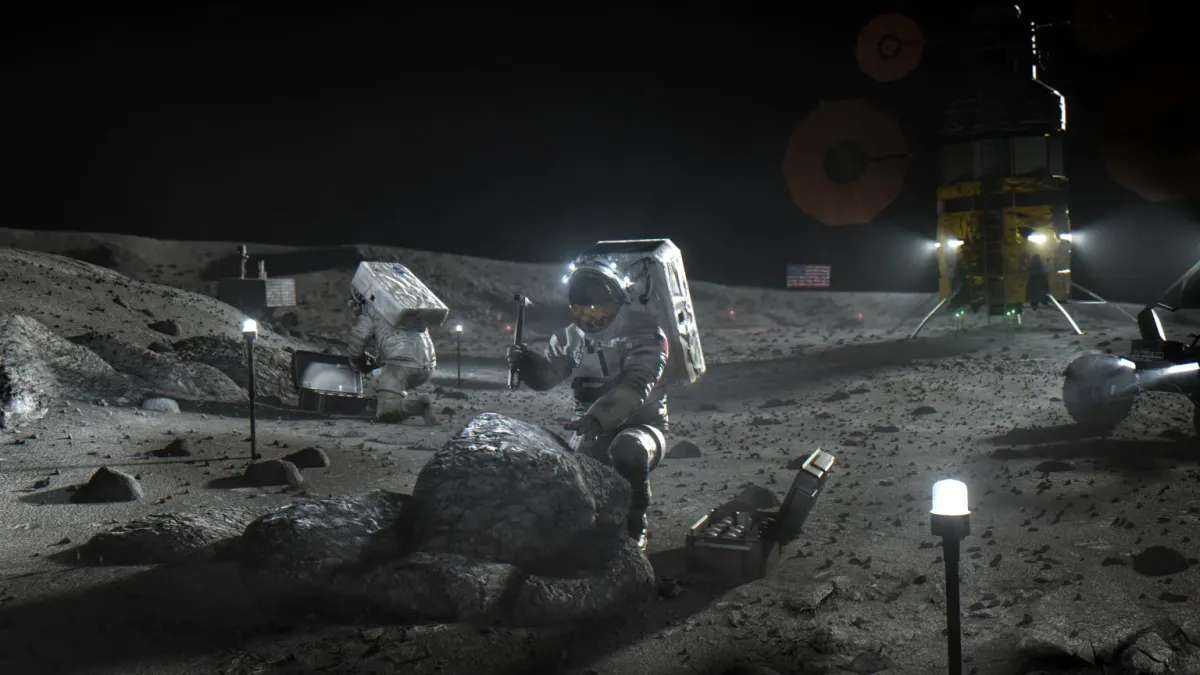
After more than 50 years, NASA is finally sending astronauts back to the Moon — not to land yet, but to test the systems that will get them there. Artemis II, scheduled for February 2026 or shortly after, will carry four astronauts aboard the Orion capsule for a 10-day orbit around the lunar surface. Mission Commander Reid Wiseman will fly alongside NASA astronauts Christina Koch and Victor Glover, both veterans of extended stays on the International Space Station, plus Canadian Space Agency astronaut Jeremy Hansen. Their job is straightforward but crucial: prove that Orion works as designed before NASA attempts an actual landing in the early 2030s.
The rocket and capsule have already rolled out to the launch pad at Kennedy Space Center, which means the waiting is nearly over.
A Year of Lunar and Planetary Firsts
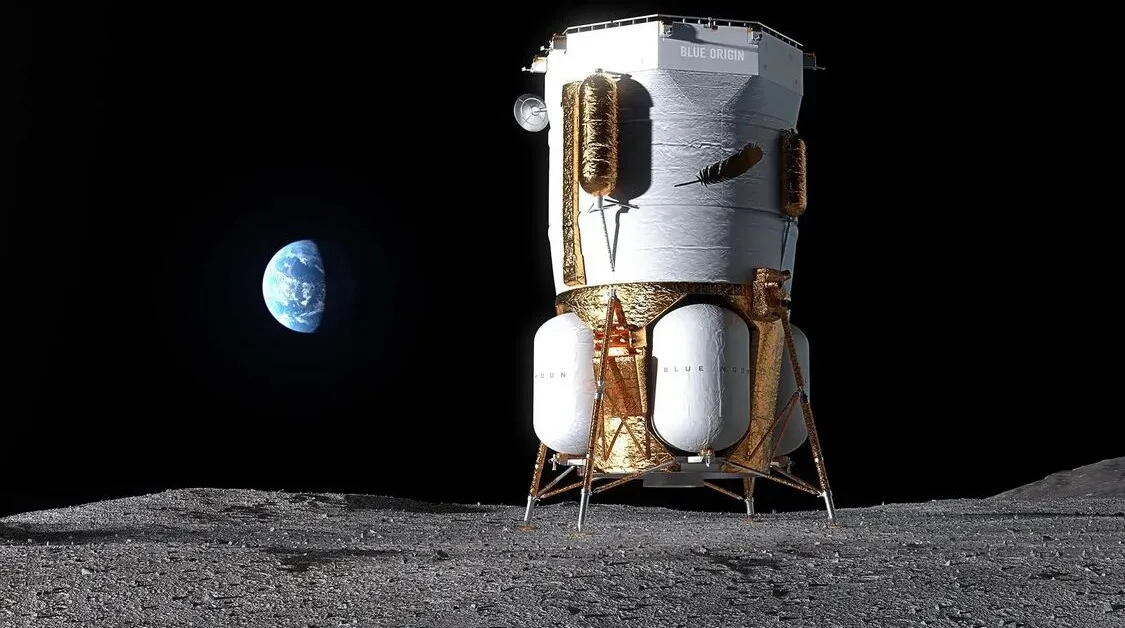
Artemis II isn't alone. Blue Origin is launching its Pathfinder 1 mission in the first quarter of 2026, aiming to land its Blue Moon lander prototype on the lunar surface for the first time. The test will validate the engine, propulsion systems, and precision landing capabilities that Blue Origin has been developing as part of NASA's Commercial Lunar Payload Services Program.
We're a new kind of news feed.
Regular news is designed to drain you. We're a non-profit built to restore you. Every story we publish is scored for impact, progress, and hope.
Start Your News Detox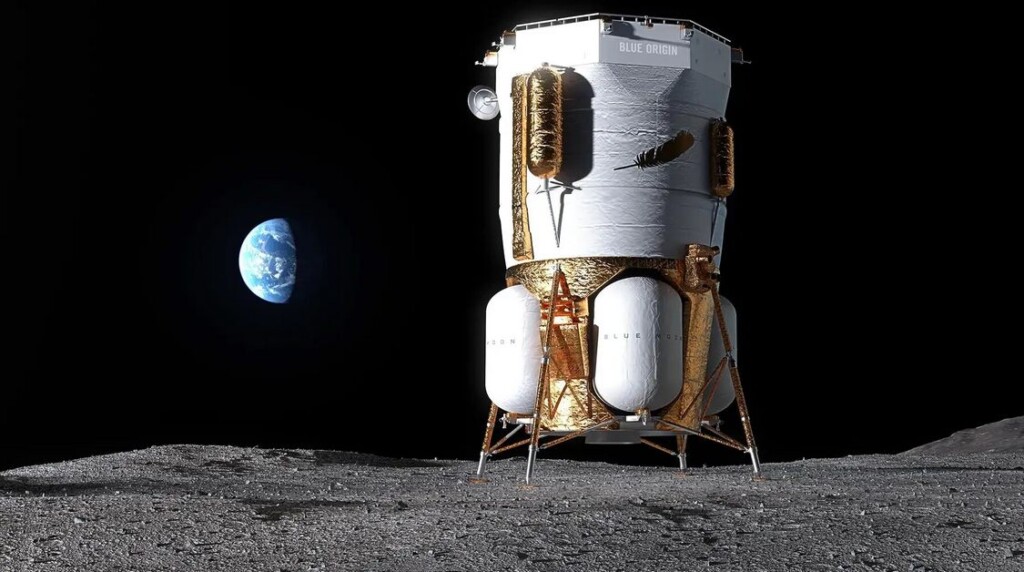
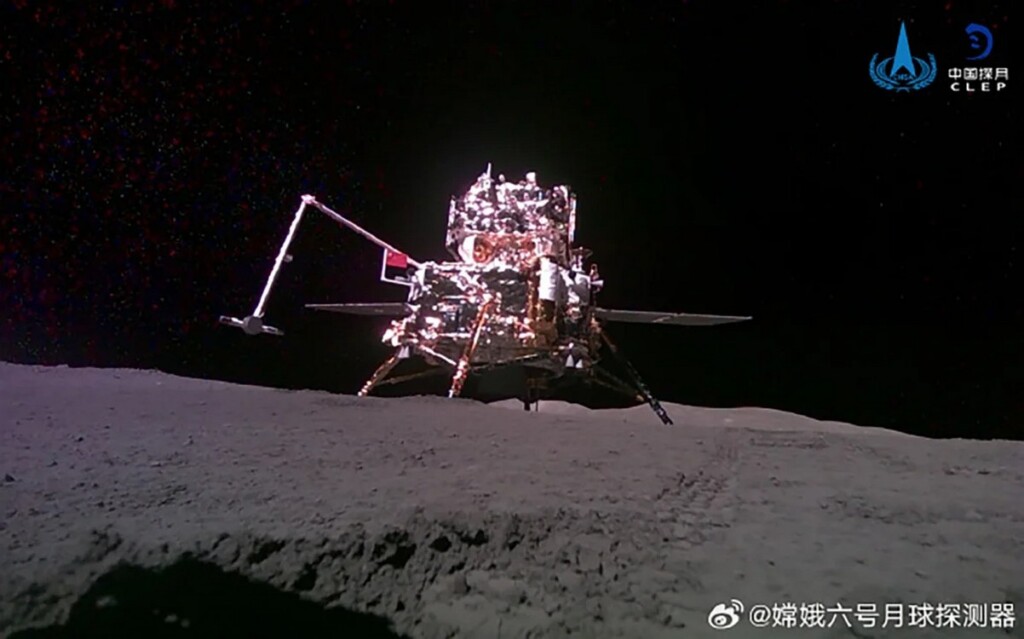
China is moving even faster. The country has three major missions launching this year. Chang'e-7 will send an orbiter, lander, rover, and hopping probe to explore the Moon's permanently shadowed craters — regions where water ice might exist. Meanwhile, Tianwen-2 will chase an asteroid called Kamo'oalewa, a 330-foot-wide object that some scientists think might be a fragment of the Moon itself. Samples collected from Kamo'oalewa will return to Earth in 2027. China is also conducting an uncrewed test flight of Mengzhou, the spacecraft designed to ferry astronauts to and from its Tiangong space station.
Japan is taking its first step toward Mars. The MMX mission will explore the two small moons orbiting Mars — Phobos and Deimos — and collect a sample from Phobos to bring home. The mission could finally answer whether these moons are pieces of Mars knocked into orbit by an ancient impact, or captured asteroids that wandered too close.
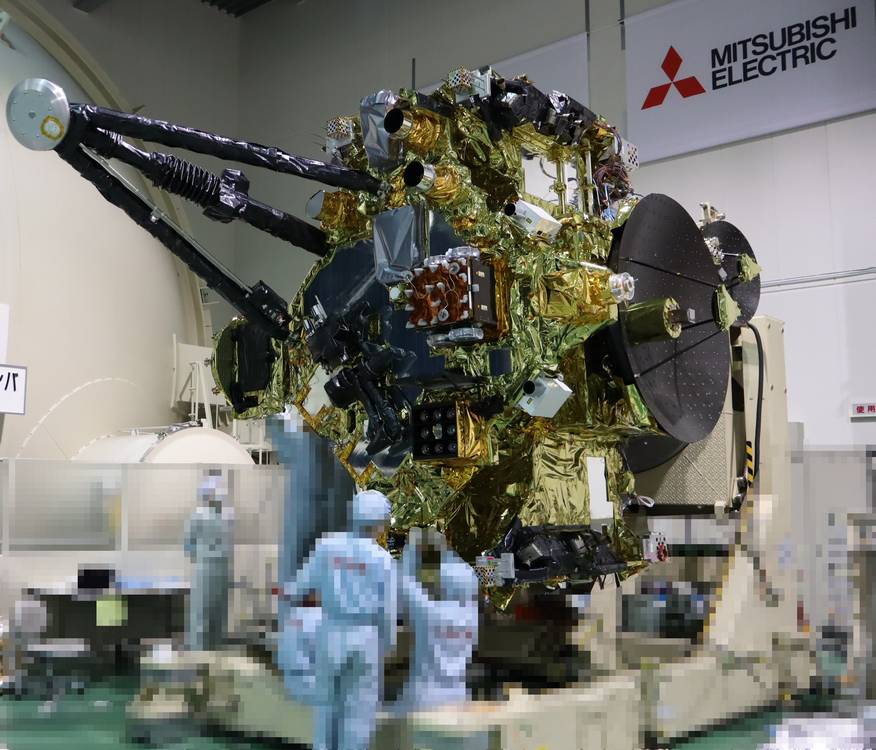
What's striking about 2026 is not just the number of missions, but the shift in who's launching them. NASA's Artemis II represents the U.S. reasserting its presence in human spaceflight after decades away. Blue Origin's private lander shows how commercial companies are now serious contenders in lunar exploration. China's three concurrent missions demonstrate a long-term commitment to becoming a spacefaring superpower. Japan's Mars mission signals that smaller nations are no longer content to watch from Earth.
These aren't isolated achievements. They're part of a broader momentum — a moment when space exploration stopped being the exclusive domain of superpowers and became genuinely international. What happens in 2026 will shape which nations lead the next phase of human expansion beyond Earth.