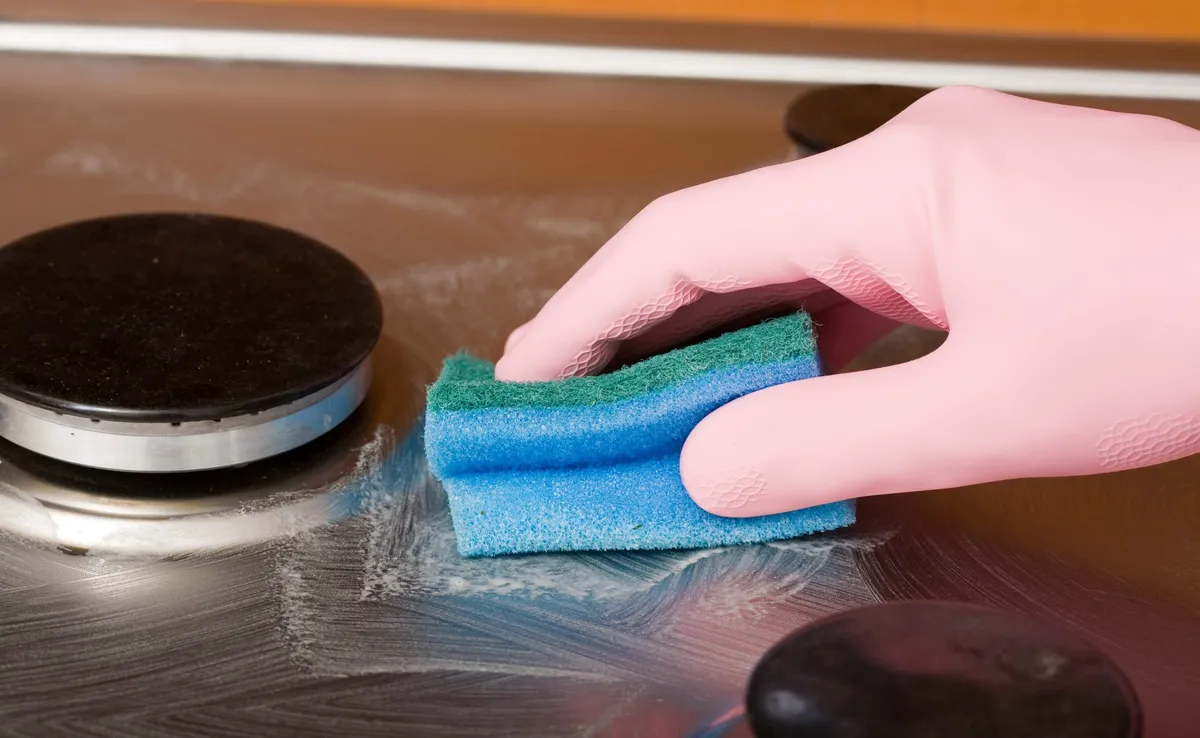
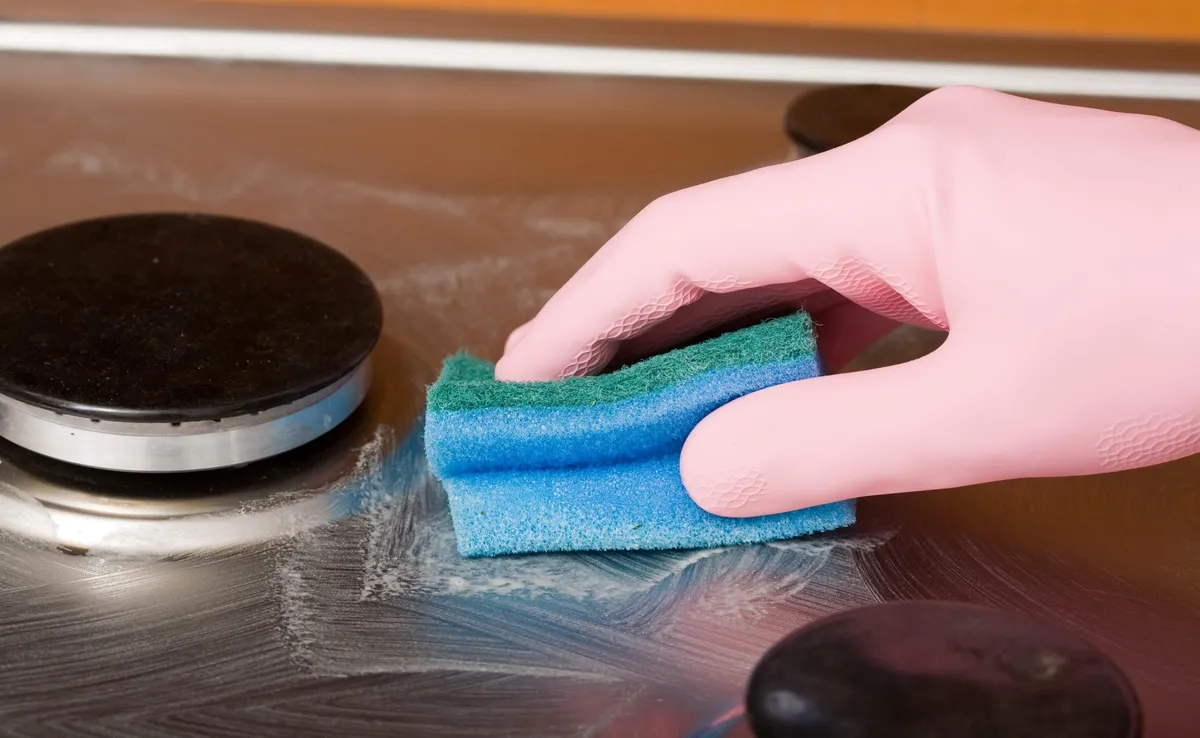
You might have an old sponge that seems ready for the trash. But hold on! Many sponges, especially natural ones, can be used again. They just need a new purpose.
Give Your Sponges a New Job
Here are nine smart ways to reuse your old sponges:
Start Seeds Easily
If you don't have a seed tray, a damp sponge works well. First, wash and clean the sponge. Then, wet it and spread seeds on top. Cover it with a clear bowl or lid to keep moisture in. Check it often and mist with water. Once the seeds sprout, move them to pots.
Protect Floors from Furniture
Cut dry sponge pieces and glue them to the bottom of furniture legs. This stops chairs and tables from scratching floors. You can also use this trick under plant pots to protect hardwood or tile.
We're a new kind of news feed.
Regular news is designed to drain you. We're a non-profit built to restore you. Every story we publish is scored for impact, progress, and hope.
Start Your News DetoxClean Houseplant Leaves
Houseplants can get dusty. Dampen an old sponge and gently wipe each leaf. You can also use it to apply diluted plant treatments.
Move Sponges to the Bathroom
A sponge that's too old for the kitchen can still clean bathroom sinks, showers, or toilets. Sanitize it and use it for one specific area. Make sure it dries completely between uses to keep things clean.

Make an Outdoor Scrubber
Gather a few old sponges, cut them into strips, and tie them together with string. Dip this bundle in cleaning solution to scrub patio furniture. It's a useful tool made from items you would have thrown away.
Create a Reusable Ice Pack
Soak a sponge in water, put it in a zip-close bag, and freeze it. It stays flexible when frozen and can cool lunch bags, small coolers, or a sore ankle. Wash and refreeze it as needed.
Keep Pests Away Outdoors
Dip an old sponge in insect repellent and wipe it on outdoor chairs and tables. Or, soak a sponge in citronella oil and leave it on a plate nearby. This is a cheaper way to repel bugs than using a candle.

Build a Garden Kneeling Pad
Stack a few sponges to make a kneeling pad for gardening. Larger car-wash sponges are best, but smaller ones work too. For more durability, wrap them in fabric and stitch it closed. Your knees will appreciate it.
Add Natural Sponges to Compost
When a natural sponge (made from cellulose, walnut shell, or hemp) is truly at the end of its life, cut it into small pieces and add it to your compost bin. These materials break down over time. Do not compost synthetic or plastic sponges.