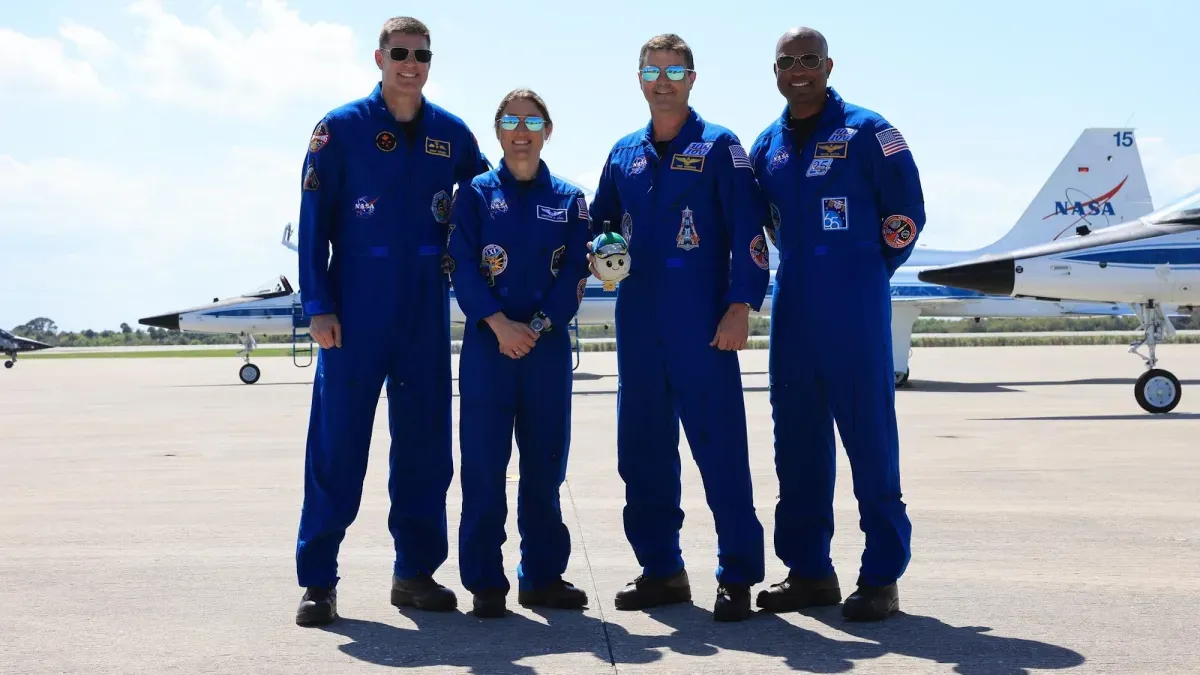
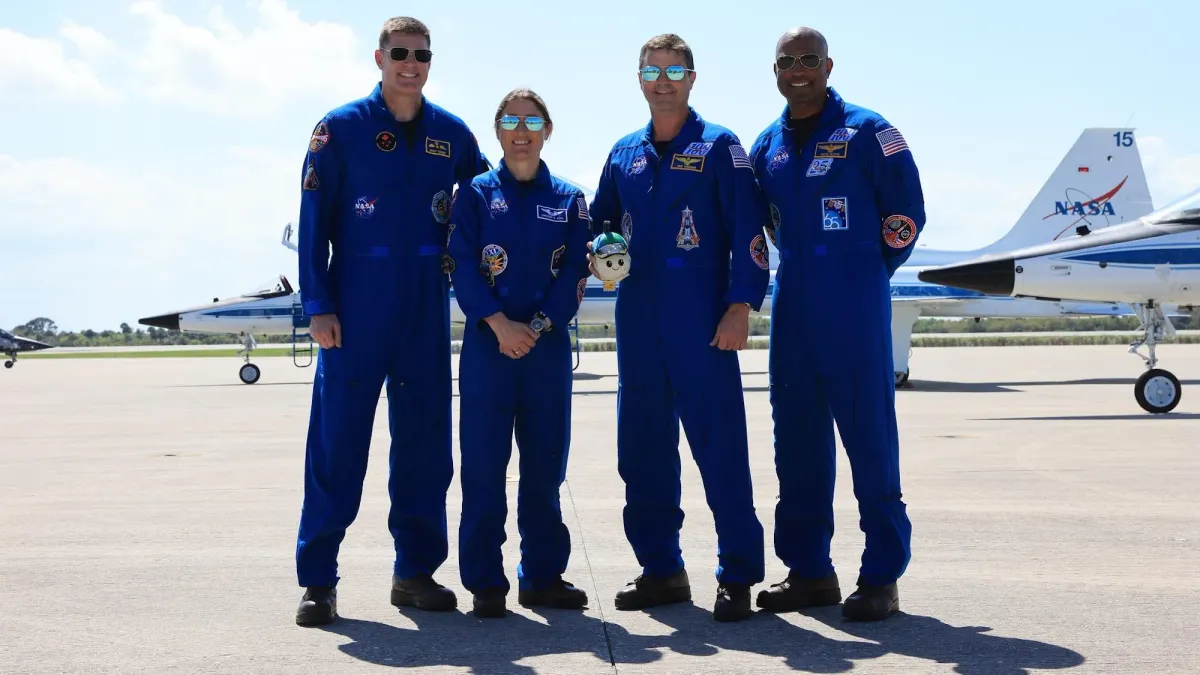
NASA's Artemis II astronauts are gearing up for their historic jaunt around the Moon, and they're bringing a very special, very plush passenger: a tiny doll named "Rise." Mission commander Reid Wiseman recently gave the world a peek at Rise, casually showing off the little guy at Kennedy Space Center.
Rise isn't just for morale, though. This pint-sized pioneer is the mission's official zero-gravity indicator. Translation: when Rise starts floating, the four-person crew will know they've officially left Earth's persistent pull behind. Because apparently that's where we are now — a second grader's doll tells us we're in space.
The Origin Story of a Space Superstar
This isn't just any doll; Rise was designed by Lucas Ye, a second grader from Mountain View, California. The doll is a perfectly adorable symbol for the first crewed NASA mission to actually leave Earth's orbit and circle the Moon since the Apollo program. Talk about high stakes for a plush toy.
We're a new kind of news feed.
Regular news is designed to drain you. We're a non-profit built to restore you. Every story we publish is scored for impact, progress, and hope.
Start Your News DetoxZero-gravity indicators are basically untethered objects, often stuffed animals, that give astronauts a visual cue that they've hit the big void. This delightful tradition started way back in 1961 with Soviet cosmonaut Yuri Gagarin, who brought a small doll on his Vostok I journey. Since then, the tradition has seen everything from R2-D2 to Albert Einstein to various dinosaurs hitching a ride. Snoopy even got his own solo flight on the uncrewed Artemis I mission in 2022.
Rise beat out over 2,600 entries from more than 50 countries in NASA's Moon Mascot contest. Imagine the competition! In August 2023, the Artemis II crew narrowed it down to 25 finalists, then picked five top contenders before ultimately crowning Rise the winner.
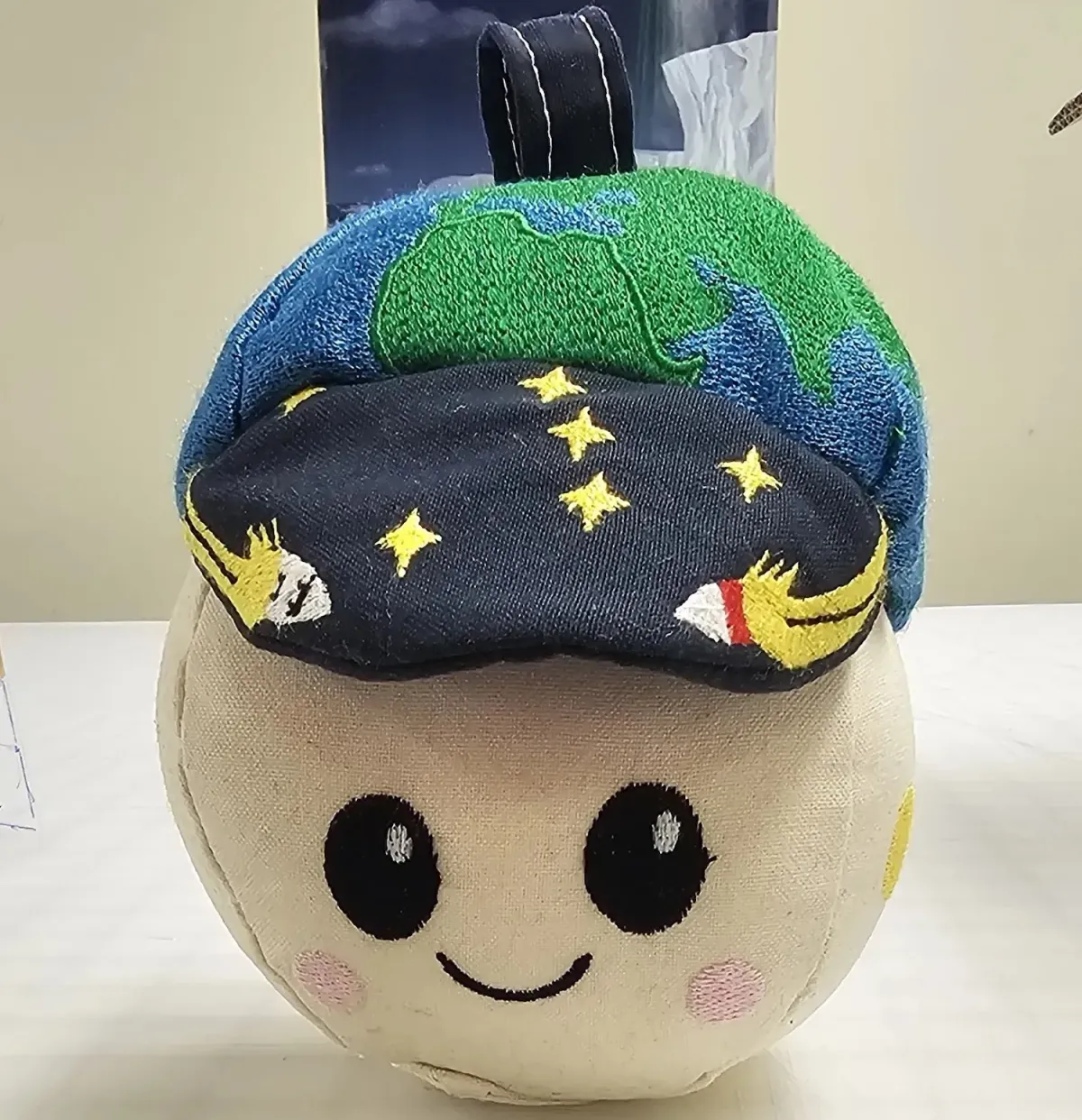
Lucas Ye's design was cleverly inspired by the iconic Earthrise photo from the Apollo 8 mission in 1968. While Rise is the official zero-gravity indicator, we're willing to bet that planet-themed baseball cap is going to be a hot commodity in gift shops after the mission. Artemis II is currently slated to launch no earlier than Wednesday, April 1. No, really.