Nasa is preparing to launch the Artemis II mission, sending four astronauts to the Moon. This journey will set the stage for future lunar landings and eventually a Moon base.
The Artemis program has involved years of work and cost an estimated $93 billion. While some might feel this is a repeat of the Apollo missions from over 50 years ago, there are new reasons for this return to the Moon.
Valuable Resources
The Moon, despite its barren appearance, holds valuable resources. Professor Sara Russell, a planetary scientist, notes that the Moon contains elements found on Earth, including rare earth elements, iron, titanium, and helium. These are used in various technologies, from superconductors to medical equipment.
We're a new kind of news feed.
Regular news is designed to drain you. We're a non-profit built to restore you. Every story we publish is scored for impact, progress, and hope.
Start Your News DetoxPerhaps the most surprising resource is water. Russell explains that water is trapped in some lunar minerals and exists in substantial amounts as ice at the poles, particularly in permanently shadowed craters. Access to water is crucial for a Moon base. It can provide drinking water, be split into hydrogen and oxygen for breathable air, and even serve as rocket fuel.
Race for Space Dominance
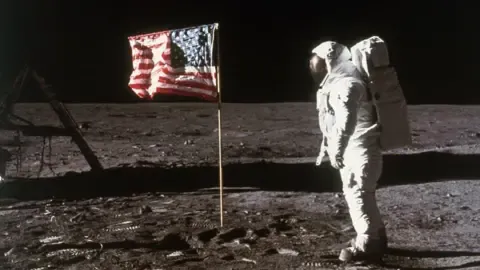
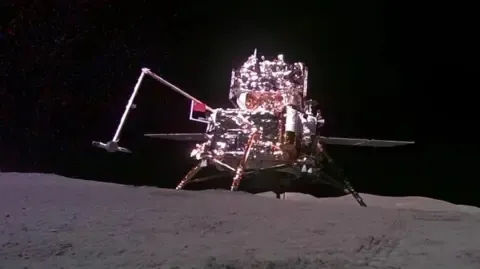
The original Apollo missions were part of a space race with the Soviet Union. Today, the competition is with China, which has made rapid progress in its space program. China has landed robots on the Moon and plans to send humans there by 2030.
Both the US and China want to secure areas with the most abundant resources. While the 1967 Outer Space Treaty states no country can own the Moon, Dr. Helen Sharman, the first British astronaut, explains that countries can operate on lunar land without interference. This means securing a location allows a nation to use it for as long as they wish.
Paving the Way to Mars
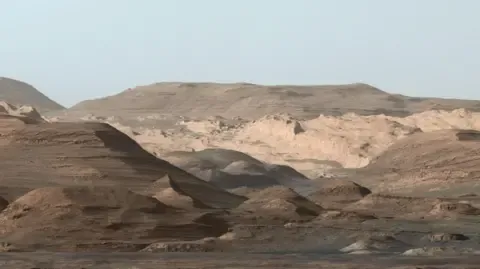
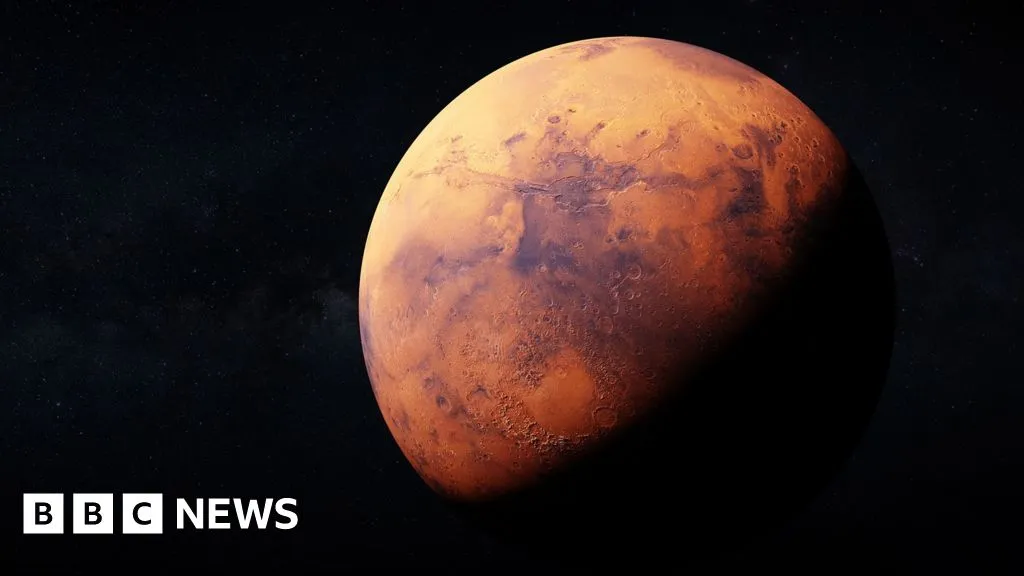
Nasa aims to send people to Mars by the 2030s, a challenging goal. The Moon will serve as a crucial testing ground. Libby Jackson, head of space at the Science Museum, notes that living on the Moon for an extended period is safer and cheaper than attempting it first on Mars.
A Moon base will allow Nasa to perfect technologies for providing air and water, generating power, and building habitats. These habitats must protect astronauts from extreme temperatures and dangerous space radiation. Testing these systems on the Moon reduces the risk of catastrophic failures during a Mars mission.
Unlocking Lunar Mysteries
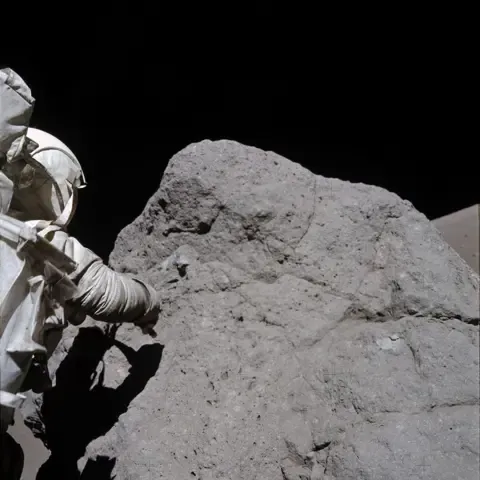
Scientists are eager to study new lunar materials. Rocks from the Apollo missions revealed that the Moon formed from a dramatic collision between a Mars-sized body and Earth. Professor Sara Russell believes there is still much more to learn.
Since the Moon was once part of Earth, it holds a 4.5-billion-year record of our planet's history. Unlike Earth, the Moon lacks plate tectonics, wind, and rain, making it a perfect time capsule. New rock samples from different lunar areas could provide amazing insights.
Inspiring a New Generation
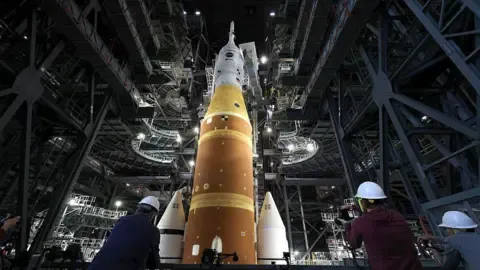
The Apollo missions inspired many to pursue careers in science, technology, and engineering. The Artemis missions, with their live 4K broadcasts, aim to do the same for a new generation.
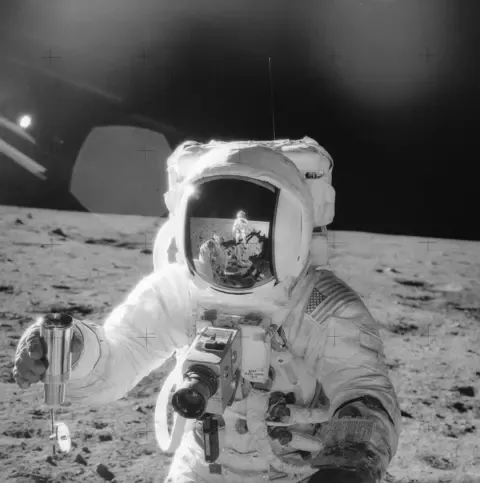
Libby Jackson emphasizes that space has a unique ability to excite people about these subjects. This inspiration can lead to new jobs and a thriving space economy, providing a return on the billions invested in Artemis. Additionally, technologies developed for the missions may have beneficial uses on Earth.
Helen Sharman believes a return to the Moon will also boost global morale. It demonstrates what humans can achieve when they work together for the benefit of humankind.