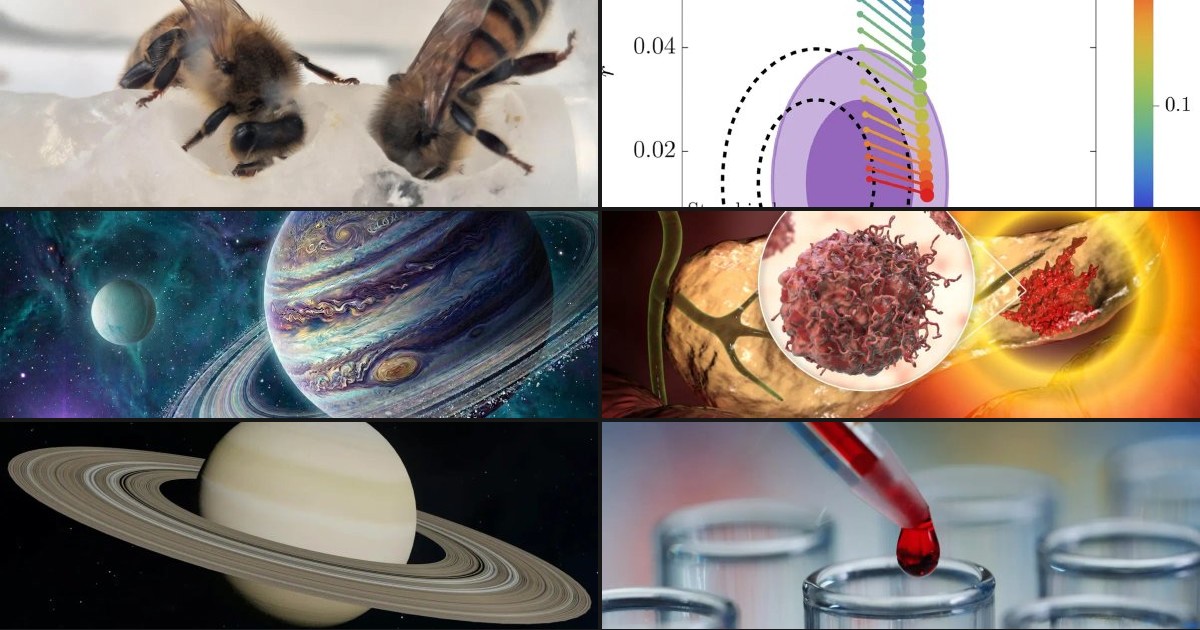
This week, it seems science decided to politely inform us that much of what we thought we knew, well, wasn't quite right. From the furthest reaches of the cosmos to the inner workings of our own bodies, researchers were busy flipping conventional wisdom on its head, revealing a universe and a biology far more intricate and surprising than previously imagined.
The Cosmos: Stranger Than Fiction (and Our Old Theories)
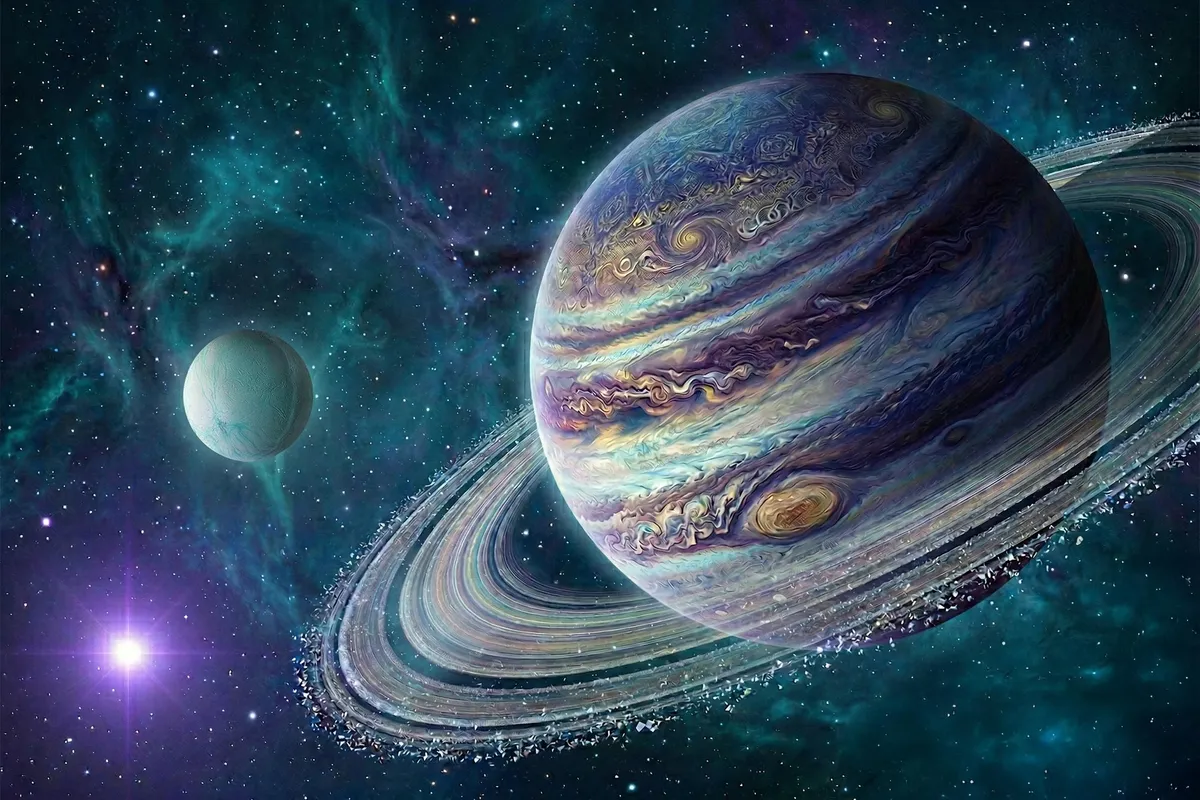
It turns out, the universe has been keeping some rather interesting secrets, and our telescopes (and theories) are finally starting to catch up. For decades, scientists have been scratching their heads over Saturn's seemingly erratic rotation. This week, we learned that 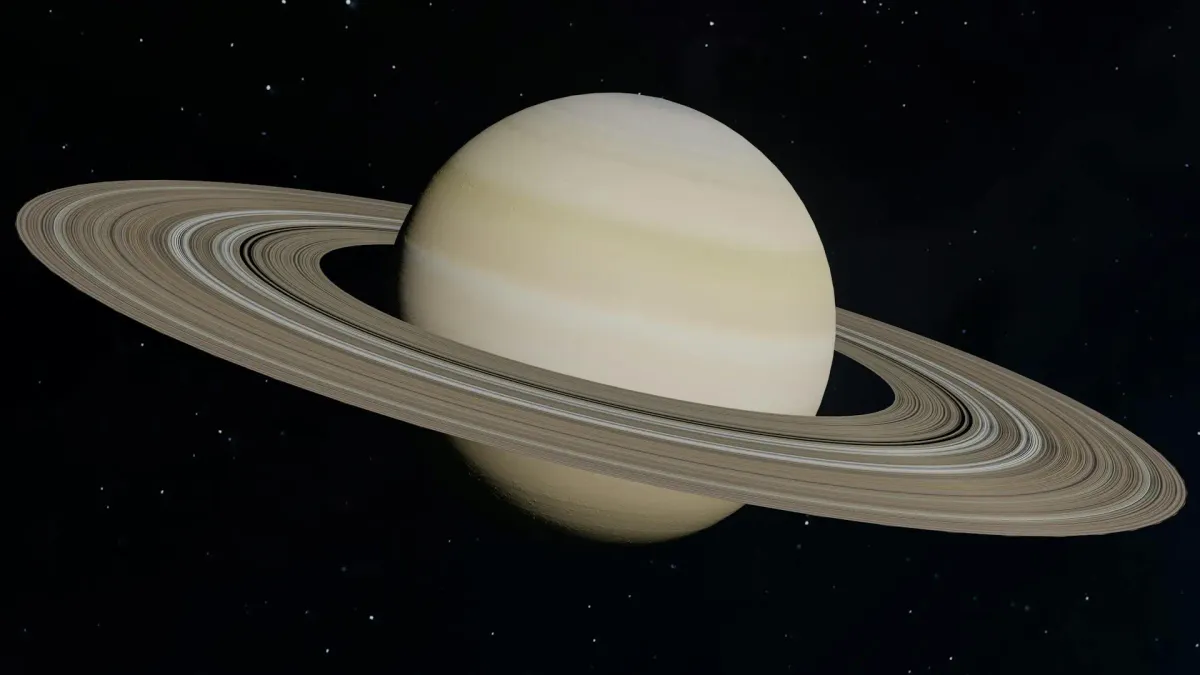 "Saturn's auroras are tricking us into thinking the planet spins weirdly." A planet's spin rate should be consistent, but the planet's dazzling light show was simply throwing off our measurements. A clever bit of planetary misdirection, if you will.
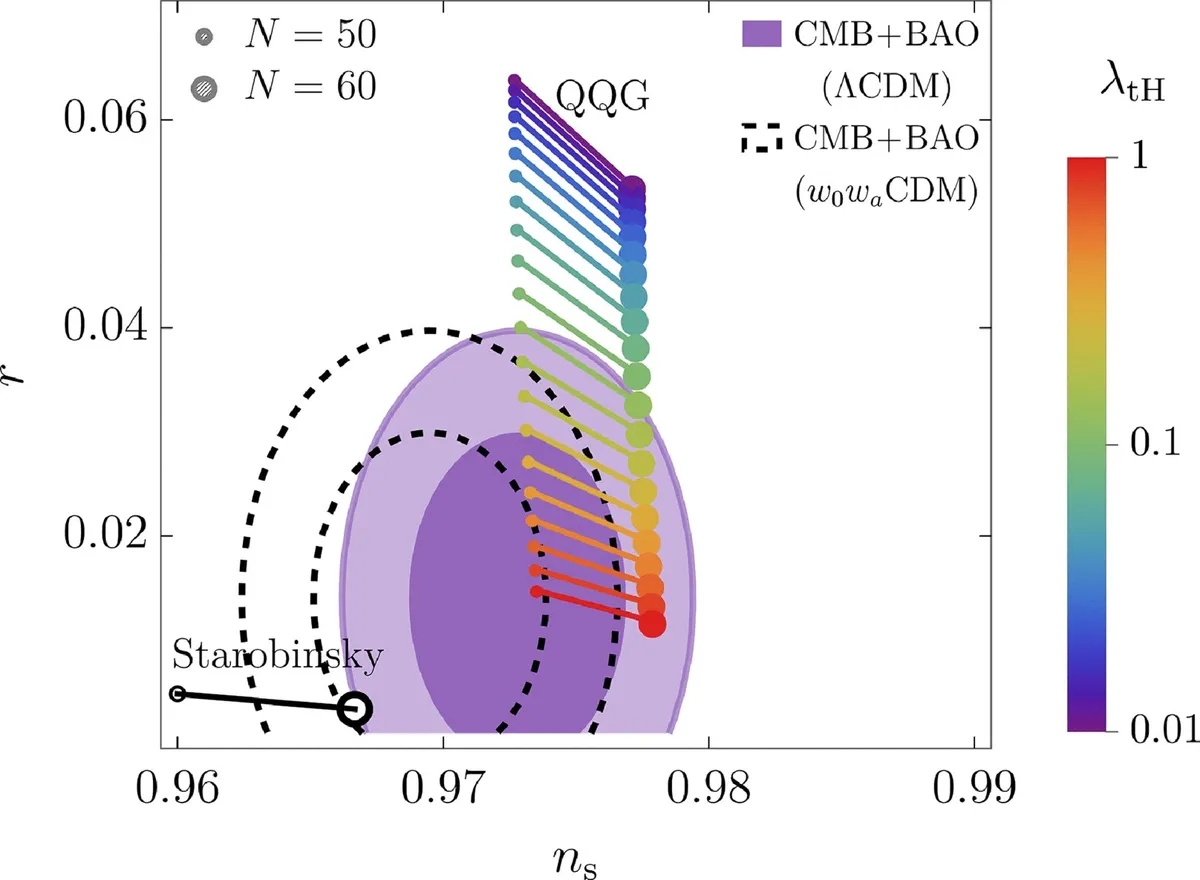
But the cosmic recalibration didn't stop there. The very beginning of everything might need a rewrite, as "The Big Bang's Wild Expansion Might Be Simpler Than We Thought" suggests a more elegant model for the universe's infancy. And for those contemplating life beyond Earth, consider this: "Moons orbiting planets without a star could host life for billions of years." That's right, forget sunny Goldilocks zones; some rogue moons drifting through interstellar space might be perfectly habitable. It's almost as if the universe enjoys proving our neat little boxes wrong.
We're a new kind of news feed.
Regular news is designed to drain you. We're a non-profit built to restore you. Every story we publish is scored for impact, progress, and hope.
Start Your News DetoxBiology: Unlocking Hidden Mechanisms
Closer to home, the biological world also revealed its hidden depths, particularly when it comes to health and the sheer resilience of life. The perennial struggle of diabetics might be eased soon, as a "New insulin pill uses clever peptide to replace daily injections for diabetics" moves closer to reality, finally overcoming the digestive system's knack for destroying the drug.
Then there's the rather profound discovery that "Scientists just found a way to heal skin without leaving any scars." This isn't just about vanity; it's about reactivating an embryonic regrowth mechanism. Imagine a future where injuries simply... vanish. And for those tiny, vital creatures that keep our ecosystems humming, a new "superfood" for honeybees — engineered yeast producing essential nutrients — caused colonies to "explode 15 times over." 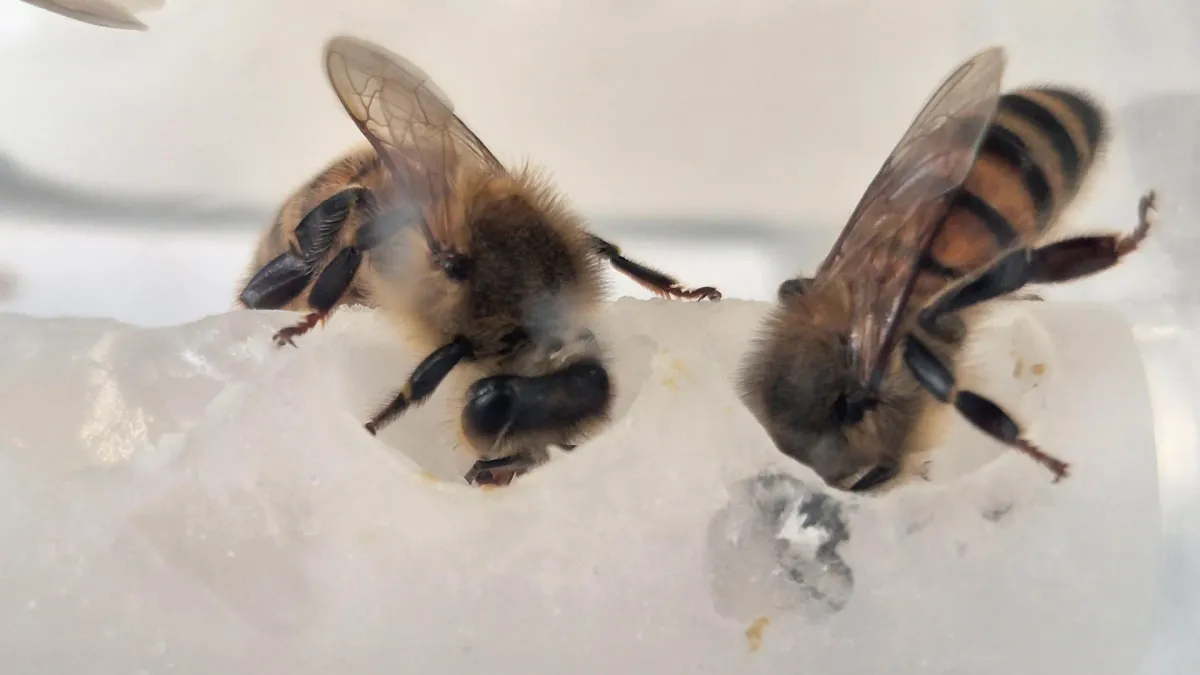 It's a reminder that sometimes, the simplest solutions, once found, can have the most profound impact.
This week, the message from the labs and observatories was clear: the universe and life itself are far more inventive than we've given them credit for. The more we learn, the more we realize how much more there is to discover, and how often the answers lie just beyond our current understanding.