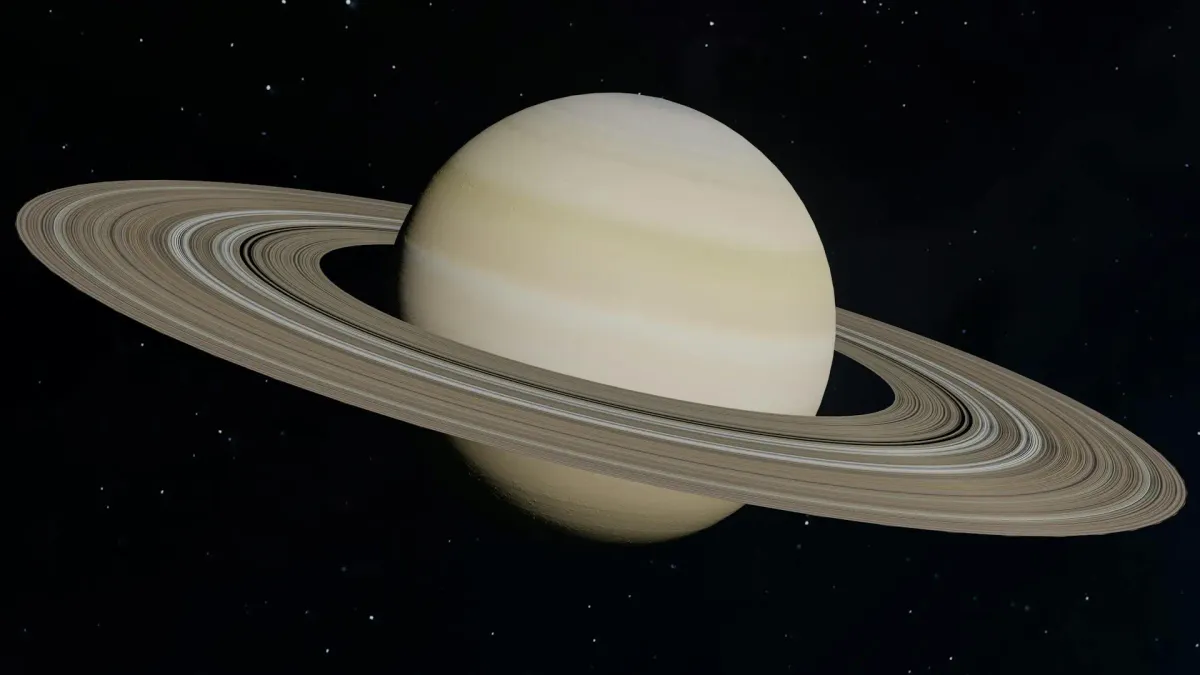
For decades, scientists watched Saturn and thought it was spinning at different speeds. That's a huge cosmic head-scratcher, because planets usually don't just randomly speed up or slow down.
Turns out, it was all an illusion. The James Webb Space Telescope just cracked the case: Saturn's own northern and southern lights (its auroras) are creating a wild, self-sustaining loop that makes the planet look like it's rotating strangely.
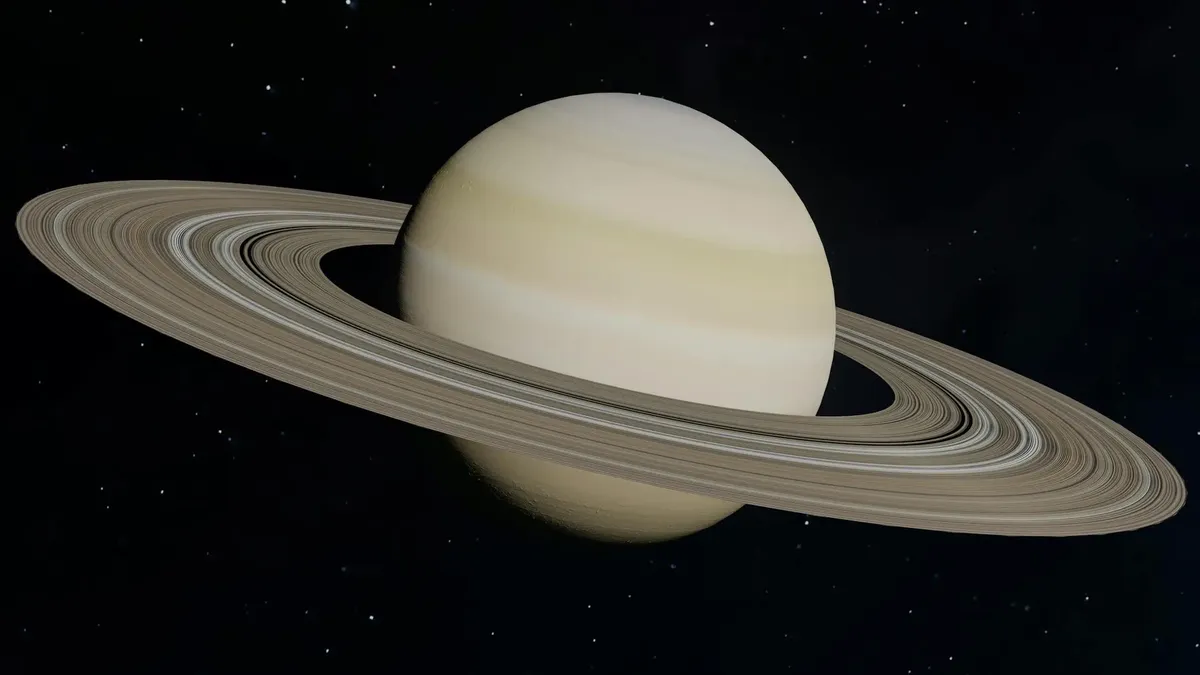
Tom Stallard, who led the study at Northumbria University, said they knew something was off but couldn't pin it down. They figured out winds were involved, but what was powering those winds? That was the real mystery.
We're a new kind of news feed.
Regular news is designed to drain you. We're a non-profit built to restore you. Every story we publish is scored for impact, progress, and hope.
Start Your News DetoxAn Invisible Engine at Work
The whole puzzle started back in 2004 with NASA's Cassini mission. Its data suggested Saturn's spin rate was changing, which just didn't add up. Later, scientists realized the signal they were using wasn't from the planet's deep core, but from its upper atmosphere. High-up winds were messing with the electrical currents, making the aurora signals look like the planet itself was changing speed.
But the big question remained: what was making those winds so powerful?
That's where the James Webb Space Telescope came in. Researchers pointed Webb at Saturn's northern aurora – like Earth's Northern Lights, but way bigger – and watched it for a whole Saturnian day, which is about 10 hours and 33 minutes. This gave them a super detailed look at how the aurora changed.
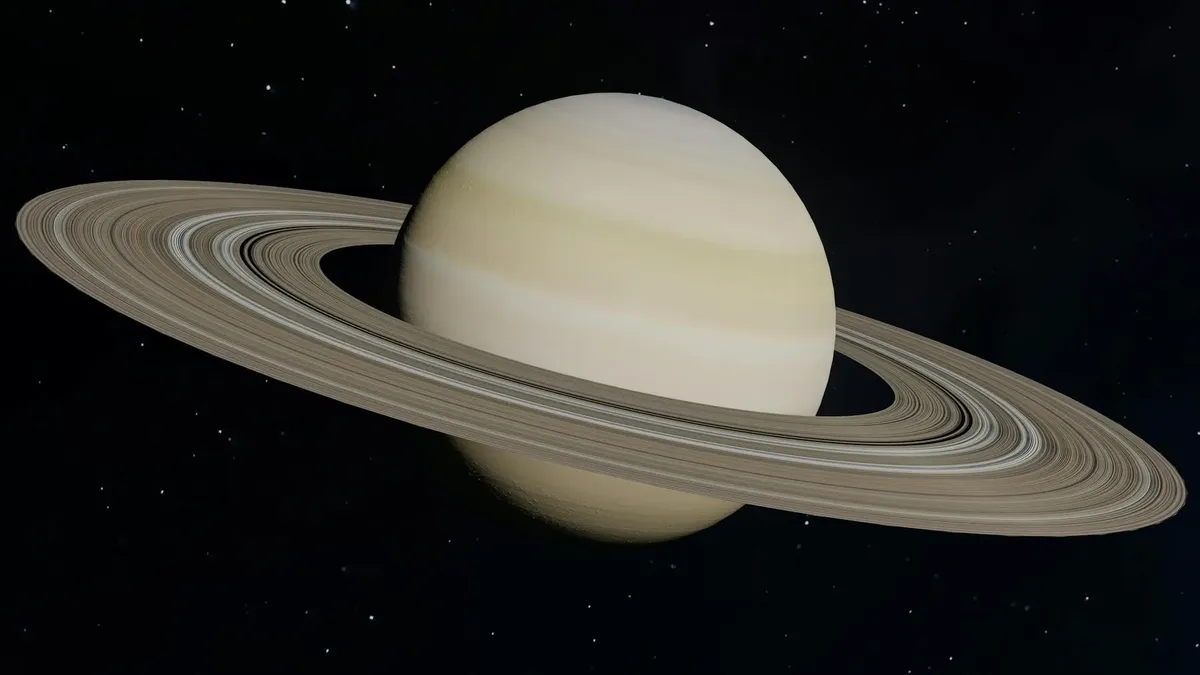
The secret weapon was a special molecule called trihydrogen cation (H₃⁺). This molecule glows in infrared light, basically acting like a natural thermometer for the upper atmosphere. By tracking its glow, scientists mapped out temperatures and particle density around Saturn's poles.
Previous measurements were pretty fuzzy. Webb's data, though, was ten times more precise. It showed tiny hot and cool spots for the first time. The hottest spots lined up perfectly with where the aurora's energy was hitting the atmosphere. Stallard called it a "planetary heat pump."
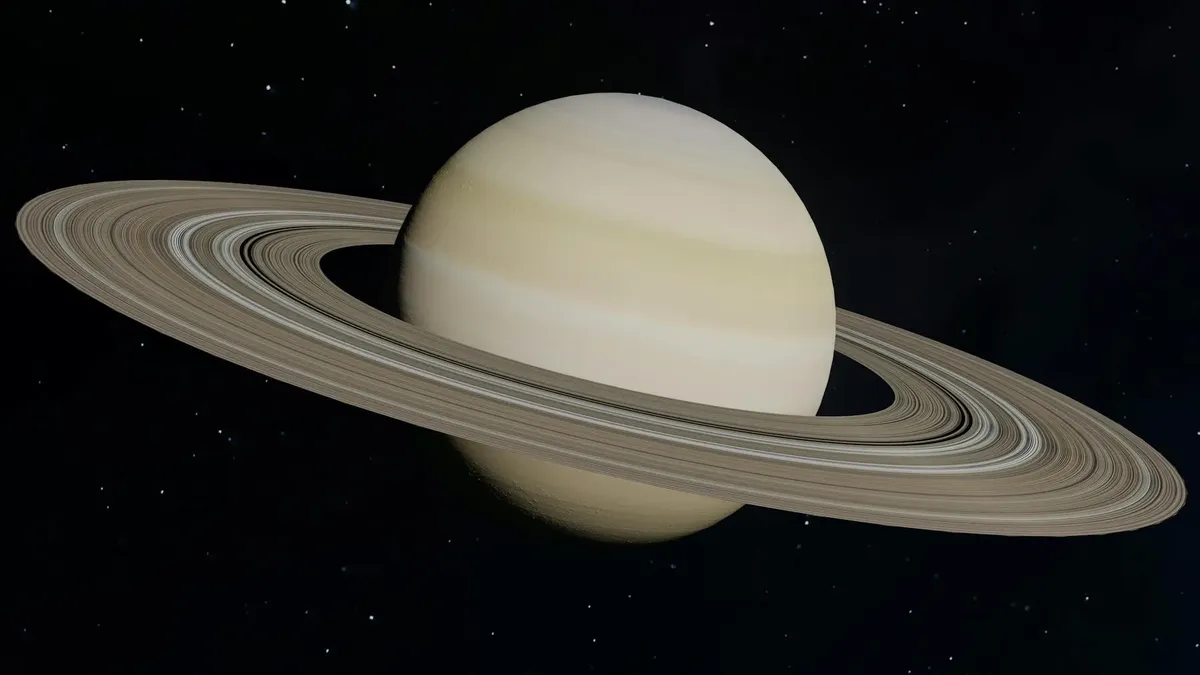
Here's the cool part: Saturn's aurora heats its atmosphere. That heat then drives strong winds. These winds, in turn, create electrical currents that power the aurora, which then heats the atmosphere again. It's a never-ending, self-feeding system.
Beyond Just Saturn's Spin
This discovery isn't just about Saturn's weird spin. It shows a seriously deep connection between a planet's atmosphere and its magnetosphere – that magnetic bubble surrounding it. It's not just energy from space hitting the atmosphere; the atmosphere itself is actively shaping what happens in space around the planet.
This new insight could totally change how we understand signals from other gas giants, not just in our solar system but also planets far, far away. It might even affect how we study exoplanets, where similar aurora processes could be doing wild things to their atmospheres. Stallard put it simply: this changes how we think about all planetary atmospheres. If a planet's atmosphere can drive currents into space, who knows what other secrets are hiding out there?