Get this: scientists just built a laser so small, you could fit thousands on a single computer chip. And it could totally change how our devices work.
Right now, your computer uses electricity to move data around. That creates heat, and it slows things down. But these new tiny lasers? They use light instead. Think fiber optic internet, but inside your phone or laptop.
Developed at the Technical University of Denmark (DTU), this "nanolaser" is a serious breakthrough. DTU professor Jesper Mørk says it could cut computer energy use by about half. That's a huge deal for everything from your smartphone battery to those massive data centers that power the internet.
We're a new kind of news feed.
Regular news is designed to drain you. We're a non-profit built to restore you. Every story we publish is scored for impact, progress, and hope.
Start Your News DetoxThe Clever Trick Behind It
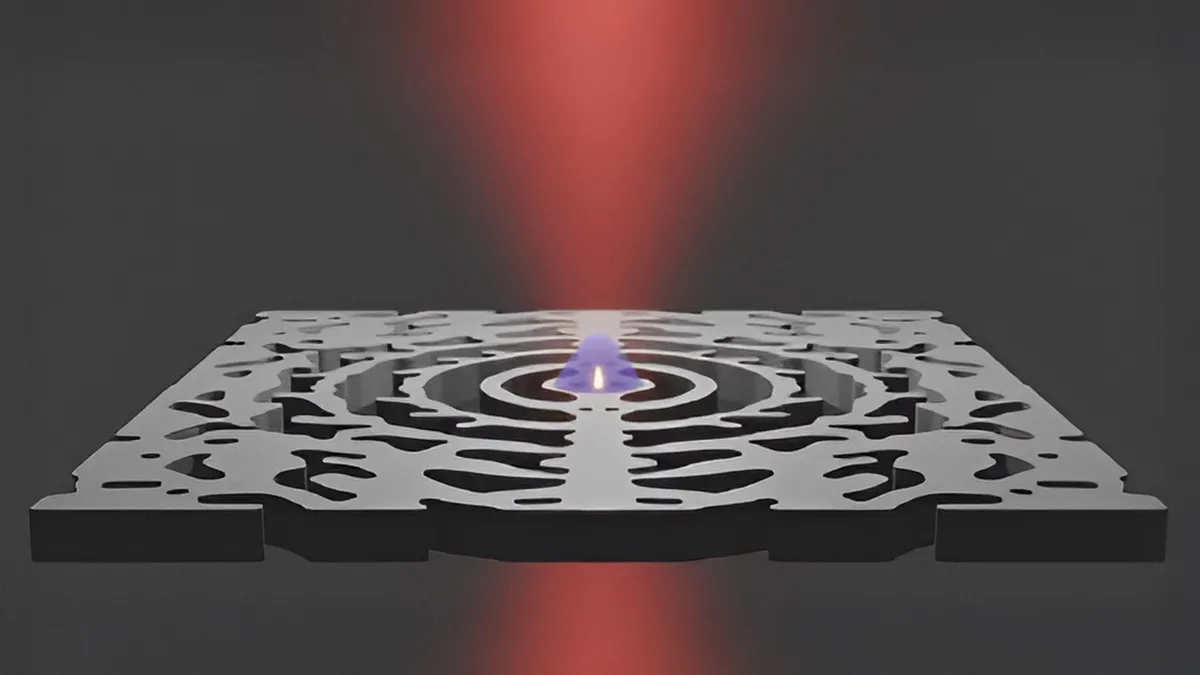
The team, including Drs. Meng Xiong and Yi Yu, built this laser in a place called the DTU Nanolab. Their secret weapon is a "nanocavity." It's a special structure that traps light in an incredibly tiny space. For a long time, scientists thought this was impossible.
When light hits this nanocavity, both the light and electrons get stuck inside. This clever design means the laser works at room temperature and sips power. The nanocavity idea actually came from Professor Ole Sigmund's group at DTU Construct.
So, what does this mean for you? Imagine a smartphone that's way faster and stays charged for days. Or data centers that use a lot less electricity, which is better for the planet.
The next big step is getting these lasers to run on electricity directly. If they pull that off, we could see this tech in our devices within the next five to ten years. Seriously cool stuff.