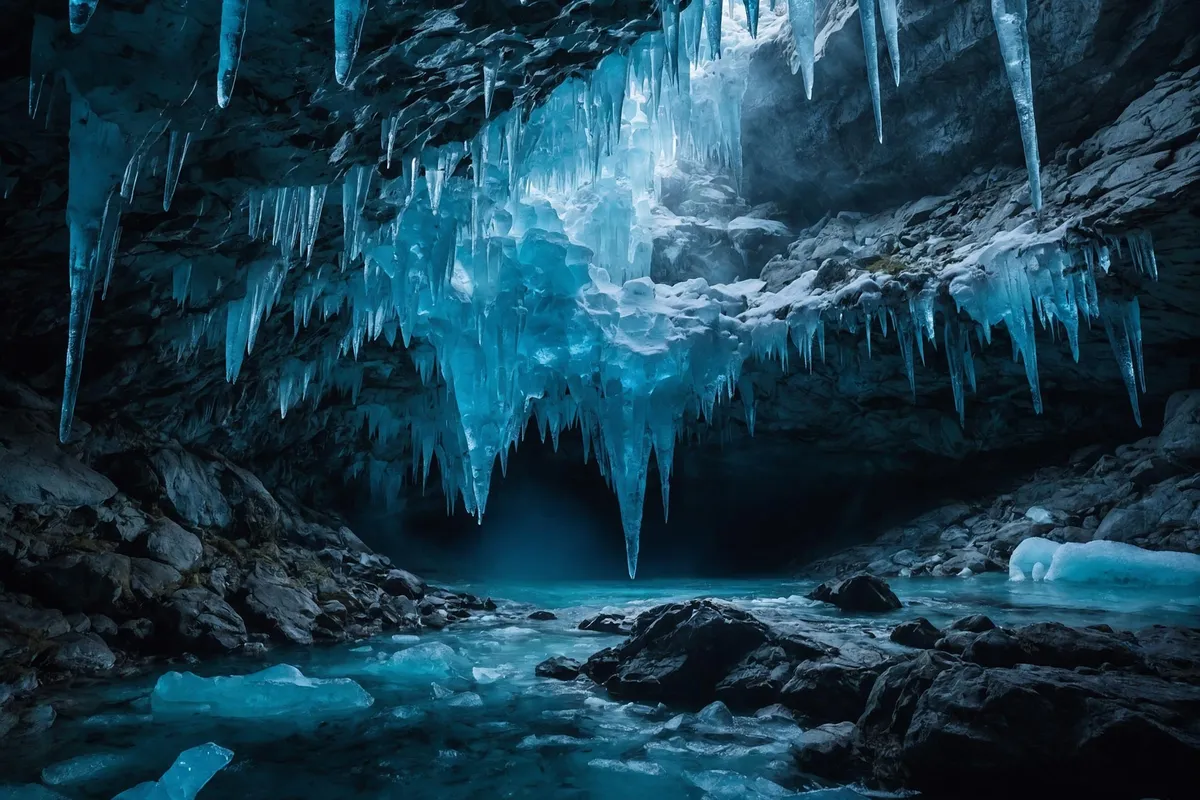
A platinum mystery buried in Greenland ice for over a decade may finally have an answer — and it points not to the sky, but to the Earth itself.
Sometime around 12,870 years ago, the climate did something dramatic. Temperatures across Greenland plummeted by more than 15°C. Forests that had begun reclaiming Europe retreated back into tundra. Rain patterns shifted. This thousand-year cold snap, called the Younger Dryas Event, was one of the most abrupt climate shifts in human prehistory.
For decades, scientists debated what caused it. The leading explanation involved freshwater from melting North American ice sheets pouring into the ocean and disrupting the currents that carry warm water north. But in 2013, researchers drilling ice cores in Greenland found something odd: a spike in platinum levels that didn't match anything in known meteorites. Some scientists proposed an asteroid or comet impact — the kind of dramatic, space-based explanation that captures headlines.
We're a new kind of news feed.
Regular news is designed to drain you. We're a non-profit built to restore you. Every story we publish is scored for impact, progress, and hope.
Start Your News DetoxThe problem was the chemistry didn't quite fit. Meteorites typically carry high levels of iridium alongside platinum. This ice core spike had plenty of platinum but almost no iridium. It was a puzzle.
The volcanic clue
New research comparing the ice core's chemical fingerprint to geological samples from around the world found its closest match in an unexpected place: volcanic gas condensates, particularly from submarine volcanoes. Iceland's underwater and subglacial eruptions, it turns out, can produce exactly this kind of platinum-rich signature.
The timing supports this theory. During the period when the ice sheet was melting, Iceland's volcanic activity spiked — a consequence of reduced pressure on the Earth's crust as ice melted. Submarine eruptions lasting years or even decades could easily account for the 14-year platinum spike preserved in the ice.
The mechanism is elegant: seawater interacting with volcanic gases strips away sulfur compounds while concentrating platinum and other elements. These platinum-rich gases could then drift to Greenland and settle on the ice sheet, creating exactly the chemical signature researchers found.
But here's where the story gets more interesting. The platinum spike itself didn't trigger the Younger Dryas — the timing doesn't match. What did line up precisely with the onset of cooling was a massive volcanic sulfate spike in ice cores worldwide. This eruption, whether from Iceland's Laacher See or another volcano, injected sulfur into the stratosphere on a scale rivaling the largest recorded eruptions. Sulfur particles reflect sunlight back into space, cooling the planet. That cooling could have triggered a cascade: expanding sea ice, shifting wind patterns, disrupted ocean currents — feedbacks that locked Earth into a cold state.
So the platinum spike may not be the smoking gun itself, but evidence of the volcanic activity that was happening in the background. The actual trigger was the sulfur, not the platinum. A volcanic system rumbling hard enough to reshape the climate.
This doesn't close the book on the Younger Dryas — it opens a new chapter about how volcanoes and climate interact during periods of rapid change.