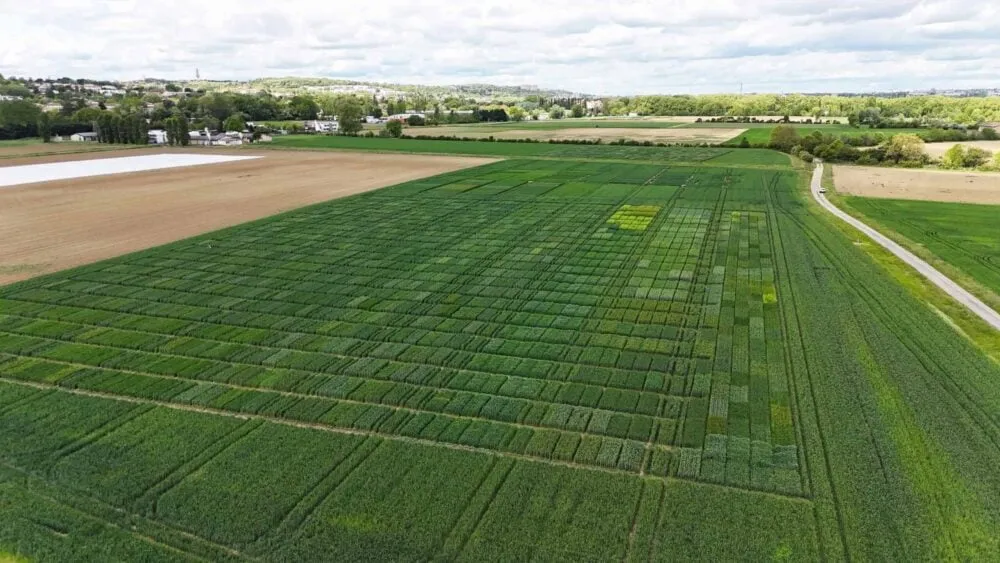
By spring 2026, a two-hectare field in France will reveal something you can only see from above: a giant human eye, rendered entirely in wheat.
The artist behind it is Almudena Romero, a Spanish photographer who decided to stop using cameras altogether and start using photosynthesis instead. Each wheat plant becomes a pixel. Subtle variations in plant pigment create the image as the crop matures — a living photograph that emerges over months, visible only to drones and planes passing overhead.
"I wanted to see what photography could become if it worked with living systems rather than industrial processes," Romero said. "The landscape becomes both the medium and the message."
We're a new kind of news feed.
Regular news is designed to drain you. We're a non-profit built to restore you. Every story we publish is scored for impact, progress, and hope.
Start Your News DetoxThe project, called Farming Photographs, is a year-long collaboration with INRAE, France's national institute for agriculture, food and the environment. It's a deliberate reimagining of the anthotype technique, a 19th-century photographic method that used plant pigments to create images — except this time, the entire field is the canvas.
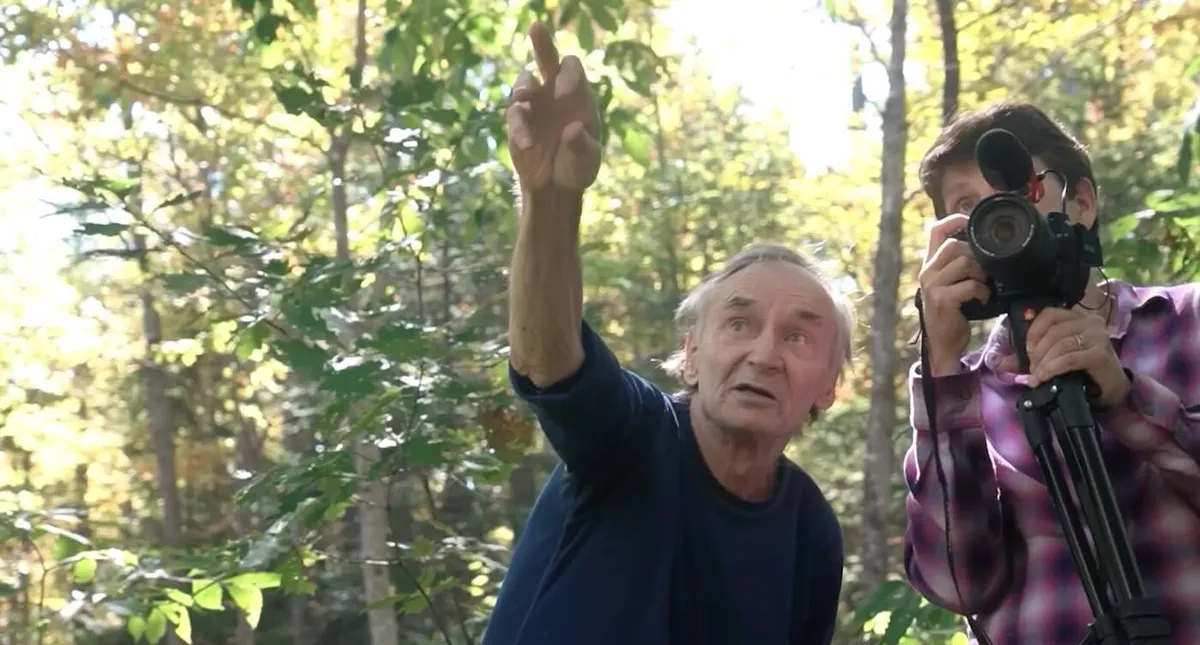
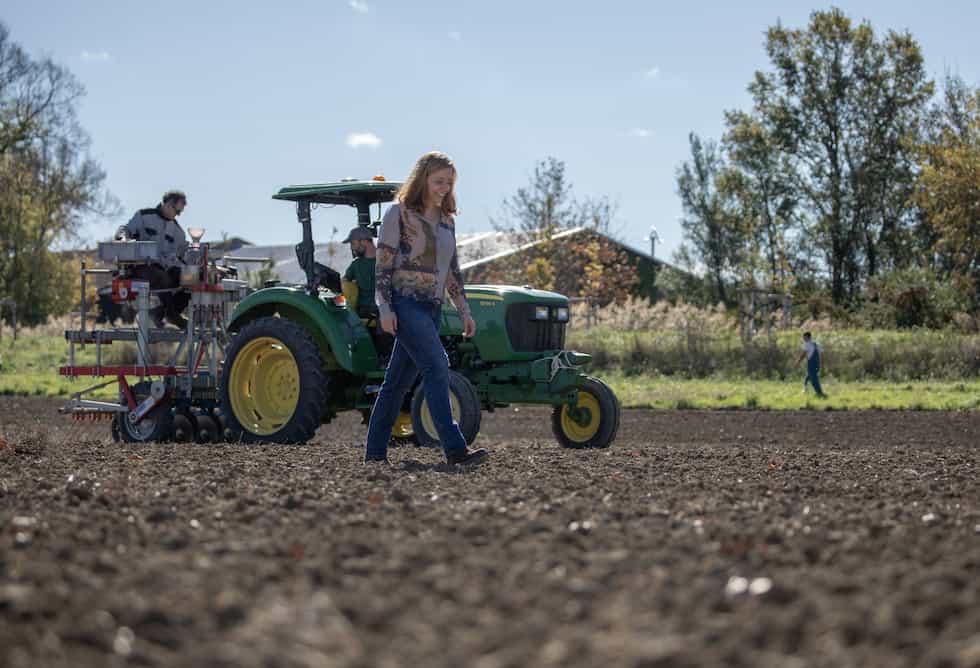 A team helped Romero sow seeds in October 2025
Romero grew up in a family of sustainable orange farmers in Valencia, so the collision between art and agriculture isn't accidental. She's spent years thinking about how we do things as much as what we do — a question that feels urgent in the current environmental crisis. With this project, her photographic practice finally circles back to its roots, creating images through light and plant growth rather than industrial chemicals and equipment.
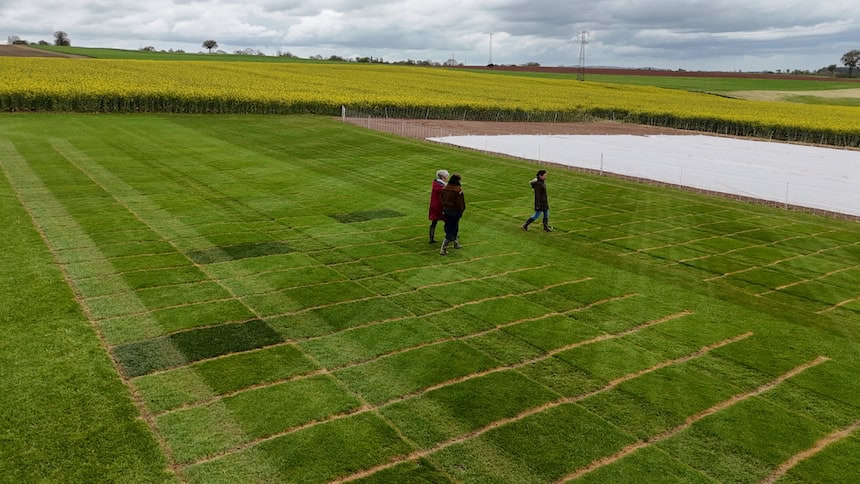 The team also welcomed a visiting grass specialist to the site
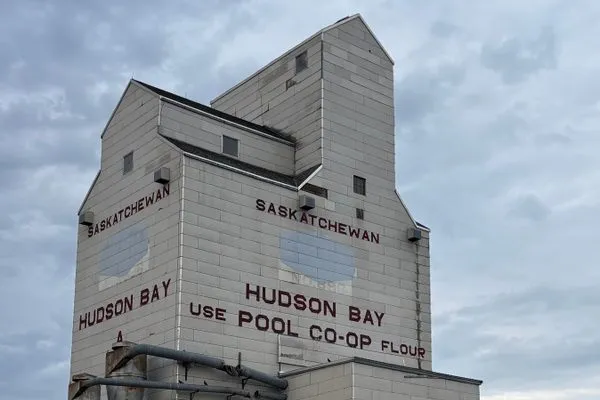
The work will shift with light, weather and the rhythm of the seasons. It won't stay static or permanent — that's the point. And when the image has fully emerged, the wheat will be harvested, milled and distributed locally as flour. The art becomes food. The field becomes community.
CLAIRE MANCEAU, a researcher at INRAE, describes it simply: "a meeting of art and ecology that shows how creativity can reconnect us with the land." By spring 2026, anyone flying over this corner of France will see proof of that connection, written in green and gold.