Taxonomists identified 309 new species of freshwater fish in 2025. This is according to a report from SHOAL, the IUCN Freshwater Fish Specialist Group (FFSG), and the California Academy of Sciences (CAS).
This number means almost one new fish species was described each day. It's the highest count since 2017 and the third-highest since scientists started keeping records in 1758.
Discovering New Species
These new fish species come from five continents. They live in many different places, like limestone caves, peat swamps, wetlands, and rivers. Most of these species are found only in one specific area, and some are already at risk of disappearing.
We're a new kind of news feed.
Regular news is designed to drain you. We're a non-profit built to restore you. Every story we publish is scored for impact, progress, and hope.
Start Your News DetoxAsia led the way with 165 new fish species. South America followed with 91, Africa with 30, North America with 20, and Europe with three.
Michael Edmondstone from SHOAL noted that this report shows how many surprises our planet's rivers and wetlands still hold. He hopes it makes people curious about freshwater life.
Some interesting new species include two cave fish from China: Yang’s plateau loach (Triplophysa yangi) and the Sichuan mountain cave loach (Claea scet). Both are specially adapted to live in constant darkness.
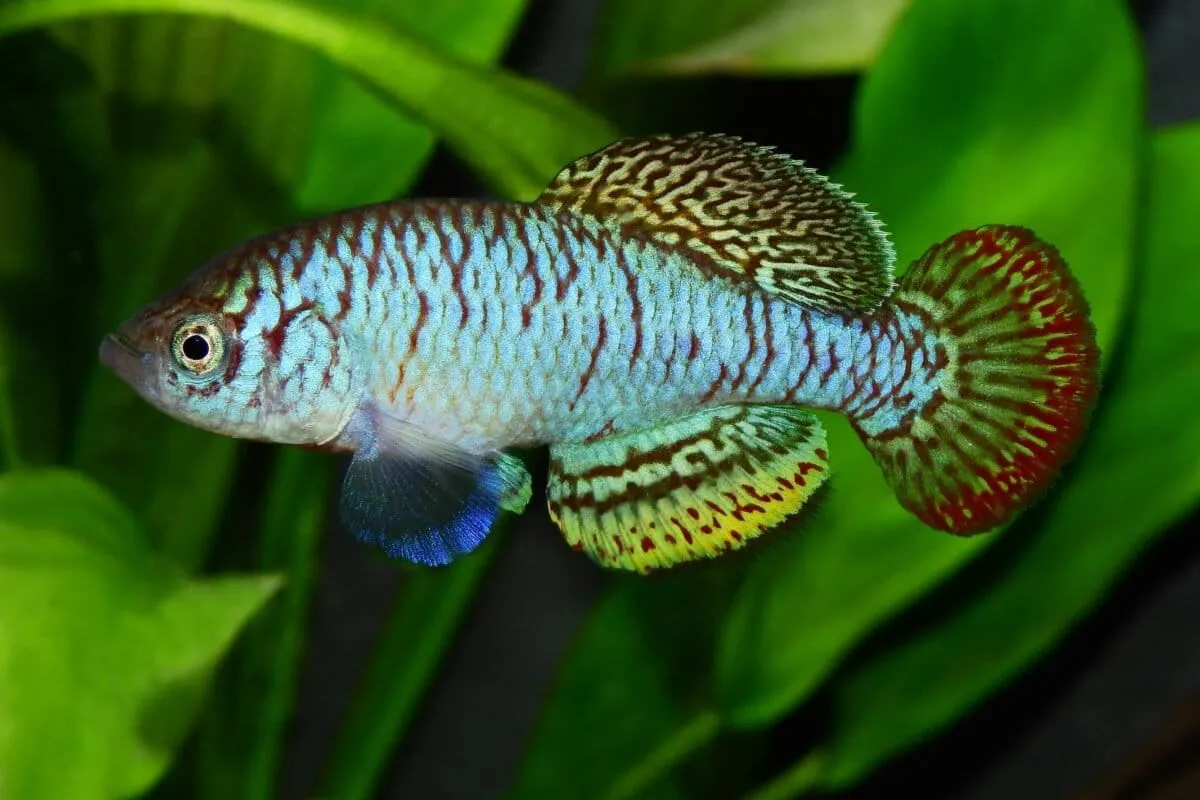
Scientists also described two new species from East Africa using museum specimens from Germany. From the Democratic Republic of Congo, four new killifish (Nothobranchius spp.) species were found. These fish live in wetlands, growing and reproducing in rain puddles within weeks. When the water dries, their drought-resistant embryos stay in the mud, waiting for the next rain. Their short lives make them vulnerable to changes in rain patterns. Nearly three-quarters of the 100 Nothobranchius species on the IUCN Red List are already threatened.
A 60-centimeter (24-inch) sicklefin redhorse (Moxostoma ugidatli) was found in the Appalachian Mountains in the U.S. This might be the largest fish described in North America in the last century. Its name comes from a Cherokee phrase meaning "wearing a feather," referring to its feather-like, sickle-shaped dorsal fin.
Why Formal Descriptions Matter
Freshwater fish are among the most threatened groups of animals with backbones. Their homes are vanishing due to pollution, too much water being taken, invasive species, climate change, and overfishing. One new species from Kenya, Nothobranchius sylvaticus, is already critically endangered.
Richard van der Laan from CAS warned that many freshwater fish species could disappear before we even know about them.
A formal scientific description is crucial for conservation. It helps assess how likely a species is to go extinct. It also allows for trade regulation under agreements like CITES and helps develop management plans. Edmondstone explained that until species are formally identified and named, they are largely invisible to conservation efforts. Recognizing them scientifically is the first essential step to protecting them.
Nothobranchius iridescens*), although identified in 2013, was only described in 2025 from the DRC, as there was no road access to collect specimens until recently. Image courtesy of Béla Nagy.*