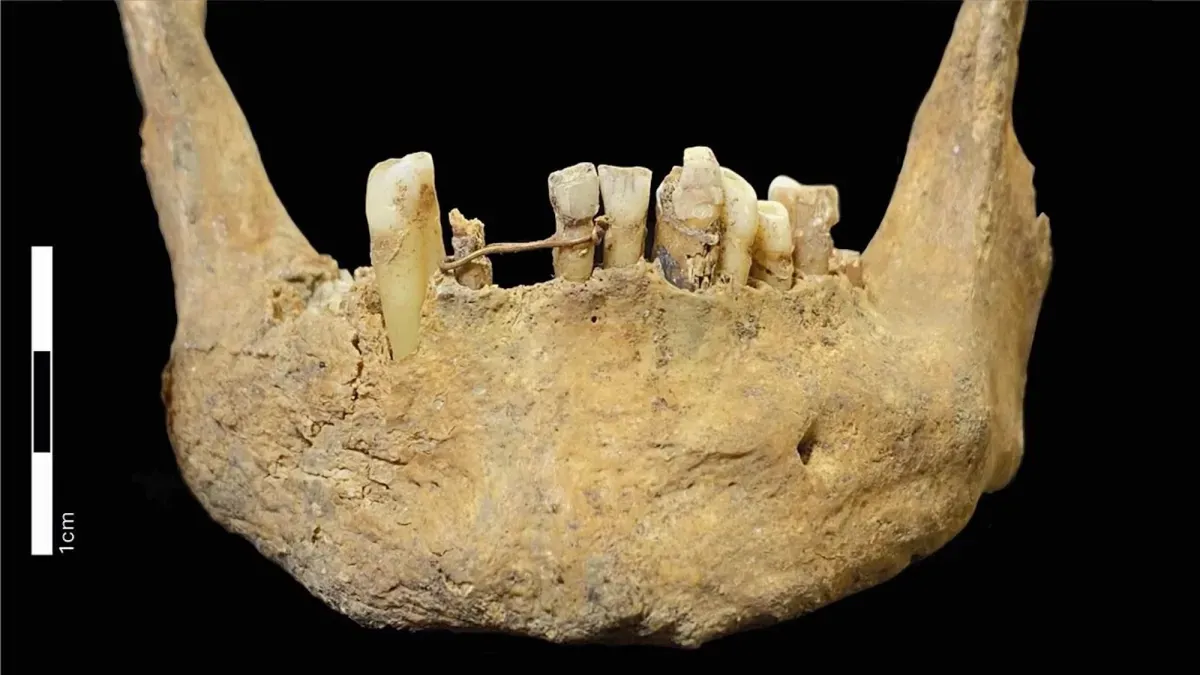
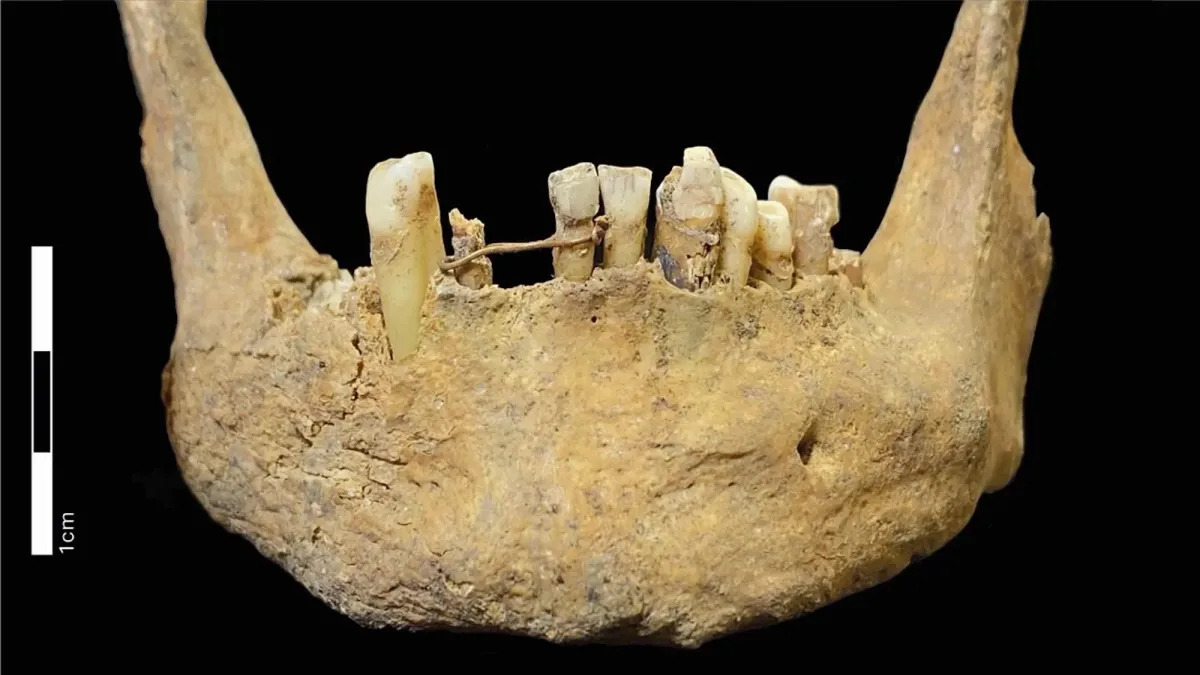
Turns out, you didn't need a fancy modern dentist to flash some serious bling. A medieval Scot, who shuffled off this mortal coil sometime between 1460 and 1670, was found sporting a 20-carat gold dental bridge. Because apparently, even back then, a good smile was worth its weight in, well, gold.
This isn't just a fun historical tidbit; it's the oldest dental bridge ever found in Scotland, published in the British Dental Journal. And it wasn't some flimsy, last-minute job. This thing was a serious piece of medieval engineering, designed to keep a man's pearly whites (or at least, his one remaining tooth) in place.
Ancient Grins and Golden Threads
While we might picture medieval dentistry as a barber with a pair of rusty pliers and a bottle of questionable whiskey, the truth is, humans have been trying to fix their chompers for millennia. Simple ligatures — basically, wires to hold teeth together — date back to ancient Egypt, around 2,500 BCE. Sometimes, these were even put in after death, just to make sure the deceased looked presentable for the afterlife. Talk about commitment.
We're a new kind of news feed.
Regular news is designed to drain you. We're a non-profit built to restore you. Every story we publish is scored for impact, progress, and hope.
Start Your News DetoxBut complex dental work became more common in Europe during the Middle Ages. And yes, "dentatores" or barbers often handled the dirty work, not your highly-trained surgeon. Before this golden discovery, England had very few dental ligatures from before the 17th century, and Scotland had precisely zero.
So, when archaeologists from the University of Aberdeen were sifting through skeletal remains from the East Kirk of St. Nicholas Kirk, they found something truly unique. Among 900 individuals, only one skull had this fancy dental work. Using a battery of modern tech, including X-ray spectroscopy and radiocarbon dating, they pinpointed the owner: a middle-aged man who died in Aberdeen.
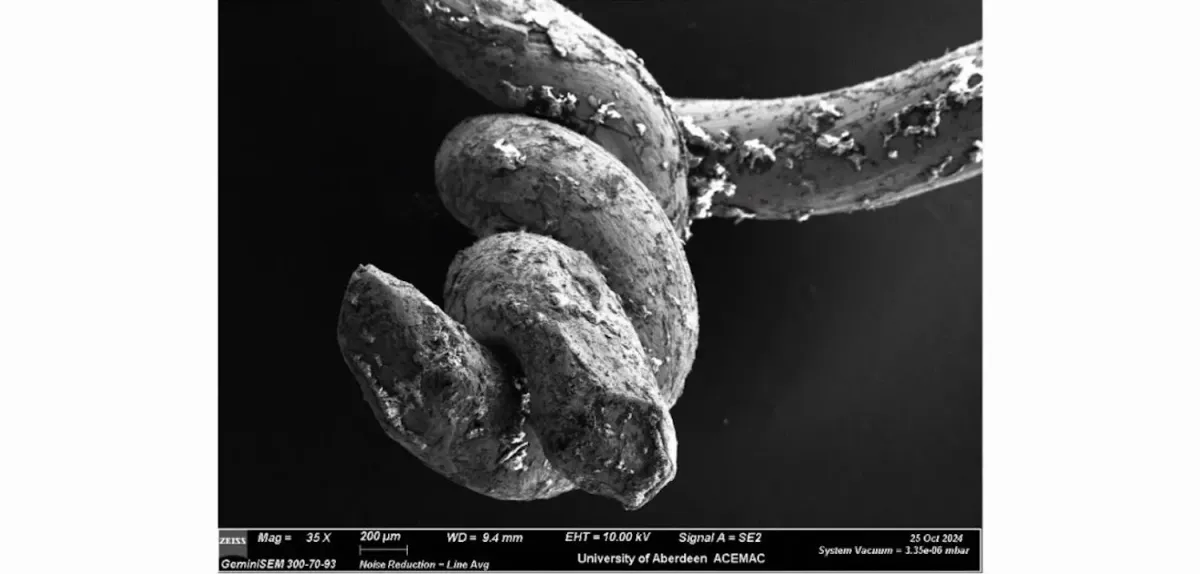
The 20-carat gold alloy ligature screams "wealthy and well-connected." While we don't know for sure where he got his dental work done, Aberdeen had about 22 goldsmiths during that era. Plenty of skilled hands to craft and knot such a delicate, yet durable, piece.
Why go through all that trouble? Researchers suggest it was "multifaceted." In those days, your physical appearance was often tied to your character, even your sins. A good smile wasn't just about chewing; it was about social standing. Which, if you think about it, is both impressive and slightly terrifying.
This golden grin isn't just a testament to medieval dental tech; it's a shining example of how long humans have linked wealth, beauty standards, and personal health. Some things, it seems, never change.