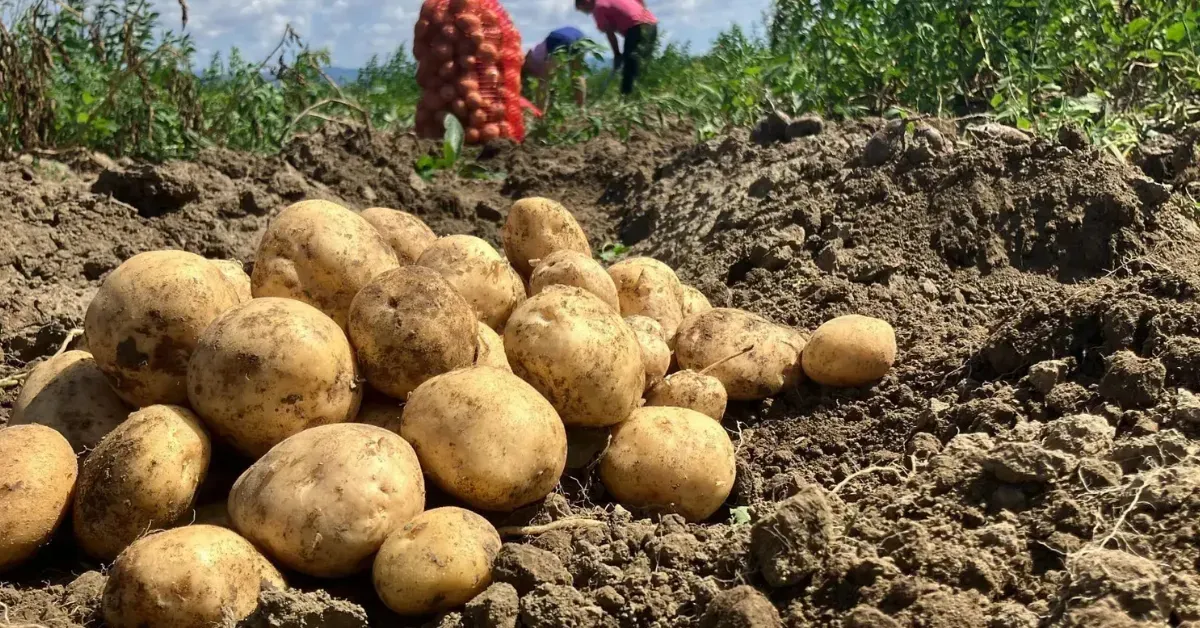
Potatoes are woven into India's winter farming calendar for a reason. They mature fast—three to four months from planting to harvest—fit neatly into short winter windows, and move easily through local markets. For farmers working with limited land or seasonal growing windows, that speed matters.
But speed only works if you get the fundamentals right. A potato crop lives mostly underground, which means the work starts in the soil before a single tuber is planted.
Start with soil that drains
Potatoes need to breathe. Heavy, compacted soil suffocates them and invites rot. Light to medium loam is the sweet spot. Before planting, plough the field two to three times to break it up, remove stones and old crop residue, and work in well-rotted manure. The goal is a fine, crumbly structure that lets water drain without pooling. Waterlogging is a potato killer.
We're a new kind of news feed.
Regular news is designed to drain you. We're a non-profit built to restore you. Every story we publish is scored for impact, progress, and hope.
Start Your News DetoxTiming matters too. In most of India, winter planting starts once temperatures settle between 15 and 25 degrees Celsius. Choose varieties suited to your region's climate and what local buyers want—whether that's table potatoes, processing types, or seed stock. Use certified, disease-free seed tubers. That small investment upfront saves losses later.

Handle seed tubers like they matter
They do. Use tubers weighing 30–50 grams. If you're cutting larger ones, make sure each piece has at least one healthy eye and let the cut surfaces dry for a day before planting. A fungicide or biological treatment reduces disease risk further.
Plant five to seven centimetres deep, with rows spaced 45–60 centimetres apart and individual plants 15–20 centimetres within the row. Crowded plants compete for nutrients and shrink. Too much space and you waste potential yield.
Water with intention
Potatoes are fussy about moisture. They hate both drought and waterlogging. After planting, give a light irrigation if the soil is dry. Once the plants start forming stolons and bulking tubers—roughly mid-season—increase watering. As the foliage yellows near harvest, back off. This staged approach prevents fungal diseases while keeping tubers hydrated.
Feed them well
Potatoes respond to balanced fertiliser, especially nitrogen, phosphorus, and potassium. Apply a basal dose before planting, then split the nitrogen application to avoid excessive leafy growth at the expense of tubers. Potassium improves tuber size and how long they store. Soil testing fine-tunes the exact amounts your field needs.
About three weeks after planting, start "earthing up"—drawing loose soil around the base of plants to cover developing tubers and support stems. Do it again two weeks later if growth warrants it. While you're at it, keep weeds down, especially early on. Mulching helps retain moisture and suppresses weeds at the same time.

Watch for trouble
Aphids, cutworms, late blight, and bacterial wilt are common threats across India's potato belts. Weekly crop inspections catch problems early. Integrated pest management—rotating crops, removing infected plants immediately, avoiding blanket chemical spraying—keeps damage contained without wrecking soil health.
Harvest and store right
Once plant tops dry and yellow, the tubers are ready. Stop irrigation 10–15 days before digging to firm them up. Dig carefully to avoid bruising—damaged potatoes don't store well. Let them dry in shade before moving them into storage.
Proper storage extends shelf life and reduces losses. Cool, well-ventilated conditions work best. Keep them out of direct sunlight to prevent greening. Grade tubers before selling to meet market standards. Timing the sale around local demand and your storage capacity turns a harvest into actual income.
From soil prep to the final sale, the cycle takes discipline and attention. But for farmers in India's winter-growing regions, potatoes have proven themselves worth the effort.