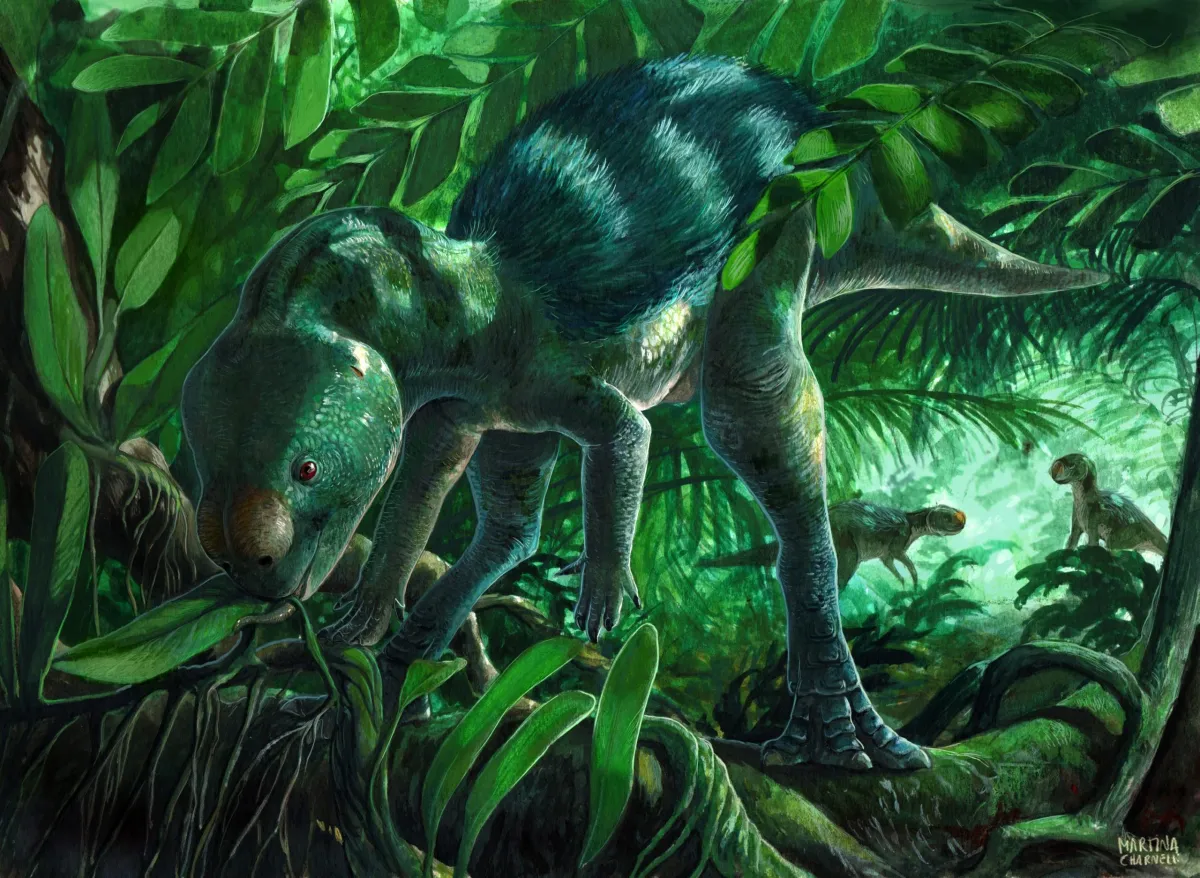
Scientists have identified a dinosaur smaller than a house cat that's forcing a complete rethink of how plant-eating dinosaurs evolved. Foskeia pelendonum, discovered in northern Spain, measured just half a meter long—yet its skull carried anatomical innovations that shouldn't exist at that size.
The fossils came from at least five individuals, all found near the town of Salas de los Infantes in Burgos Province. What struck the research team immediately wasn't the size itself, but what that size revealed. "From the very first moment anybody sees this animal one is staggered by its extreme smallness," says Paul-Emile Dieudonné, who led the international team. "And yet it preserves a highly derived cranium with unexpected anatomical innovations."
Bone analysis confirmed these were adults, not juveniles. Dr. Koen Stein examined the internal structure of the fossils and found evidence of a metabolism approaching that of small mammals or birds—fast-living, fast-growing creatures. This matters because it means Foskeia wasn't just a miniature version of larger dinosaurs. It was something genuinely different, with its own specialized way of life.
We're a new kind of news feed.
Regular news is designed to drain you. We're a non-profit built to restore you. Every story we publish is scored for impact, progress, and hope.
Start Your News Detox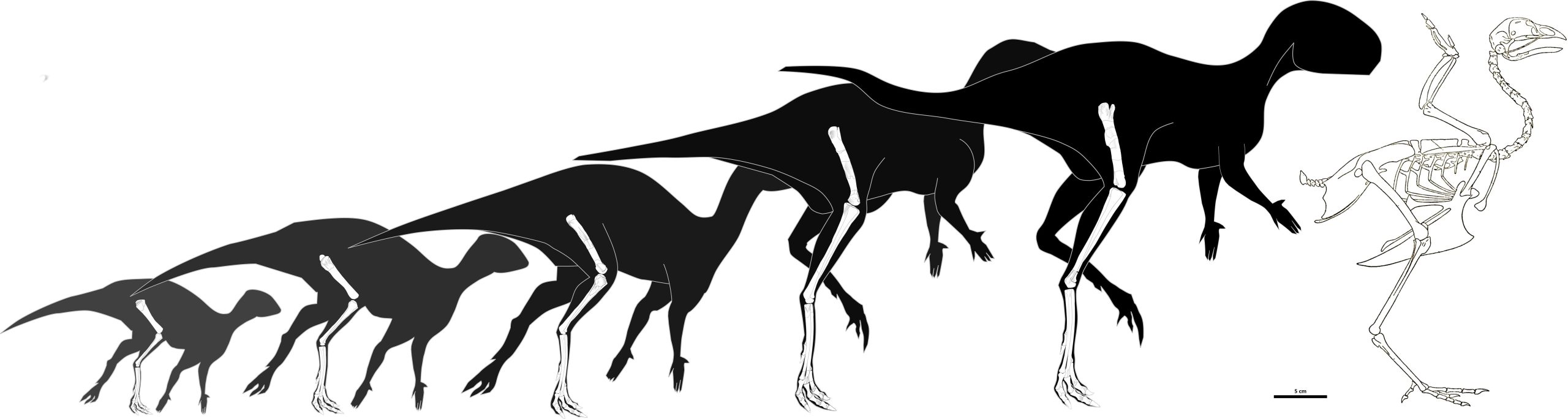
A Missing Link in the Family Tree
Foskeia fills a 70-million-year gap in the fossil record of European plant-eating dinosaurs. Using updated evolutionary analysis, researchers placed it as a close relative of the Australian dinosaur Muttaburrasaurus, within a broader group called Rhabdodontomorpha. The discovery also supports a long-debated evolutionary grouping called Phytodinosauria—a classification that should reshape how scientists understand plant-eating dinosaur relationships.
"This is not a 'mini Iguanodon', it is something fundamentally different," notes Tábata Zanesco Ferreira from Brazil's Federal University of Rio de Janeiro. The animal had distinctive teeth and likely changed posture as it grew, relying on quick bursts of speed to move through dense forest environments of the Early Cretaceous.
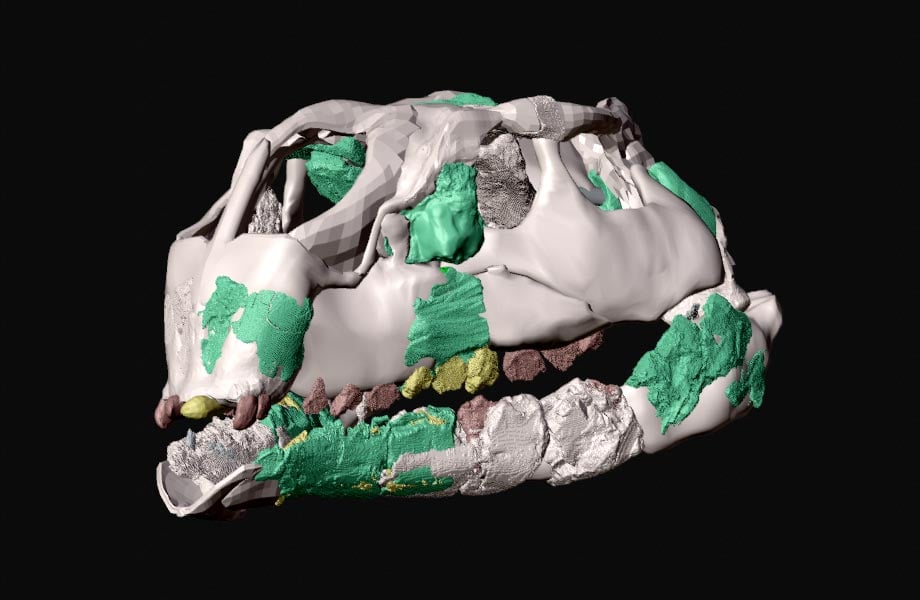
The name itself tells the story. Foskeia comes from ancient Greek—fos meaning light (a reference to its lightweight build) and skei from boskein, meaning to forage. The species name pelendonum honors the Pelendones, a Celtiberian tribe that inhabited the region thousands of years later.
What makes this discovery important goes beyond taxonomy. It demonstrates that evolution experimented just as radically at small body sizes as at large ones. Miniaturization didn't mean simplification. Instead, Foskeia developed its own specialized anatomy, its own ecological niche, its own way of surviving in a world dominated by much larger creatures.
As the research team continues analyzing these fossils, the broader lesson becomes clear: the future of understanding dinosaur evolution may depend less on finding the next giant skeleton and more on paying careful attention to the small, the fragmentary, the overlooked.