On a 150-acre farm in Virginia, something unusual is happening: every single vegetable grown there is destined for someone who can't afford to buy it themselves. The JK Community Farm grows 100 percent of its produce to donate, and in doing so, it's quietly rewriting what food assistance can look like.
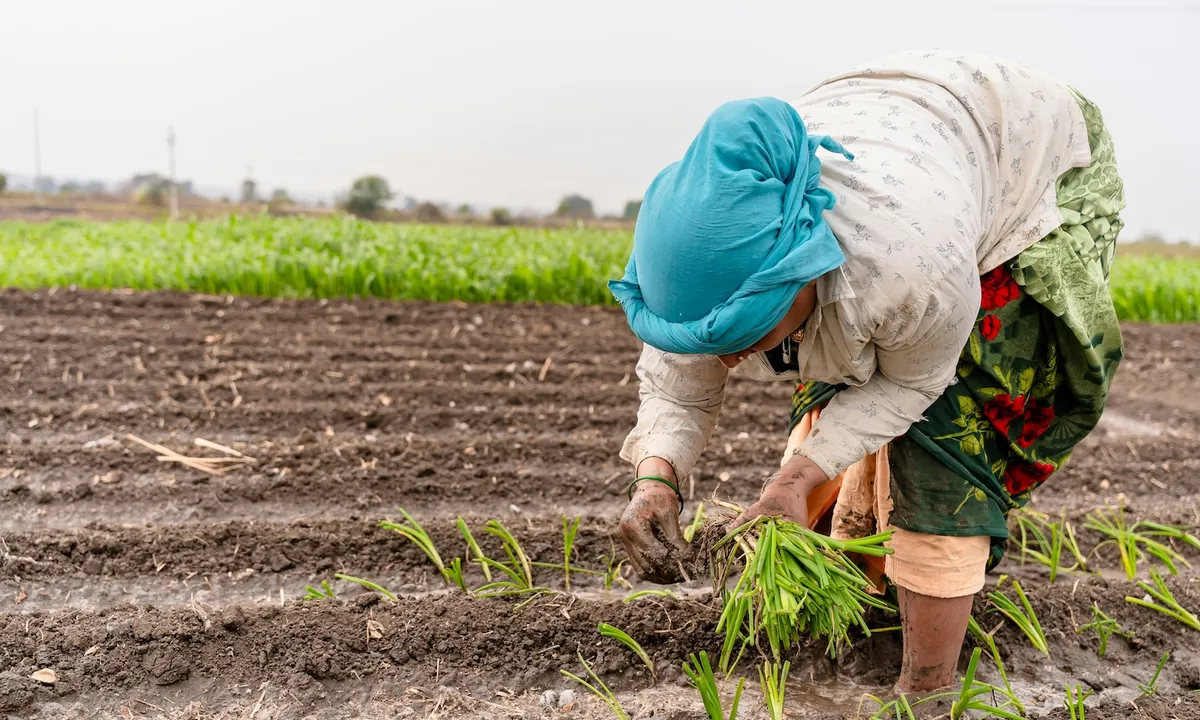
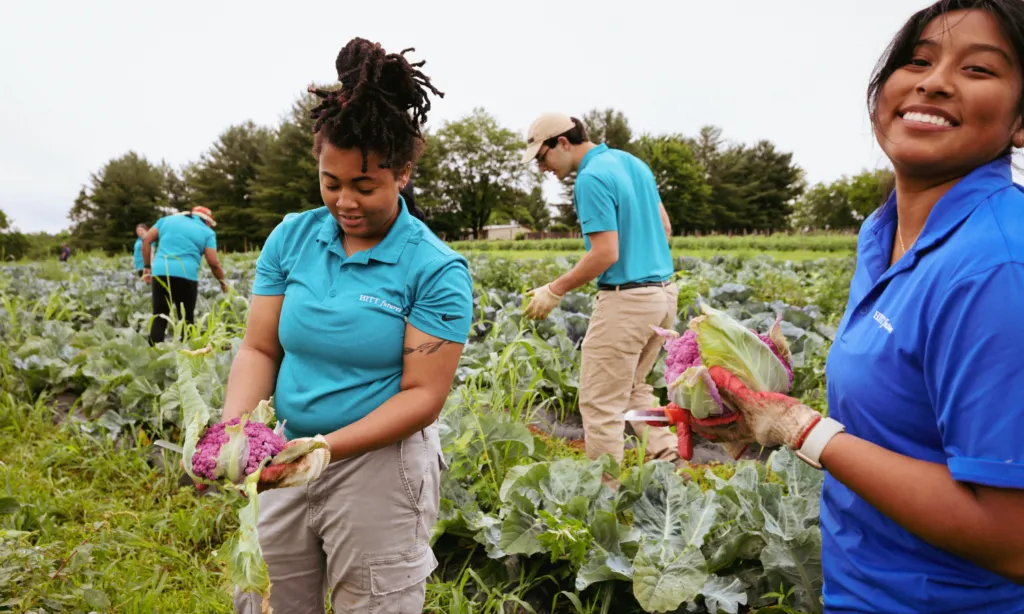
Most food pantries rely on surplus or near-expired donations from grocery stores — produce that's already days or weeks old, less nutritious, and often supplemented by processed shelf-stable items. The JK Community Farm does something different. Volunteers harvest vegetables in the morning. By afternoon, those same vegetables are being distributed through partner organizations like Arlington Food Assistance Center and DC Central Kitchen. "In many cases, food pantry partners are picking up and distributing our food on the same day it is harvested, often straight out of the field," says Samantha Kuhn, the farm's Executive Director.
Since 2018, the farm has distributed close to 772,000 pounds of organic produce to food-insecure Virginians. That's remarkable partly because it's done with just three full-time staff members. The real engine is volunteers — over 17,000 since the farm opened, with roughly 4,500 people volunteering each year through individual shifts, internships, and corporate group projects.
We're a new kind of news feed.
Regular news is designed to drain you. We're a non-profit built to restore you. Every story we publish is scored for impact, progress, and hope.
Start Your News DetoxKuhn and her team work alongside volunteers in the fields, making sure people of all ages and skill levels — from complete beginners to experienced gardeners — feel capable and valued. This approach keeps production costs low while maintaining both quality and output. Because the farm uses no chemical fertilizers or pesticides, the food quality is genuinely uncommon in emergency food settings.
Why This Matters Right Now
Hunger in Virginia has been climbing. Data from Feeding America shows hunger increased by 4.4 percent since 2020. More than 1 million Virginians are now food-insecure — about 12.1 percent of the state's population. Here's the catch: roughly 39 percent of those people earn more than 200 percent of the federal poverty level, which makes them ineligible for SNAP and other nutrition assistance programs. They fall through the cracks.
The farm operates on universal access — anyone who needs food gets it, regardless of income. And it's working. Demand for fresh food keeps growing.
Beyond just filling stomachs, the farm runs a youth education program in partnership with FoodPrints DC. Kids visit from schools across the region, participate in harvests, and learn where real food comes from. Kuhn describes one child who introduced himself as an "indoor kid" when he arrived. By the end of the morning, he was fully immersed in the farm, eager to help and explore.
"Many children are growing up far removed from how food is grown, while highly processed food is heavily marketed to them," Kuhn says. "We believe it is important for kids of all backgrounds to understand where real food comes from, how it is grown, and how it supports their bodies."
The farm also listens. It conducts annual surveys with both pantry partners and the families they serve. That feedback shapes what gets planted — the farm grows culturally appropriate foods families already know how to prepare, while also introducing unfamiliar varieties with education on how to use them. The goal is simple: nutrient-dense food that supports health, respects culture, and can actually be used.
"People should not have to choose between eating healthy food and paying for electricity," Kuhn says. "Showing families that this food is grown intentionally for them, rather than as an afterthought, reinforces dignity, care, and the belief that everyone deserves access to the highest quality food possible."
That distinction — between charity and respect — is quietly radical. The farm is proving that food assistance doesn't have to mean leftover scraps. It can mean fresh vegetables picked that morning, grown by volunteers who believe their neighbors deserve better.