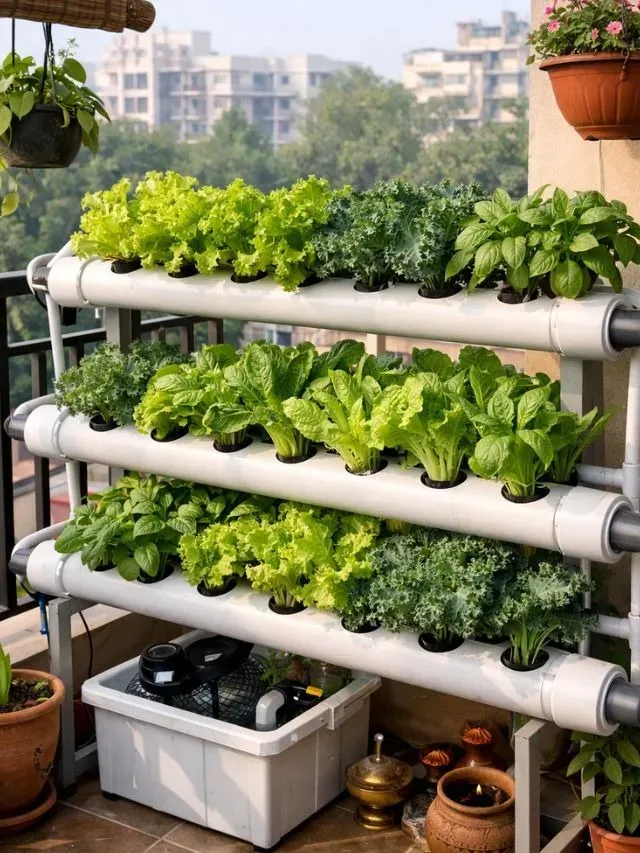
Fresh lettuce from your kitchen counter. Spinach on your balcony in winter. No dirt, no backyard required — just water, nutrients, and a technique that's quietly spreading through apartments from Mumbai to Manila.
Hydroponics sounds technical, but it's fundamentally simple: plants grow in nutrient-rich water instead of soil. The roots absorb exactly what they need, when they need it. No competition with weeds. No waiting for soil to warm up in spring. Leafy greens mature 30–40% faster than in traditional gardens, which matters when you're working with square meters, not acres.
For urban gardeners, this solves a real problem. Cities are crowded. Balconies are small. Most apartment dwellers have never grown anything because the barriers feel too high. Hydroponics flips that. A beginner-friendly system can fit on a shelf. It produces fresh greens year-round. The learning curve is real, but it's not steep.
We're a new kind of news feed.
Regular news is designed to drain you. We're a non-profit built to restore you. Every story we publish is scored for impact, progress, and hope.
Start Your News DetoxWhy This Works for Cities (and Why It Matters)
The speed is part of it. Lettuce that takes 60 days in soil arrives in 40 days in water. More harvests per year means more food from less space. But there's something else happening too: control. When you manage the exact nutrient mix, temperature, and light, you're not gambling on weather or soil quality. Every variable is knowable.
That's why hydroponic systems are spreading fastest in cities with extreme seasons — places where outdoor gardening means months of nothing. In Southeast Asian cities, where humidity and heat create pest pressure, hydroponic systems keep greens clean and protected. In cold climates, they extend the growing season indefinitely. The technology doesn't care about monsoons or frost.
For the person setting up their first system, the practical steps matter. Temperature needs to stay between 18–24°C (leafy greens bolt and turn bitter when it's hot). Light should run 12–14 hours daily — a sunny window works, though LED grow lights give more reliable results. Oxygen matters: stagnant water kills roots, so systems need either flowing water or an air pump. The nutrient solution should maintain a pH between 5.5 and 6.5. These aren't arbitrary rules — they're the conditions that actually work.
Staggering plantings every one to two weeks creates a continuous harvest rather than a glut-then-nothing cycle. Harvesting outer leaves instead of uprooting the plant means a single plant can produce multiple times. These small decisions compound into year-round supply.
What makes this trend significant is scale. Hydroponics isn't new — it's been used commercially for decades. But the cost has dropped enough that home systems are now accessible to ordinary apartment dwellers. LED grow lights that once cost hundreds now cost tens of dollars. Nutrient solutions are standardized and affordable. The barrier has shifted from "Is this possible?" to "Can I fit it in my space?"
There's also a psychological shift happening. Growing food at home, even in a small way, changes how people think about where their vegetables come from. It's not revolutionary. It's just lettuce. But it's lettuce you grew, in conditions you controlled, without pesticides or uncertainty. That matters more than it sounds.
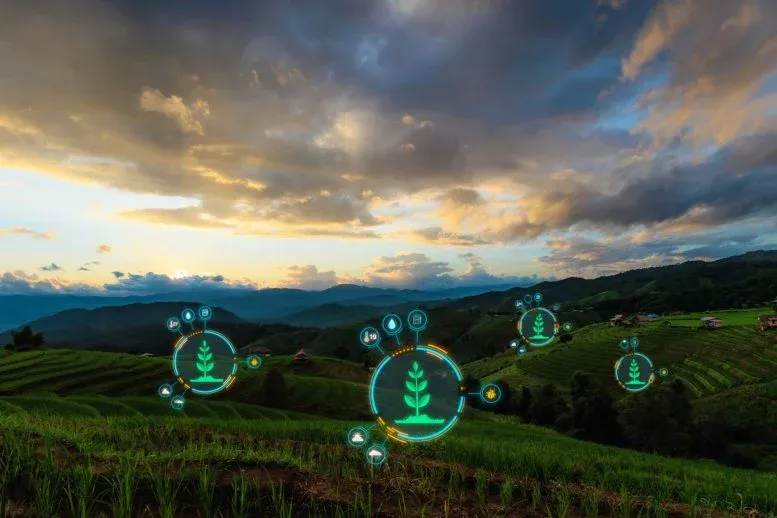
The next wave will likely be integration. Hydroponic systems paired with smart sensors, automated nutrient dosing, app-based monitoring. Some systems are already moving that direction. But the core appeal stays the same: fresh greens, year-round, in the space you actually have.