Food security advocates have long worried that solar farms consume valuable farmland. A new Canadian study flips that concern on its head: panels might actually help crops thrive.
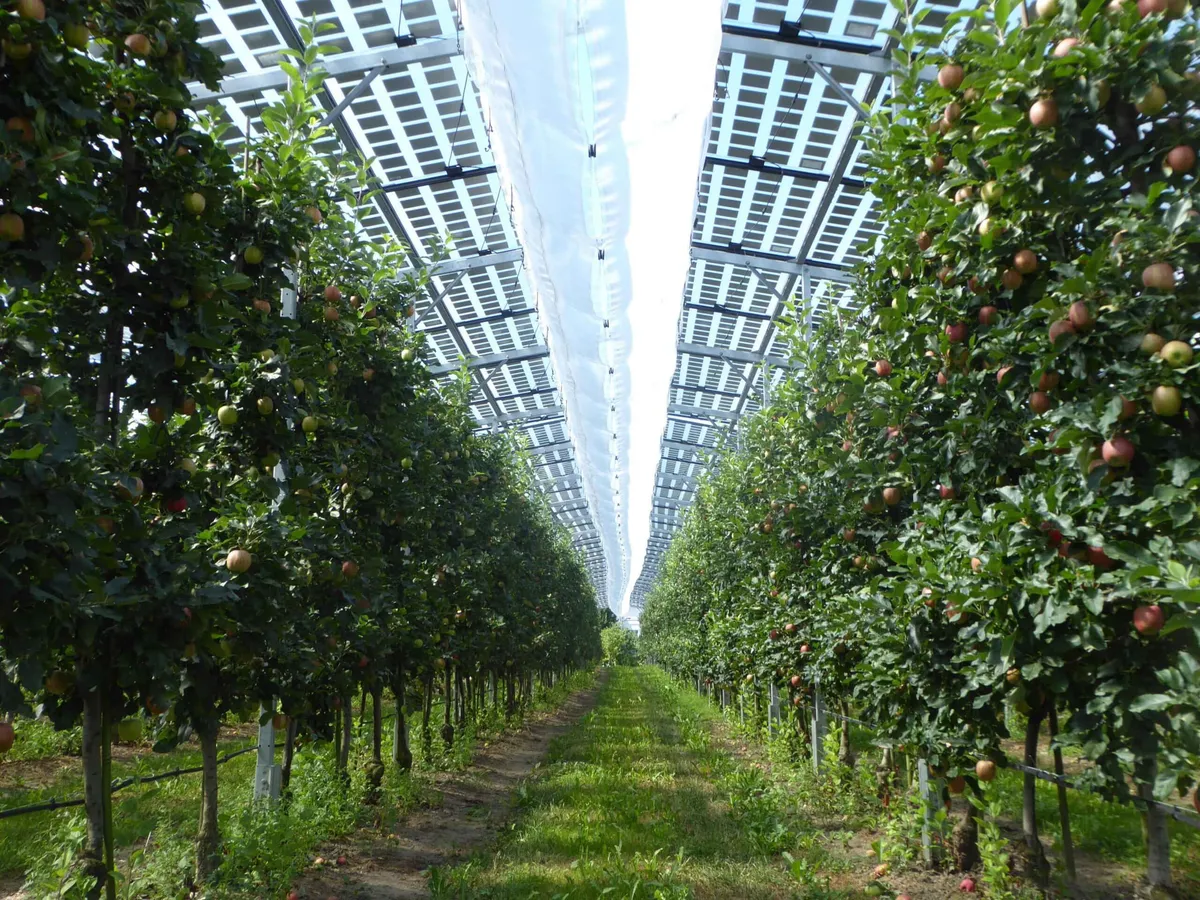
Researchers at Western University, led by Prof Joshua Pearce, found that agrivoltaic systems—where crops grow beneath solar arrays—create a protective microclimate. The shade shields plants from heatwaves, hail, and other weather extremes while improving soil health and nutrient cycling. In other words, the panels work as both energy generators and crop insurance.
What makes this finding particularly striking is that the agricultural benefits don't stop when the panels stop producing power. Pearce's team discovered that decommissioned solar arrays—panels that have reached the end of their energy-producing life—still provide valuable shade. Modelling suggests that even unpowered panels could lift global crop yields by $580 billion (£435 billion) annually through passive agricultural shading alone.
We're a new kind of news feed.
Regular news is designed to drain you. We're a non-profit built to restore you. Every story we publish is scored for impact, progress, and hope.
Start Your News DetoxThe Second Life of Solar Infrastructure
This matters because it reframes how we think about the solar industry's future. Currently, decommissioned panels are typically recycled or removed entirely. But Pearce argues they shouldn't be dismissed as obsolete. "These systems can continue to support soil conservation, reduce crop heat stress and sustain livestock grazing even beyond their energy-producing lifespans," he wrote.
The insight connects to a broader trend in sustainable agriculture: the growing recognition that shade itself is a crop input. Farmers in hotter regions have long known this—intercropping with trees, for instance, has protected yields during droughts for centuries. Solar arrays essentially automate that protection at scale.
Agrivoltaic systems are already being tested across Europe, Asia, and North America. Japan has installed agrivoltaic farms on rice paddies. Germany has seen wheat and barley grown successfully beneath panels. The model works because most crops don't need full sunlight—they need the right amount, filtered at the right times. A 30–50% reduction in direct light often improves yields in hot climates while reducing water stress.
The economic calculation is straightforward: farmers gain shade and soil improvement. Energy companies gain land access and community support (fewer objections to solar farms if they visibly benefit local agriculture). And as climate change intensifies heat stress on crops, that protective microclimate becomes less of a bonus and more of a necessity.
The next phase is scaling these systems beyond research pilots into standard agricultural practice, particularly in regions already facing heat and drought stress.