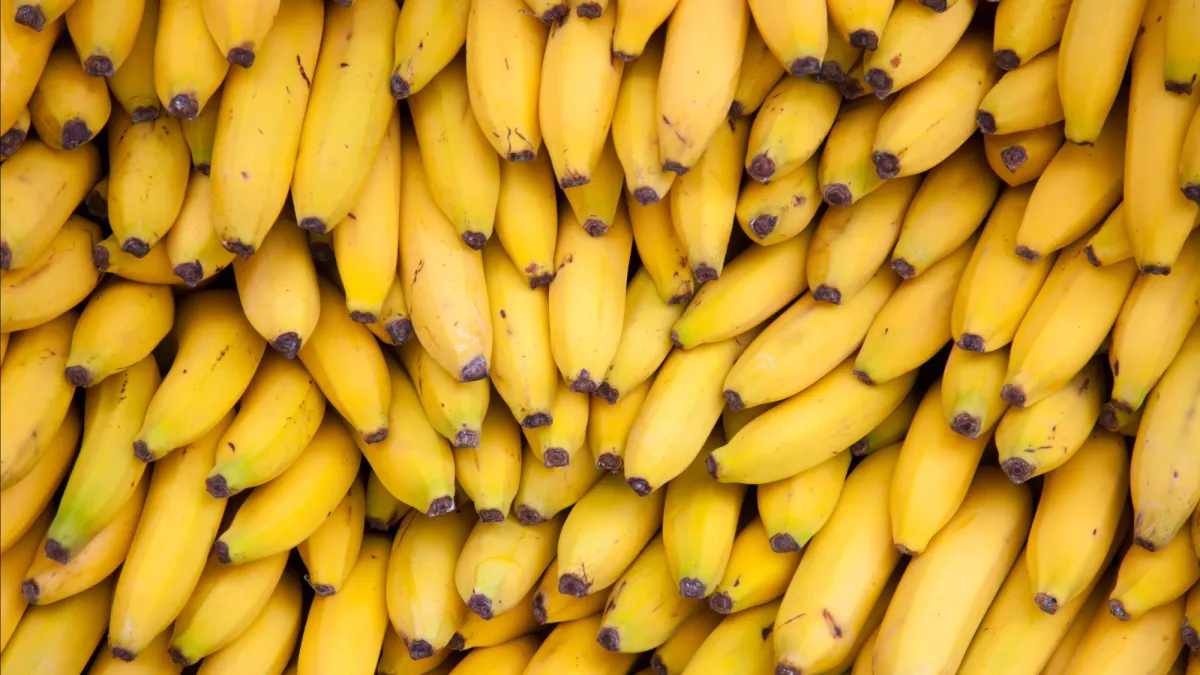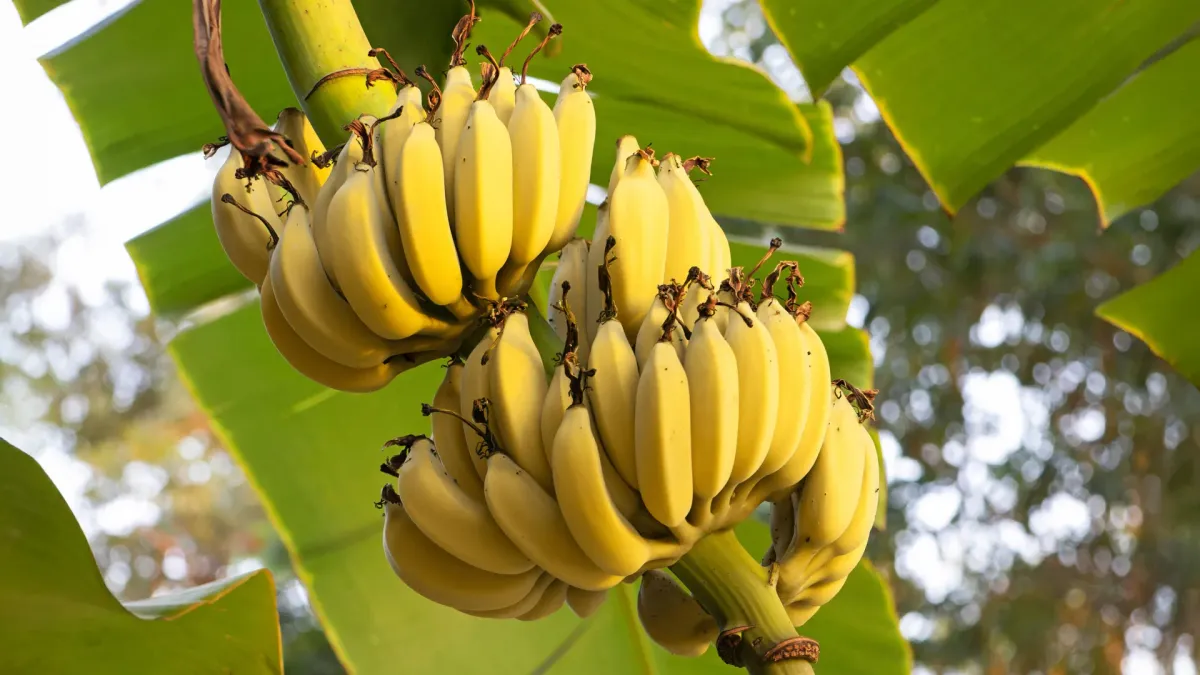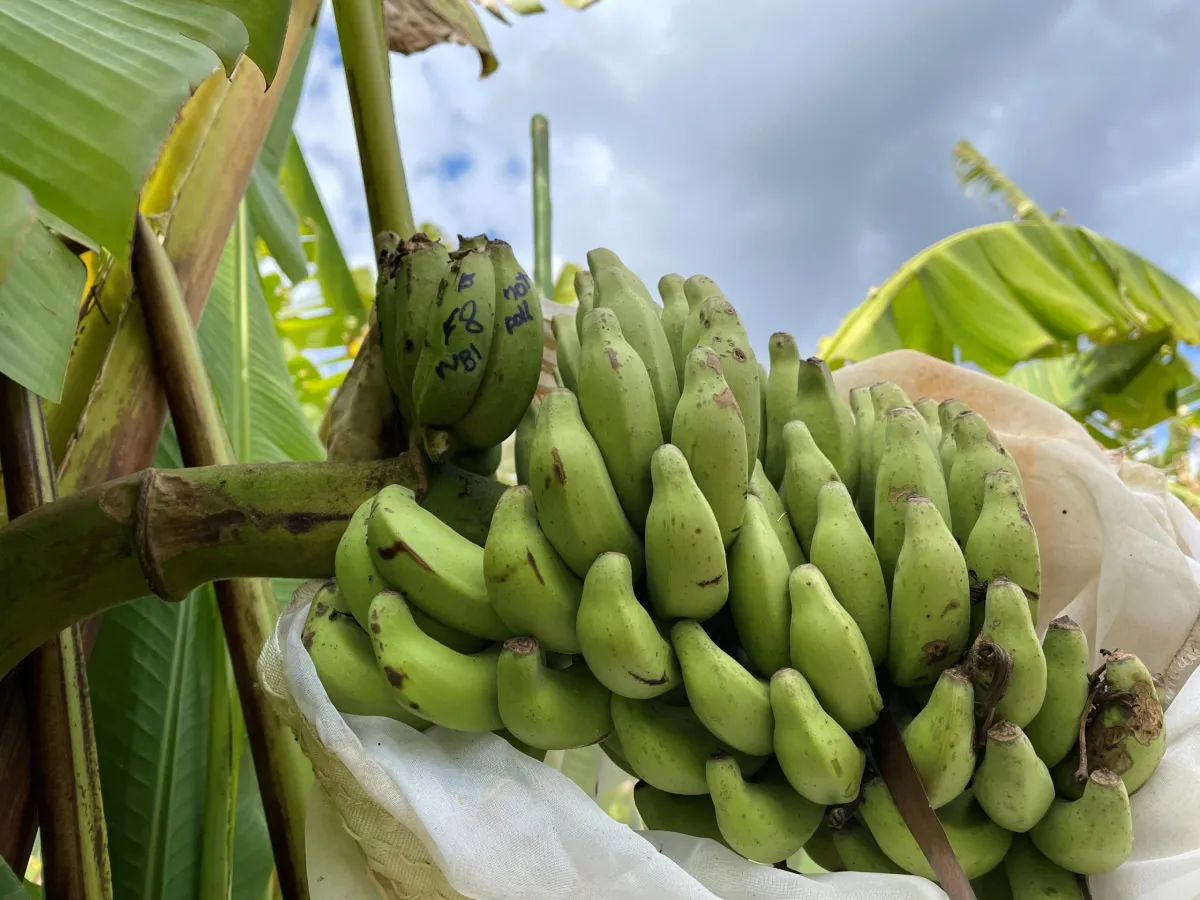
A wild banana variety holds the genetic key to saving the world's most eaten fruit from a fungal plague that's already destroying crops across subtropical regions.
Researchers at the University of Queensland have pinpointed the exact spot on a banana's DNA that resists Fusarium wilt, a soil-borne disease also called Panama disease. The resistance comes from a wild subspecies called Calcutta 4—not the banana you'd want to eat, but genetically, it's a fortress. This discovery, five years in the making, gives breeders a concrete target for developing commercial varieties that can survive the disease.
Why this matters right now
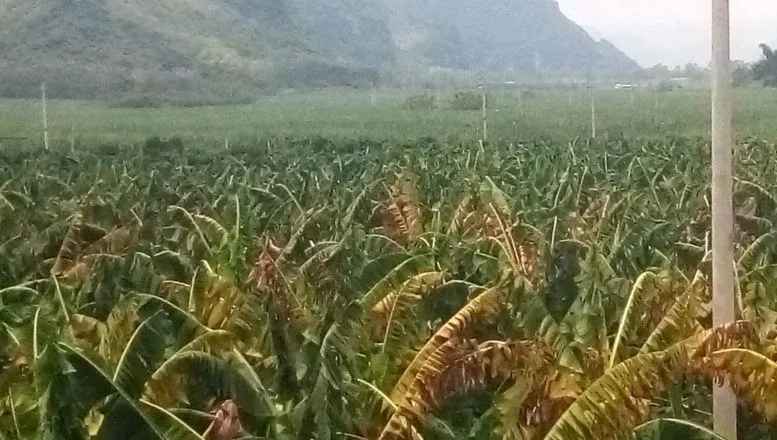
Fusarium wilt, particularly its Subtropical Race 4 strain, spreads through soil and kills banana plants from the inside out. Once the fungus establishes itself in a field, it lingers for years, making that land unusable for future crops. The Cavendish banana—the variety that dominates global markets and sits in your breakfast bowl—has no natural defense. Tropical Race 4, a related strain, has already devastated banana production in Australia and parts of Asia. STR4 is now doing the same in subtropical regions worldwide.
We're a new kind of news feed.
Regular news is designed to drain you. We're a non-profit built to restore you. Every story we publish is scored for impact, progress, and hope.
Start Your News DetoxFor an industry that produces over 120 million metric tons of bananas annually and employs millions of farmers, this isn't an abstract threat. It's an existential one.
The five-year detective work
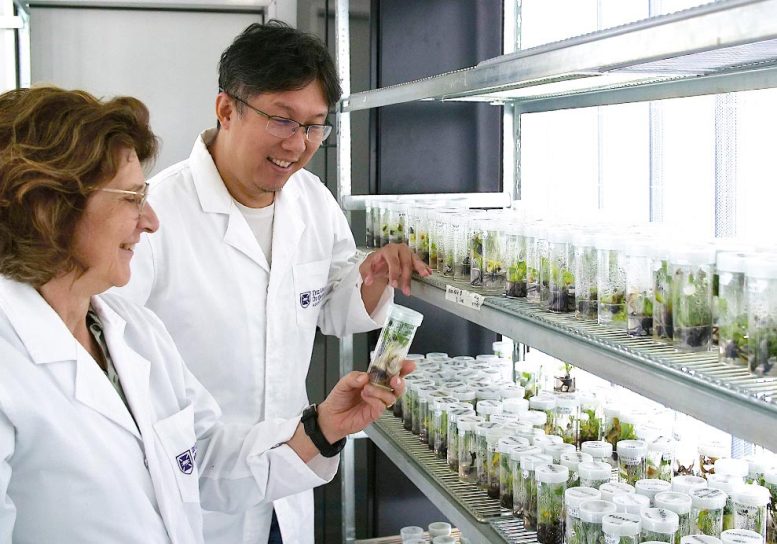
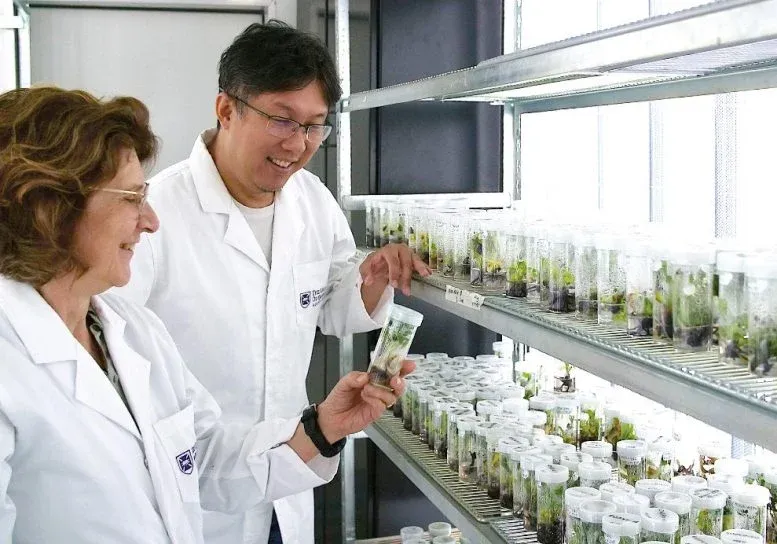
Dr. Andrew Chen and his team at the School of Agriculture and Food Sustainability crossed Calcutta 4 with susceptible bananas, then exposed the offspring to STR4 in controlled conditions. They compared the DNA of plants that survived with those that died, mapping the resistance trait to chromosome 5. The work was painstaking—each generation of banana crosses needed at least 12 months to grow before scientists could test them and continue breeding once they flowered.
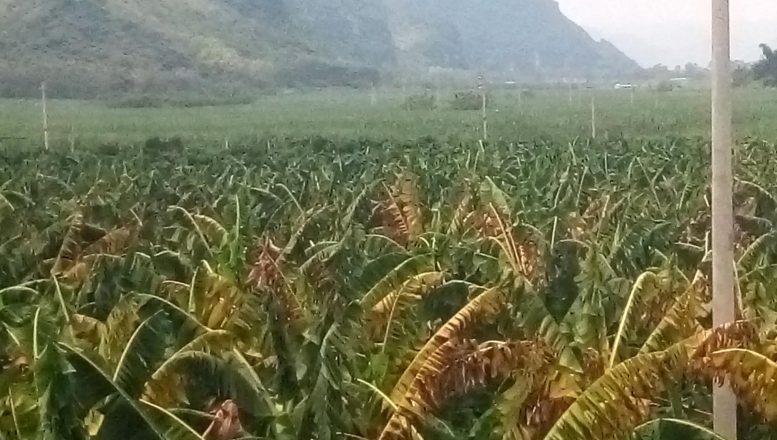
The breakthrough is significant because it's the first time anyone has genetically dissected Race 4 resistance from this wild subspecies. The team used forward genetics, genome sequencing, and bulked segregant analysis—essentially combining old-school breeding observation with modern molecular tools.
From lab to farm
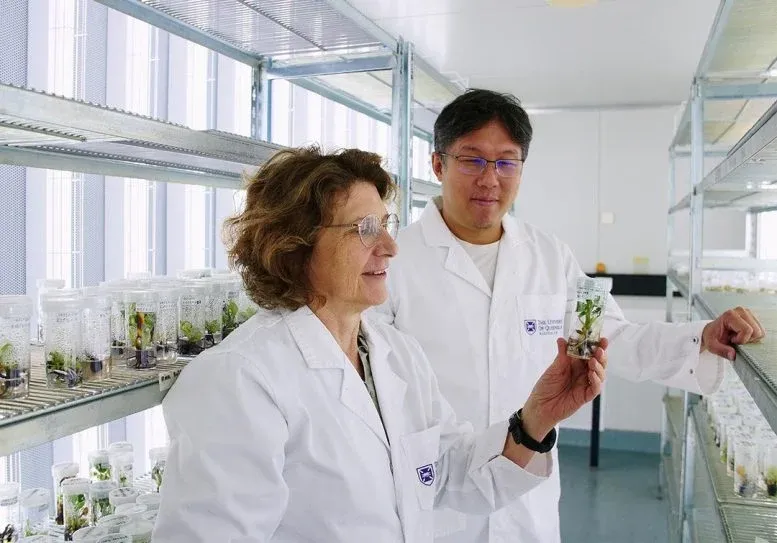
Calcutta 4 itself won't feed anyone; its fruit is inedible. But the resistance gene is now a target. The next phase involves developing molecular markers—genetic signposts that breeders can use to identify resistance early in seedlings, before any disease symptoms appear. This speeds up the selection process dramatically and cuts costs.
The research was funded by Hort Innovation through banana industry levies and the Australian Government, which signals serious institutional backing. That matters because translating a genetic discovery into a commercially viable crop takes time, money, and coordination across the industry.
The goal now is clear: a banana that tastes good, grows reliably, and carries genetic resistance to Fusarium wilt built into its DNA. For the millions of farmers and consumers who depend on this crop, that's not just progress—it's survival.