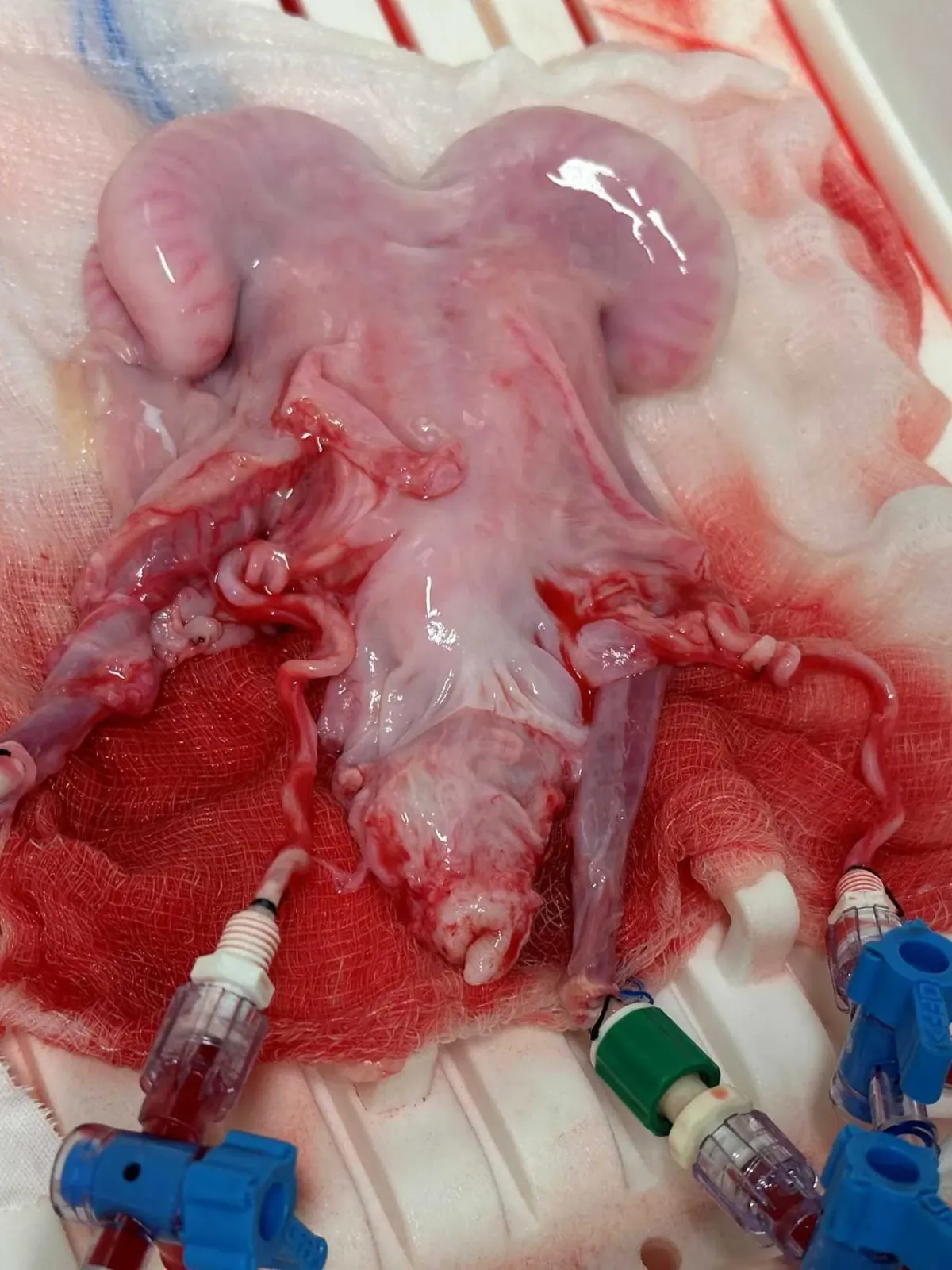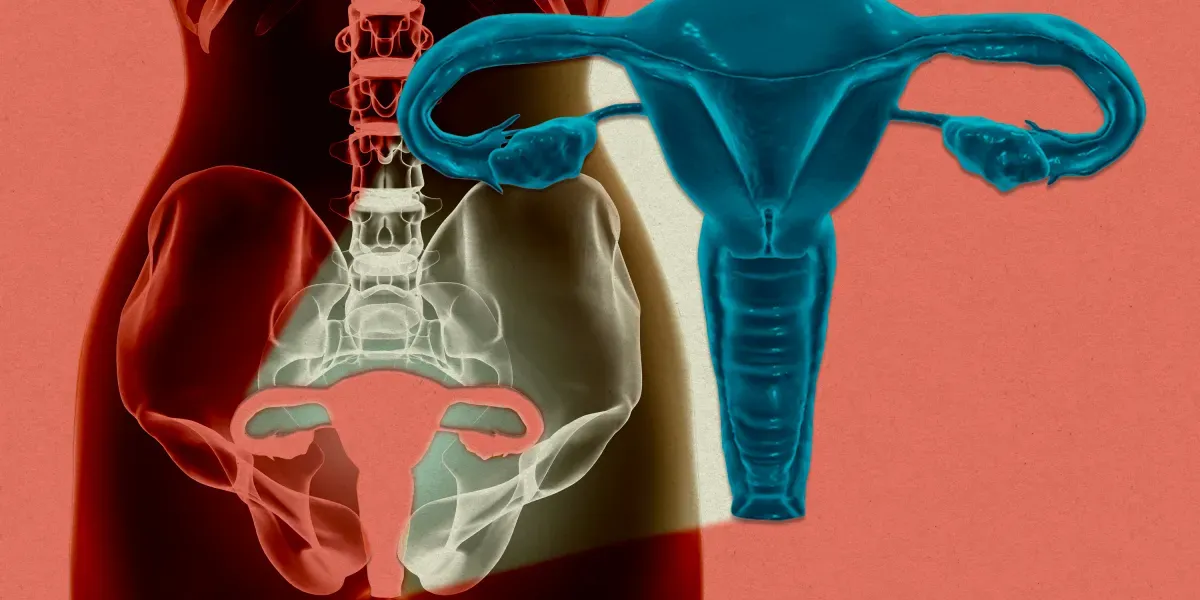
Imagine keeping a human organ alive outside the body, just like it's still in a person. Scientists in Spain just did that with a human uterus, keeping it working for 24 hours. It's a first, and it's pretty wild.
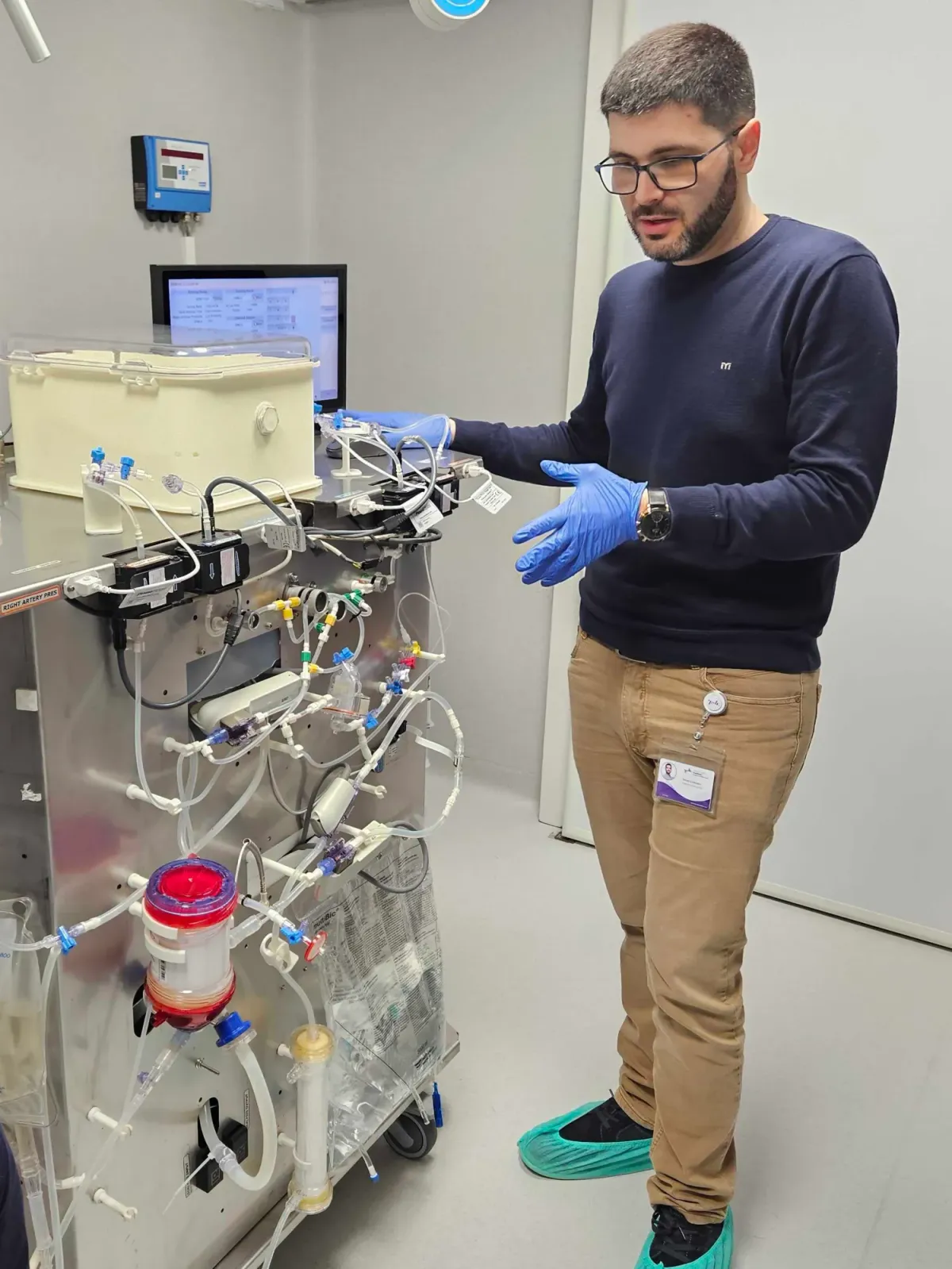
They used a special machine that acts like a body's own blood system. It pumps modified blood through the uterus, making sure it gets everything it needs. The team even calls their machine "Mother."
This isn't just a cool trick. The researchers want to keep uteruses alive even longer — long enough to watch a full menstrual cycle. This could help them understand tricky things like why some people struggle to get pregnant or what causes conditions like endometriosis.
We're a new kind of news feed.
Regular news is designed to drain you. We're a non-profit built to restore you. Every story we publish is scored for impact, progress, and hope.
Start Your News DetoxA Machine Called "Mother"
The machine itself sounds like something out of a sci-fi movie: a metal box on wheels, covered in clear plastic tubes that look like tiny veins and arteries. These tubes connect to containers that act like the machine's own organs.
Javier González, one of the scientists, placed a donated human uterus into a special tub on the machine. They hooked it up, pumped in the blood, and watched it work for a whole day. That might not sound like much, but for an organ outside the body, it's a huge step. Most organs only last a few hours outside the body before they're no longer viable for things like transplants.
The team's big goal is to study how an embryo attaches to the uterus lining. This moment, called implantation, is the very start of a pregnancy. If they can watch it happen in a living uterus outside the body, they might unlock secrets to help more people have babies.
They won't be using actual human embryos for this part, though. Instead, they'll use special embryo-like structures made from stem cells in the lab. This lets them study the process without any ethical concerns.
Beyond that, the team's founder, Carlos Simon, has an even bigger vision: a future where a machine like "Mother" could potentially grow a human fetus completely outside the body. It sounds futuristic, but breakthroughs like this are how those big ideas start to become real.